
Vegetables
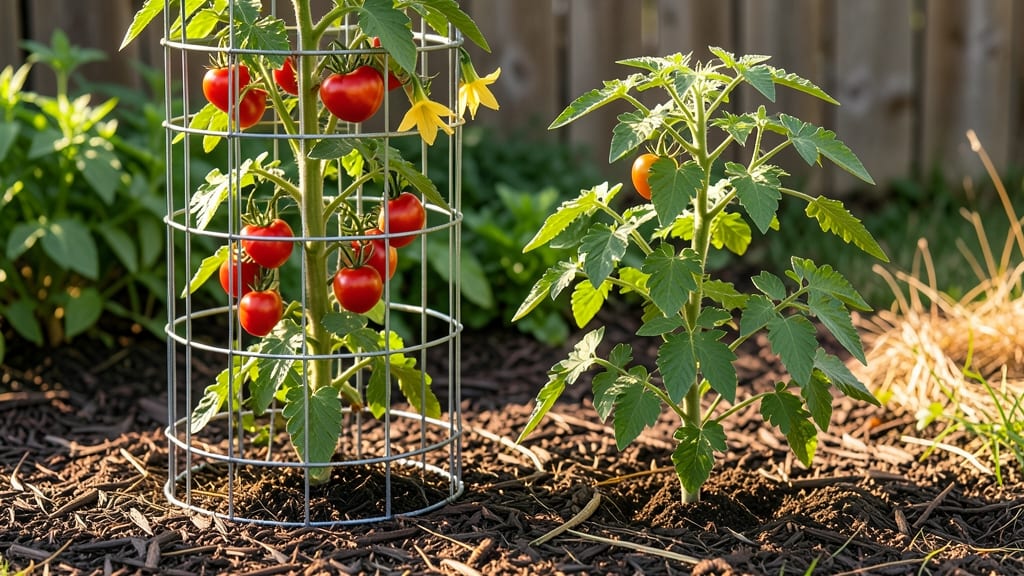
A 5-foot tomato cage is the game-changer for growing tomatoes that reach toward the sky. 🌱 I’ve wrestled with flimsy cages that toppled under 10-pound tomatoes, but this sturdy frame holds even the heaviest vines upright—no more snapped stems or fruit rotting on the ground.
The secret lies in its 5-foot height, which accommodates both indeterminate vines (that keep growing all season) and determinate bushes (that fruit in one flush).
Install it right at planting time—burying the bottom 6 inches into the soil keeps it from tipping, and tying the main stem to the center stake ensures steady growth. For extra security, loop twine around the cage every 10-14 days as the vine thickens.
This isn’t just support; it’s a foolproof system that turns sprawling vines into a neat, harvestable tower.
You’ll notice the difference immediately: cleaner fruit, fewer broken branches, and tomatoes that ripen evenly in the sun. No more wrestling with vines or praying for a breeze to keep them off the soil.
The cage also makes pruning and pest checks 10x easier—just reach in and inspect without bending over.
If your tomatoes still outgrow the cage (yes, some varieties will), add a temporary trellis or stake for the top third. But for 90% of home gardens, this cage does the job—sturdy, simple, and stress-free. Let’s get those vines climbing!
📚 In This Guide
- What you need
- Instructions
- Tips and common mistakes
- Wrapping up and next steps
What you need
- ● 5-foot tomato cage: Look for a heavy-duty, galvanized steel or powder-coated cage (5 ft tall x 2 ft wide, with 16-20 gauge wire for durability).
- ● Tomato plants: 1-2 healthy seedlings or transplants (choose indeterminate varieties for maximum vine growth).
- ● Garden gloves: A pair to protect your hands while handling wire or soil.
- ● Pruning shears or scissors: For trimming suckers or excess foliage.
- ○ Stakes or ties (optional but recommended): 4-6 wooden or bamboo stakes (4-6 ft tall) or
- ● Soft plant ties or Velcro strips (10-15 pieces) for securing vines.
- ● Garden twine: 50-100 ft of biodegradable twine for extra support.
- ● Mulch: Straw, grass clippings, or shredded leaves (2-3 inches thick) to retain moisture.
- ● Cage stabilizers: U-shaped metal stakes or sandbags to weigh down the cage in windy areas.
- ● Drip irrigation kit: For consistent watering without disturbing the cage.
- ● Tomato cage topper: A wire or netting extension to deter pests like birds or squirrels.
- ● Compost or fertilizer: Balanced 10-10-10 or organic options to boost plant health.
Step-by-step guide to installing a 5-Foot tomato cage
Here's how to set up that sturdy cage for strong vines and heavy harvests—no flimsy collapses here.
🪴 Step 1: Choose the Perfect Location for Maximum Stability
Pick a spot with full sun exposure (6-8 hours daily) and well-draining soil. I always check the soil first—soggy roots mean rot, even with a great cage. The cage should stand in a place where it won't get knocked over by wind or foot traffic. If your garden bed is narrow, place the cage against a sturdy fence or trellis for extra support.
Tomatoes are heavy feeders, so amend the soil with 2-3 inches of compost mixed into the top 6 inches of soil. This gives roots room to spread while the cage handles the weight above. I like to work in a handful of balanced fertilizer (10-10-10) at planting time for an early boost.
☀️ Step 2: Assemble and Position the Cage Before Planting
Spread the cage flat on the ground and follow the manufacturer's instructions to connect the wires or stakes—most 5-foot cages snap together easily. Stand it upright in the center of your planting hole, then adjust until it's perfectly vertical. Tap the base gently into the soil to stabilize it before adding the plant.
Here's the thing—don't bury the bottom of the cage. The base should sit 2-3 inches above ground level to prevent rot from soil moisture. If your soil is loose, anchor the cage with 4-6 inch metal stakes pushed into the ground at a 45-degree angle near each corner. This keeps it from leaning as the plant grows.
🌱 Step 3: Plant Your Tomato and Secure It Immediately
Dig a hole wide enough to accommodate the root ball without bending stems. Place your tomato plant in the center, then spread the cage's lower wires or stakes outward to create a gentle funnel shape. This guides the main stem upward while allowing side shoots to grow through the openings.
Gently weave the strongest stem through the center of the cage, securing it with soft plant ties or twist ties at the first set of leaves. Don't tie too tightly—you want room for the stem to thicken as it grows. I like to leave 6-8 inches of slack in the tie so the plant can sway slightly in wind without binding.
🌿 Step 4: Train Vines and Maintain Support Weekly
As your tomato grows, guide the main stem upward through the cage's center, tying it every 12-18 inches to prevent sagging. Remove any suckers (side shoots) growing below the first flower cluster—they'll drain energy from fruit production. You'll see new growth emerge in the leaf axils, but only keep those above the first flower if you want more fruit.
Every 7-10 days, give the cage a quick check. If the plant starts to outgrow the top, secure the main stem to the cage's top wires with a final tie. For extra-heavy varieties like beefsteak tomatoes, I add a second tie at the midpoint to prevent the weight from bending the stem. Water deeply at the base to encourage strong root development that supports both plant and fruit.
✂️ Step 5: Prune and Harvest for Maximum Cage Efficiency
When your tomatoes reach the top of the cage, pinch off the growing tip to redirect energy into fruit production. This is called "topping" and prevents the plant from growing taller than its support. You'll notice new side shoots forming below the pinch—these can be left to grow through the cage's openings for additional fruiting branches.
Harvest fruit as soon as it ripens to prevent the weight from bending the cage or breaking stems. I like to pick in the morning when tomatoes are firmest. After harvest, give the cage a final check—remove any dead leaves or diseased foliage immediately to keep the plant healthy and the structure stable through the season.
Tips & tricks for perfect tomato cage support
These proven strategies will help you maximize your 5-foot tomato cage's potential for a thriving, productive plant.
Soil Preparation Secret: Before planting, I like to create a small mound of soil around the planting hole—about 2-3 inches high. This helps prevent water from pooling at the base of the cage, which can cause rot. The mound also gives the roots better aeration right from the start. Remember, those 2-3 inches of compost should be mixed into the top 6 inches of soil, not just piled on top.
Stability Boost: For windy areas, I recommend adding a third stake—position it diagonally between two existing stakes to create a triangular support system. This prevents the cage from leaning, especially important when your tomatoes start bearing heavy fruit. The 4-6 inch metal stakes should be driven in at a 45-degree angle for maximum stability, not straight down.
Tying Technique: When securing the main stem in Step 3, I use a simple trick: I make a loose loop with the tie, then insert the stem and pull the ends together just enough to hold it without constricting. That 6-8 inches of slack is crucial—it allows the stem to thicken naturally while still keeping the plant upright. Check ties every 7-10 days and adjust as the stem grows thicker.
Pruning Insight: The 12-18 inch spacing between ties isn't arbitrary—it matches the natural growth pattern of tomato plants. When you see new growth emerge in the leaf axils above the first flower cluster, these are your future fruiting branches. Leave them to grow through the cage openings while removing any suckers below the first flower to direct energy to fruit production.
Pro Tips for 5 Ft Tomato Cage
- These proven strategies will help you maximize your 5-foot tomato cage's potential for a thriving, productive plant.
- Soil Preparation Secret: Before planting, I like to create a small mound of soil around the planting hole—about 2-3 i...
- Stability Boost: For windy areas, I recommend adding a third stake—position it diagonally between two existing stakes...
Frequently asked questions
Got questions about maximizing your 5 ft tomato cage? You’re not alone! Here are answers to the most common concerns—from setup to troubleshooting—to help you grow like a pro.
When is the best time to install a 5 ft tomato cage?
Install your cage after your tomato seedlings are planted but before they get too tall (around 6–12 inches). This prevents root disturbance while still supporting early growth. For cold climates, wait until nighttime temps stay above 50°F (10°C) to avoid frost damage.
Can I reuse a 5 ft tomato cage year after year?
With proper care, your cage can last multiple seasons. Clean it thoroughly after harvest to remove debris, store it in a dry place, and check for rust or bent wires. If the cage is still sturdy, it’s ready for next year’s tomatoes—just give it a quick shake to refresh it!
What if my tomatoes outgrow a 5 ft cage?
If your vines or fruit outpace the cage, don’t panic! Add a temporary trellis (like bamboo stakes or a second cage) to redirect growth upward. Prune suckers (shoots between the stem and branches) to focus energy on fruit-bearing branches. For indeterminate varieties, consider upgrading to a taller cage (6–7 ft) next season.
How do I prevent my cage from toppling over under heavy fruit?
Stability is key! Bury the cage’s base 6–8 inches deep or weigh it down with bricks/rocks. For extra support, tie the main stem to the cage with soft plant ties (not wire) every 12 inches. If your cage still leans, add stakes on the windward side for reinforcement.
What’s a good alternative if I don’t have a 5 ft cage?
No cage? No problem! Try these DIY options:
- Bamboo stakes or wooden posts: Tie vines to stakes as they grow (great for small spaces).
- Wire tomato towers: Repurpose chicken wire or fencing into a cone shape.
- Trellis panels: Lean them against a fence or wall for vertical growth.
Wrapping up and next steps
A 5-foot tomato cage is your secret weapon for growing bountiful, healthy tomatoes—whether you're a seasoned gardener or just starting out. 🌱 With its sturdy design and easy setup, it turns sprawling vines into manageable, space-saving powerhouses, ensuring your harvest thrives without the hassle.
Now that you’re armed with the right knowledge, it’s time to roll up your sleeves and get growing!
Your next step? Pick your favorite tomato variety, grab your cage, and watch those vines climb to new heights. Happy gardening! 🌟