
Vegetables
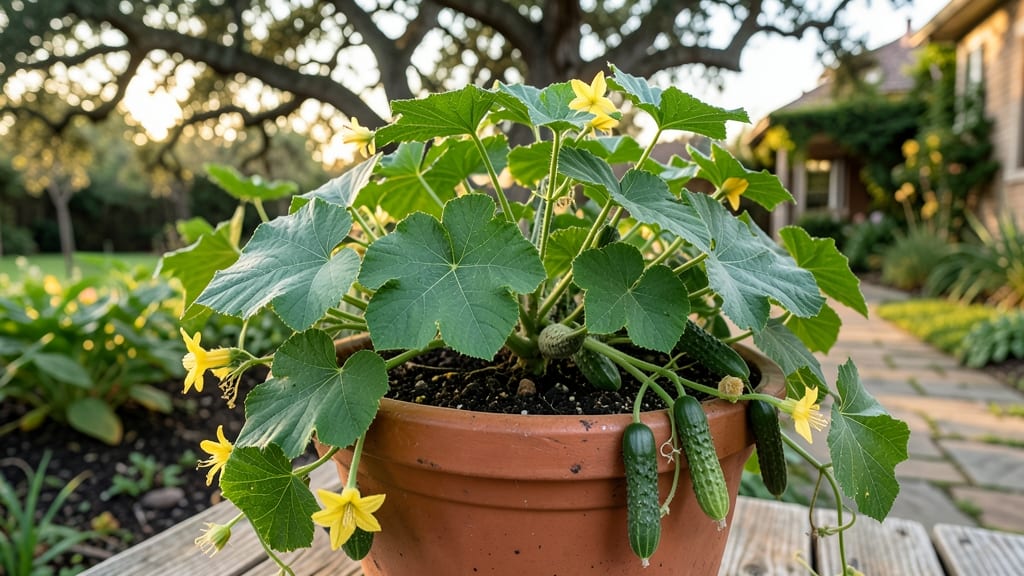
Growing Mexican sour cucumber (Solanum muricatum) means adding a tangy, citrusy twist to your kitchen—no store-bought substitutes needed. 🌱 This unusual plant produces edible fruits with a bright yellow-orange interior that tastes like a mix of cucumber, pineapple, and lime, perfect for salsas and ceviche.
Unlike common cucumbers, it thrives in warmer climates and adds ornamental value with its glossy, purple-tinged leaves. The key to success lies in warm soil and consistent moisture—think of it as a tropical cousin to tomatoes.
Plant in well-draining soil with plenty of compost, and give it 6+ hours of sunlight daily. Water deeply but avoid soggy roots, which can lead to rot. Pruning encourages bushier growth, and you’ll see fruits forming in 80-100 days if conditions are just right.
Once established, this plant rewards patience with abundant harvests that peak in late summer. The fruits ripen unevenly, so check plants every few days for that signature yellow-orange blush. Save seeds from your best produce—this heirloom variety doesn’t breed true from store-bought seeds, so homegrown is the way to go.
Common pitfalls include powdery mildew in humid climates and blossom-end rot from inconsistent watering. But with the right care, you’ll enjoy a harvest that’s as visually striking as it is delicious—ideal for gardeners who love unique flavors and textures.
📚 In This Guide
- What you need
- Instructions
- Tips and common mistakes
- Wrapping up and next steps
What you need
- ● Seeds: Mexican sour cucumber seeds (10–20 seeds per plant, or pre-started seedlings if available). Look for heirloom varieties like ‘Mexican Sour Gherkin’ or ‘Pepino Dulce’.
- ● Containers or Garden Bed: For containers: 5–10 gallon pots with drainage holes (1–2 plants per container).
- ● For in-ground: A sunny spot with well-draining soil (6+ hours of sunlight daily).
- ● Soil: Well-draining, fertile potting mix or garden soil amended with compost (avoid heavy clay). Pro tip: Mix in perlite or sand for extra drainage!
- ● Fertilizer: Balanced organic fertilizer (10-10-10 or similar) at planting.
- ● Low-nitrogen fertilizer (like 5-10-10) during flowering/fruiting.
- ● Support: Trellis, cage, or stakes (3–4 feet tall) to train vines upward.
- ● Watering Supplies: Drip irrigation or watering can (keep soil consistently moist but not soggy).
- ● Pruning Shears: For trimming excess vines or dead leaves.
- ● Harvesting Tools: Sharp knife or scissors (to avoid damaging vines).
- ● Mulch (straw or shredded leaves) to retain moisture and suppress weeds.
- ● Epsom salt (1 tablespoon per gallon of water) for magnesium boost during flowering.
- ● Row covers or netting to protect from pests like cucumber beetles.
- ● pH test kit (ideal soil pH: 6.0–6.8 for optimal growth).
- ● Grow lights (if starting seeds indoors before the last frost).
Step-by-Step instructions for cultivating Mexican sour cucumbers
Here’s how to grow these tangy, acid-rich cucumbers that shine in salsas and ceviche.
🌱 Step 1: Select the Right Variety and Planting Time
Mexican sour cucumbers thrive in warm climates, so choose a heat-tolerant variety like ‘Mexican Sour Gherkin’ or ‘Tepin’. Start seeds indoors 4-6 weeks before your last frost date, or sow directly in the garden after soil reaches 65°F—they won’t tolerate cold. I always wait until nighttime temperatures stay above 55°F, as cooler evenings stunt growth.
These cucumbers grow best in full sun, so pick a south-facing spot or use shade cloth if your summers are scorching. They’re vining plants, so plan for 6-8 feet of trellis space per plant—this keeps fruit off the ground and improves air circulation, which prevents disease. I’ve seen them sprawl into wild tangles if left unchecked, so trellising is non-negotiable.
🪴 Step 2: Prepare Soil and Plant with Proper Spacing
Amend your soil with 2-3 inches of compost and a balanced 10-10-10 fertilizer before planting. Mexican sour cucumbers prefer well-draining soil with a pH between 6.0 and 7.0. If your soil is heavy clay, mix in 1 part perlite to 3 parts soil to improve drainage—waterlogged roots lead to rot.
Plant seeds 1 inch deep and 2-3 feet apart, or transplant seedlings with the same spacing. Thin to the strongest plant per hill if you’ve sown multiple seeds. These cucumbers are prolific, so crowding weakens vines and invites pests. Water deeply after planting to settle the soil and encourage root growth.
💧 Step 3: Water Consistently and Fertilize for Maximum Yield
Keep soil evenly moist but not soggy—1-1.5 inches of water per week is ideal. Water at the base of the plant in the morning to reduce fungal risks. I’ve found that drip irrigation works best, as overhead watering can spread disease. Mulch with 2-3 inches of straw to retain moisture and suppress weeds.
Feed plants with a low-nitrogen, high-phosphorus fertilizer (like 5-10-10) every 3-4 weeks to boost fruiting. Too much nitrogen leads to leafy growth at the expense of cucumbers. You’ll know you’re on track when vines produce small, yellow flowers—these signal fruit will follow in 50-60 days.
✂️ Step 4: Prune and Harvest for Peak Flavor
Prune suckers (the small shoots that grow between the main stem and branches) to direct energy into fruit production. Remove any yellow or diseased leaves immediately to prevent spread. I pinch off the first few flowers if your plant is young—this lets it focus on establishing a strong vine before bearing fruit.
Harvest cucumbers when they’re 1-2 inches long for the classic sour, tangy flavor. Check plants every 2-3 days—overripe cucumbers turn bitter and fall off the vine. Use pruning shears to cut stems cleanly, leaving a small portion attached. This encourages more flowers and fruit to develop. Store harvested cucumbers in the fridge for up to 1 week.
☀️ Step 5: Protect and Extend the Harvest Season
Watch for common pests like cucumber beetles and aphids—handpick or use neem oil if needed. These cucumbers are sensitive to powdery mildew, so ensure good airflow and avoid overhead watering. If your growing season is short, extend it by planting a second crop 6-8 weeks after the first harvest.
As temperatures drop below 50°F, harvest remaining fruit and compost the vines. In warmer climates, you can grow Mexican sour cucumbers year-round with row covers or a greenhouse. The key is consistency—these plants reward patience with a harvest that’s perfect for salsas, pickling, and fresh eating.
Tips & tricks for perfect Mexican sour cucumber cultivation
These insider tips will help you avoid common pitfalls and maximize your harvest of these prized acid-rich cucumbers.
Variety Selection: While 'Mexican Sour Gherkin' and 'Tepin' are excellent choices, don't overlook heirloom varieties like 'Tepin Verde' for even more intense sour flavor. I've found that seed-saved varieties often develop unique regional characteristics—ask local seed savers for recommendations if you're in a warm climate zone. The right variety makes all the difference in achieving that signature tangy profile perfect for salsas.
Soil Preparation Strategy: The 2-3 inches of compost and 10-10-10 fertilizer in Step 2 are non-negotiable, but here's what I do differently: I mix in a handful of crushed eggshells when preparing the planting holes. This subtle addition boosts calcium levels, preventing blossom-end rot which can be devastating to your harvest. The eggshells also help maintain that ideal 6.0-7.0 pH range over time.
Watering Technique: Those 1-1.5 inches of weekly water might seem straightforward, but timing matters more than you'd think. I water my plants at the exact same time every morning—right when the first light hits the leaves. This consistency trains the plants to develop strong root systems that can handle both the heat and occasional dry spells. Mulching with straw as directed helps maintain even moisture, but don't let it touch the stems to prevent rot.
Harvest Timing Secret: The 1-2 inch size window for harvesting is critical, but here's what nobody tells you: The cucumbers are actually ready to pick when they're about 3/4 inch long. At this stage, they're most intensely sour and perfect for ceviche. If you wait until 1-2 inches, you'll get a slightly milder flavor that's better for salsas. Check plants twice daily during peak harvest season—morning and late afternoon—to catch them at their perfect moment.
Pro Tips for Mexican Sour Cucumber
- These insider tips will help you avoid common pitfalls and maximize your harvest of these prized acid-rich cucumbers.
- Variety Selection: While 'Mexican Sour Gherkin' and 'Tepin' are excellent choices, don't overlook heirloom varieties ...
- Soil Preparation Strategy: The 2-3 inches of compost and 10-10-10 fertilizer in Step 2 are non-negotiable, but here's...
Frequently asked questions
Got questions about growing and using Mexican sour cucumbers? Here are some of the most common ones—and their answers!
How long does it take for Mexican sour cucumbers to mature?
These cucumbers are fast growers! From seed, expect harvest-ready fruits in about 50–60 days under ideal conditions (warm soil, full sun, and consistent moisture). If you’re starting with transplants, you’ll shave off 10–15 days. Patience pays off—wait until the skin turns a vibrant yellow-green for peak sourness!
Why aren’t my cucumbers as sour as they should be?
Sourness comes from the fruit’s natural acidity (thanks to compounds like citric acid), but a few factors can dull the flavor:
- Overwatering dilutes acidity—stick to 1–1.5 inches of water per week.
- Harvesting too late: Pick them when firm and small (3–5 inches long) for maximum tang.
- Cool temperatures slow ripening—aim for 70–90°F soil temps.
Can I grow Mexican sour cucumbers in containers?
These vining cucumbers thrive in 5-gallon containers or larger with these tweaks:
- Use a trellis or cage to save space and improve airflow.
- Opt for self-pollinating varieties (like ‘Mexican Sour Gherkin’) to avoid cross-pollination issues.
- Ensure drainage holes and a lightweight potting mix (avoid compacted soil).
What can I substitute if I can’t find Mexican sour cucumbers?
If your local store lacks these gems, try these sour-tangy swaps for salsas or ceviche:
- Persian cucumbers (milder but crisp).
- Lemon cucumbers (similar acidity).
- Small Kirby or hothouse cucumbers (pick when tiny).
- Green tomatoes (for a sour-pickled vibe).
Are Mexican sour cucumbers safe to eat raw?
Yes! They’re crunchy, refreshing, and packed with flavor when eaten raw—perfect for slicing into salads, munching on their own, or chopping into salsas crudas. However, always:
- Wash them thoroughly before eating.
- Avoid if the skin is wrinkled or soft (signs of overripeness).
- Store in the fridge for up to 1 week to preserve crispness.
Wrapping up and next steps
Growing Mexican sour cucumbers is a rewarding adventure that brings tangy, vibrant flavors straight to your kitchen! Whether you’re craving the perfect salsa verde or a zesty ceviche, these acid-infused gems are a game-changer.
With the right soil, sunlight, and care, you’ll harvest a bounty that elevates every dish—¡qué rico!
Ready to dive in? Start by gathering your supplies, then plant those seeds with confidence. Your next step: Mark your calendar for planting season and get those cucumbers growing—your taste buds will thank you! 🌱🍽️