
Vegetables
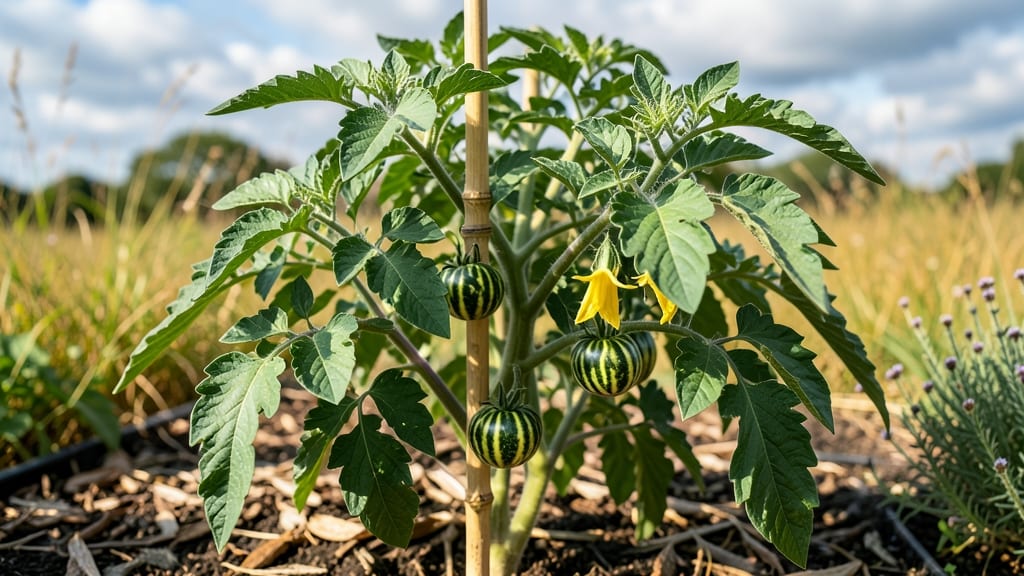
Those mysterious striped green tomatoes aren't just cosmetic—they're a cry for help from your plants. 🌱 The moment I spotted those jagged green streaks on my heirloom tomatoes, I knew it wasn't just a quirky variety trait.
It was a sign of stress, and understanding the cause meant the difference between saving my harvest or watching it decline.
Most often, those stripes signal tomato mosaic virus—a stubborn foe spread by aphids or contaminated tools—but nutrient deficiencies or even uneven watering can mimic the symptoms.
The key is acting fast: remove infected plants immediately, sanitize your tools with rubbing alcohol, and rotate crops next season to break the virus cycle.
You'll notice healthier foliage within 2-3 weeks of intervention, though severely infected plants won't recover. The real win? Preventing spread to your entire garden. Stronger plants resist better, so focus on balanced fertilizer and consistent moisture to keep your tomatoes thriving without stripes.
For organic growers, neem oil sprays deter aphids, while copper-based fungicides can help if secondary infections set in. Always check leaves for yellowing or stunted growth—those are your early warning signs. The goal isn't just saving this year's crop, but building resilience for seasons to come.
📚 In This Guide
- What you need
- Instructions
- Tips and common mistakes
- Wrapping up and next steps
What you need
- ● 6–8 medium striped green tomatoes (firm, unblemished, ~2–3 inches long)
- ● 2 tbsp olive oil (extra virgin, for a fruity touch)
- ● 1 tsp kosher salt (adjust to taste)
- ● ½ tsp black pepper (freshly cracked, for a bold kick)
- ○ 1 tsp smoked paprika (optional, for depth 💡)
- ● ½ tsp garlic powder (or 1 clove, minced for extra flavor)
- ● 1 tbsp fresh lemon juice (brightens the dish ✨)
- ● Sharp chef’s knife (or mandoline for even slices 🔪)
- ● Cutting board (preferably with a non-slip mat)
- ● Mixing bowl (medium-sized, for tossing)
- ● Baking sheet (rimmed, lined with parchment paper)
- ● Tongs (for flipping, if pan-frying)
- ● Oven or stovetop skillet (for roasting or sautéing)
- ● Paper towels (to blot excess moisture)
- ● 1 tbsp honey or maple syrup (balances acidity)
- ● ½ tsp cayenne pepper (for heat lovers 🔥)
- ● Fresh herbs (thyme, basil, or parsley for garnish)
- ● Balsamic glaze (drizzled post-cooking for elegance)
Step-by-step guide to growing striped green tomatoes
Here’s how to cultivate these striking heirloom tomatoes with crisp, sweet flesh—perfect for fresh eating.
🌱 Step 1: Start Seeds Indoors for Early Growth
Begin seeds 6-8 weeks before your last frost date in sterile seed-starting mix (never garden soil). Plant two seeds per cell in 2-3 inch deep biodegradable pots—this prevents root disturbance later. Press seeds ¼ inch deep (about the width of a dime) and cover lightly with mix. Keep soil consistently moist but not soggy, as overwatering causes damping-off.
Place pots in a warm spot (75-85°F)—a seedling heat mat speeds germination to 7-10 days. Once sprouts emerge, remove the heat source and move to a bright, sunny window (south-facing) or under grow lights. Leggy seedlings mean insufficient light—adjust immediately to prevent weak stems.
☀️ Step 2: Transplant After True Leaves Form
Wait until seedlings have 2-3 sets of true leaves (not just the first cotyledons) before transplanting. Harden off plants by placing them outside in partial shade for 1-2 hours daily, gradually increasing exposure over 7-10 days. This toughens stems and prevents transplant shock.
Choose a full-sun location with 6+ hours of direct light and well-draining soil. Bury seedlings deeper than the pot—up to the first set of true leaves—to encourage strong root development. Space plants 24-36 inches apart (striped varieties need room for sprawling vines). Water deeply at the base to settle soil around roots.
💧 Step 3: Water and Fertilize for Crisp Texture
Striped green tomatoes thrive with consistent moisture—water 1-2 inches per week, more in extreme heat. Let the top inch of soil dry between waterings to prevent blossom-end rot. Use a drip irrigation system or water at the base to avoid wetting foliage (fungus risk).
Feed plants every 2-3 weeks with a balanced organic fertilizer (10-10-10) once flowers appear. Over-fertilizing leads to excessive leaf growth at the expense of fruit. Prune suckers (side shoots) to direct energy to fruit production. Harvest when tomatoes reach 2-3 inches in diameter for peak crispness.
✂️ Step 4: Harvest and Store for Maximum Freshness
Pick tomatoes when they’re firm and fully striped—they won’t ripen further off the vine. Use pruning shears to avoid damaging stems. Store in a cool, dark place (55-65°F) for up to 2 weeks or refrigerate for longer shelf life. For best flavor, eat within 3-5 days of harvest.
Save seeds from the best-tasting tomatoes by scooping out the gel, fermenting in a jar for 3-5 days, then rinsing and drying. Plant next season for identical striped beauties. These tomatoes hold their shape when cooked—ideal for slicing, salads, or roasting.
Tips & tricks for perfect striped green tomatoes
A few key tricks will help you grow these crisp, vibrant tomatoes like a pro—without the common pitfalls that turn gardeners away.
Seed Starting Secret: The 6-8 week indoor head start is non-negotiable for striped varieties, but here's what I learned the hard way: use a small heat mat (75-85°F) only until germination completes. Once those first true leaves appear, move seedlings to bright light immediately—even a sunny windowsill works. I once left mine under just the heat mat for too long, and they grew into weak, leggy stalks that never recovered. Trust me, the light adjustment at this stage makes all the difference.
Transplanting Technique: When burying seedlings deeper than their pots (up to the first true leaves), don't worry about burying stems—this actually encourages stronger root systems. The key is to water deeply right after transplanting to settle soil around those buried stems. I recommend using a drip irrigation system for the first 7-10 days of hardening off, as it delivers consistent moisture without wetting leaves (which invites fungal diseases). The 24-36 inch spacing might seem generous, but striped varieties sprawl—this prevents crowded plants that compete for nutrients.
Fertilizer Timing: Those 2-3 week feeding intervals are critical, but here's the pro move: only start fertilizing once you see flowers appear. Before that, your plants are focusing on foliage growth. I used to fertilize too early and ended up with lush green plants but no tomatoes. Also, prune those suckers (the little shoots in the leaf axils) regularly—they sap energy that could go toward fruit development. The 2-3 inch diameter harvest size might seem small, but that's when these tomatoes hit peak crispness.
Storage Wisdom: The 55-65°F storage range is perfect for maintaining crispness, but here's what nobody tells you: these tomatoes actually improve in flavor for the first 3-5 days after harvest. That's why I always harvest a few days before I plan to eat them—this gives them time to develop their signature sweetness. If you must refrigerate, take them out 30 minutes before serving so they don't get mealy. And that seed-saving method? It's worth the effort—those fermented seeds will produce identical striped beauties next season.
Pro Tips for Striped Green Tomatoes
- A few key tricks will help you grow these crisp, vibrant tomatoes like a pro—without the common pitfalls that turn ga...
- Seed Starting Secret: The 6-8 week indoor head start is non-negotiable for striped varieties, but here's what I learn...
- Transplanting Technique: When burying seedlings deeper than their pots (up to the first true leaves), don't worry abo...
Frequently asked questions
Got questions about striped green tomatoes?
You’re not alone! Here are answers to the most common queries to help you master these crisp, flavorful gems.
What makes striped green tomatoes different from regular green tomatoes?
Striped green tomatoes are a heirloom variety (like 'Green Zebra' or 'Striped German') with bold, yellow-green stripes and a sweeter, tangier flavor than standard green tomatoes. They’re also firmer and less mealy when cooked, making them perfect for crisp-tender recipes like this one!
How long do striped green tomatoes take to grow?
Most striped varieties mature in 70–85 days from transplant. Start seeds indoors 6–8 weeks before the last frost for a head start. If you’re in a short season, opt for fast-maturing types like 'Green Zebra' (75 days). Pro tip: Use black plastic mulch to speed up ripening!
Can I substitute regular green tomatoes if I don’t have striped ones?
Yes! While striped varieties add visual flair and extra sweetness, regular green tomatoes work in a pinch. For best results, choose firm, unblemished ones and slice them thinner to ensure crispness. If using very large tomatoes, reduce cooking time by 1–2 minutes.
How do I store striped green tomatoes to keep them fresh?
Store them stem-side down in a paper bag (not plastic) in the fridge for up to 2 weeks. For longer storage, harvest before full ripeness and keep at room temp (they’ll ripen slowly). Freezing tip: Blanch for 2 minutes first to preserve texture!
Why did my fried striped green tomatoes turn soggy?
Soggy results usually mean overcrowding the pan or undercooked tomatoes. Fix it by:- Frying in small batches (don’t overfill the pan).
- Cooking until golden and crisp (2–3 minutes per side).
- Using hot oil (350–375°F) and draining on a wire rack (not paper towels).
Wrapping up and next steps
From their vibrant stripes to their crisp-tender texture, striped green tomatoes are a garden treasure waiting to be savored! Whether you’re roasting, pickling, or tossing them in salads, these little gems bring bold flavor and a pop of color to every dish. 🌱
Ready to elevate your meals? Grab a few tomatoes from your garden or local market and try this recipe today—your taste buds (and dinner guests!) will thank you. Happy cooking! 🍽️