
Vegetables
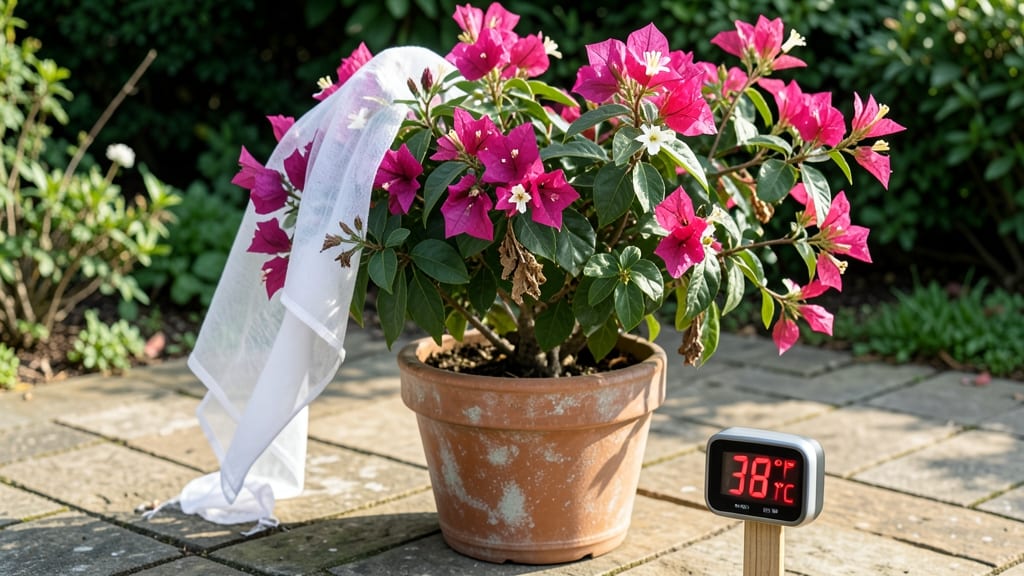
The bougainvillea's lowest temperature survival threshold is 28°F—that's the hard truth. 🌿 I learned this the hard way when my prized plant turned to crispy sticks after a late-season freeze, but there's hope for gardeners in cooler zones.
With the right strategies, you can grow these vibrant beauties even in USDA zones 9-11, where winter temperatures dip dangerously low.
The key is understanding your local cold snaps. Most bougainvilleas thrive in 50-80°F ranges, but even a single night below 32°F can cause irreversible damage. If you're in zones 8 or colder, treat bougainvillea as an annual or use containers to move them indoors during winter.
Pruning back dead growth in early spring gives your plant a fresh start every season.
With proper protection, you'll see those signature papery bracts return by summer, bursting with colors that outshine any other tropical plant. The secret lies in mulching heavily around the base, wrapping plants in frost cloth, and avoiding overhead watering before cold snaps.
Even in marginal zones, these techniques can extend your bougainvillea's life by years.
For container growers, bringing plants indoors before temperatures drop below 40°F is the safest bet. Place them near a sunny window or under grow lights until spring. The trade-off? You'll sacrifice some winter dormancy, but your plant will bounce back stronger than ever when warm weather returns.
📚 In This Guide
- What you need
- Instructions
- Tips and common mistakes
- Wrapping up and next steps
What you need
- ● Bougainvillea plant – Healthy, mature plant (preferably in a 10-15 gallon pot for easier mobility).
- ● Well-draining potting mix – A blend of cactus/succulent soil (50%), perlite (30%), and coarse sand (20%) to prevent root rot.
- ○ Larger container (optional for repotting) – If relocating, choose a pot 2-3 inches wider than the current one with drainage holes.
- ● Pruning shears or sharp scissors – Sterilized to avoid disease; bypass pruners work best for clean cuts.
- ● Garden gloves – Protects hands from thorns and sap.
- ● Frost cloth or burlap – Lightweight, breathable fabric (at least 3-4 feet wide) to shield plants from light frost.
- ● Stakes or small trellis – Bamboo or metal stakes (18-24 inches tall) to support heavy frost covers.
- ● Watering can with a fine rose nozzle – For gentle, deep watering without disturbing roots.
- ○ Thermometer (optional but helpful) – A soil or air thermometer to monitor temperatures accurately.
- ● Indoor grow lights – LED full-spectrum bulbs (12-15 watts per square foot) if moving plants inside.
- ● Mulch (straw or pine needles) – 2-3 inches thick around the base to insulate outdoor plants.
- ● Plant food (balanced fertilizer) – Diluted 10-10-10 or fish emulsion to boost resilience post-winter.
- ● Humidity tray or pebble tray – Helps maintain moisture if indoors.
- ● Heat mat (for indoor pots) – Low-wattage (50-100W) to keep roots warm in chilly spaces.
How to protect bougainvillea through freezing temperatures
Here’s how I’ve kept my bougainvillea thriving year after year in zones that dip below 25°F—no fancy equipment required.
☀️ Step 1: Choose the Right Variety for Your Zone
Not all bougainvillea tolerate cold equally. If you’re in USDA Zone 8 or colder, opt for cold-hardy varieties like Bougainvillea spectabilis or B. glabra—they can handle brief dips to 20°F with proper care. Avoid tropical hybrids unless you’re willing to treat them as annuals.
I always check the label or research the specific cultivar before buying. Some nurseries even label plants as "cold-resistant," which saves me from trial-and-error losses. If you’re unsure, ask for a variety that’s been tested in your specific microclimate—some urban areas stay slightly warmer than rural spots.
🌿 Step 2: Prepare the Plant for Winter Dormancy
Start prepping your bougainvillea 6 weeks before the first frost. Reduce watering gradually to half the summer amount—this forces the plant into dormancy. Stop fertilizing entirely, as new growth won’t survive cold snaps. Prune back one-third of the plant, cutting just above a leaf node to encourage bushier regrowth in spring.
Here’s the thing—bougainvillea’s vibrant bracts (the colorful parts we love) won’t return until new growth emerges in spring. Don’t worry if the plant looks bare by winter; it’s just conserving energy. I always snap a photo of the last blooms as a reminder of what’s coming back.
🪴 Step 3: Insulate the Roots and Protect the Canopy
Mound 8-12 inches of mulch (straw, pine needles, or shredded leaves) around the base of the plant, extending 12 inches outward from the trunk. This insulates roots, which are more vulnerable to freezing than the above-ground stems. For container-grown bougainvillea, move pots to a sheltered spot like a garage or against a south-facing wall.
Wrap the above-ground stems loosely with burlap or frost cloth—this traps heat without suffocating the plant. Secure it with twine, leaving the top open to allow some airflow. If you’re in Zone 7 or colder, add a clear plastic dome (like a large cloche) over the plant during the coldest nights. This creates a microclimate that can raise temperatures by 10°F or more.
⏰ Step 4: Monitor and Adjust During Freezes
When temperatures drop below 28°F, take action immediately. Water the roots lightly if the soil is dry—moist (but not soggy) soil holds heat better than dry soil. Avoid watering if a hard freeze is forecast, as wet foliage can freeze and damage the plant.
Check your bougainvillea every morning during cold snaps. If stems appear blackened or mushy, prune them back to healthy green tissue in spring. I’ve seen plants survive 20°F with just roots and a few buds—don’t give up hope if it looks dead in winter. The real test comes in late winter, when new shoots emerge.
🌱 Step 5: Revive and Rejuvenate in Early Spring
Once daytime temperatures consistently stay above 50°F, remove all winter wrappings and mulch. Prune back any dead or damaged stems with clean, sharp shears, cutting just above a leaf node. This encourages fresh growth and keeps the plant compact. Apply a balanced fertilizer (10-10-10) lightly to stimulate new foliage.
Watch for new green shoots—this is your signal that the plant is recovering. Bougainvillea grows surprisingly fast once it breaks dormancy, so be ready to provide full sun and regular watering (about 1 inch per week). I’ve seen plants rebound from near-total winter kill to full blooms by summer—patience is key.
Tips & tricks for protecting bougainvillea in cold climates
These practical strategies will help you push your bougainvillea's cold tolerance to its limits without losing that vibrant summer color.
Variety Matters: The 20°F threshold mentioned in Step 1 is only achievable with cold-hardy varieties like Bougainvillea spectabilis. Tropical hybrids might survive brief dips to 25°F but will suffer damage below that. I’ve seen nurseries carry labeled "cold-resistant" plants—these are your best bet. For Zone 7 and colder, consider microclimate testing: place your plant near a south-facing wall where it gets reflected heat during the day.
Mulch Depth and Placement: That 8-12 inch mulch layer in Step 3 needs to be strategic. Spread it in a volcano shape, higher at the base and tapering outward. This creates an insulating dome that traps heat near the roots. For container plants, use a thick layer of mulch inside the pot too—roots in containers freeze faster than in-ground plants. I’ve used pine straw because it’s lightweight yet insulating, but avoid heavy mulches that can compact and reduce airflow.
Plastic Dome Hack: The 10°F temperature boost from a clear plastic dome (Step 3) works wonders, but there’s a trick: prop it up slightly so it doesn’t touch the plant. This prevents condensation from sitting on the leaves, which can cause rot. Use PVC pipes or bent wire to create supports. I’ve also seen gardeners use large plastic storage bins with lids during extreme cold snaps—just make sure to vent them slightly during the day.
Spring Revival Timing: Waiting for consistently above 50°F (Step 5) is crucial, but don’t rush to remove winter protection. Bougainvillea’s new growth can still be damaged by nighttime dips. I’ve found that waiting until daytime highs reach 60°F consistently gives the plant a better head start. Also, remove mulch gradually—peel back a section each week to let the soil warm up slowly and prevent shock.
Pro Tips for Bougainvillea Lowest Temperature
- These practical strategies will help you push your bougainvillea's cold tolerance to its limits without losing that v...
- Variety Matters: The 20°F threshold mentioned in Step 1 is only achievable with cold-hardy varieties like Bougainvill...
- Mulch Depth and Placement: That 8-12 inch mulch layer in Step 3 needs to be strategic. Spread it in a volcano shape, ...
Frequently asked questions
Got questions about keeping your bougainvillea thriving in cooler climates? Here are some common concerns—and their answers—to help you navigate the chilly challenges with confidence!
What’s the lowest temperature bougainvillea can survive in winter?
Bougainvillea typically tolerates temperatures down to 28–30°F (-2 to -1°C) for short periods. However, prolonged exposure below 32°F (0°C) can cause leaf drop, and frost (32°F/0°C or lower) will likely kill the plant. Varieties like ‘San Diego Red’ are slightly hardier but still need protection.
Can bougainvillea survive winter outdoors in Zone 9 or colder?
In Zone 9 (20–30°F/-6 to -1°C), bougainvillea can survive outdoors with mulch, windbreaks, and microclimate protection (like near walls). In colder zones (8 or below), it’s best to dig up and overwinter indoors or use frost blankets. Prune back dead growth in spring to encourage new growth.
How do I protect bougainvillea from frost without killing it?
Use these low-cost tricks:
- Cover it: Drape frost cloth or a blanket over the plant (secure with stakes to avoid touching leaves).
- Water roots: Deep-water before frost to insulate roots (but avoid soggy soil).
- Group plants: Cluster bougainvillea with other plants to trap heat.
- Avoid pruning: Wait until spring to trim—dormant stems can regrow from old wood.
Can I grow bougainvillea as a perennial in cold climates?
Yes! With year-round care, bougainvillea can return annually in marginal zones:
- Winter prep: Mulch heavily (3–4 inches) and wrap containers in bubble wrap.
- Indoor overwintering: Dig up potted plants and place in a bright, cool (50–60°F/10–15°C) spot with minimal water.
- Spring revival: Repot and fertilize lightly when temps rise above 50°F/10°C.
What do I do if my bougainvillea turns black or mushy after cold weather?
Blackened or mushy stems mean frost damage or rot. Act fast:
- Prune dead wood: Cut back to healthy green tissue (use sterilized shears).
- Check roots: If roots are soft or smelly, repot in fresh soil to prevent fungal issues.
- Wait and watch: New shoots may emerge from the base—keep soil moist but not soggy.
- Avoid fertilizing until you see new growth (usually 4–6 weeks).
Wrapping up and next steps
Understanding your bougainvillea’s lowest temperature tolerance is key to keeping this vibrant plant thriving—even in cooler climates! 🌡️ With the right care, like mulching, choosing cold-hardy varieties, and protecting young plants, you can enjoy its stunning blooms year after year. Don’t let chilly weather stop you—start preparing your bougainvillea for winter now!
Ready to take action? Pick a variety suited for your zone and begin prepping your garden or containers for the colder months. Your bougainvillea will thank you with a burst of color come spring! 🌸