
Vegetables
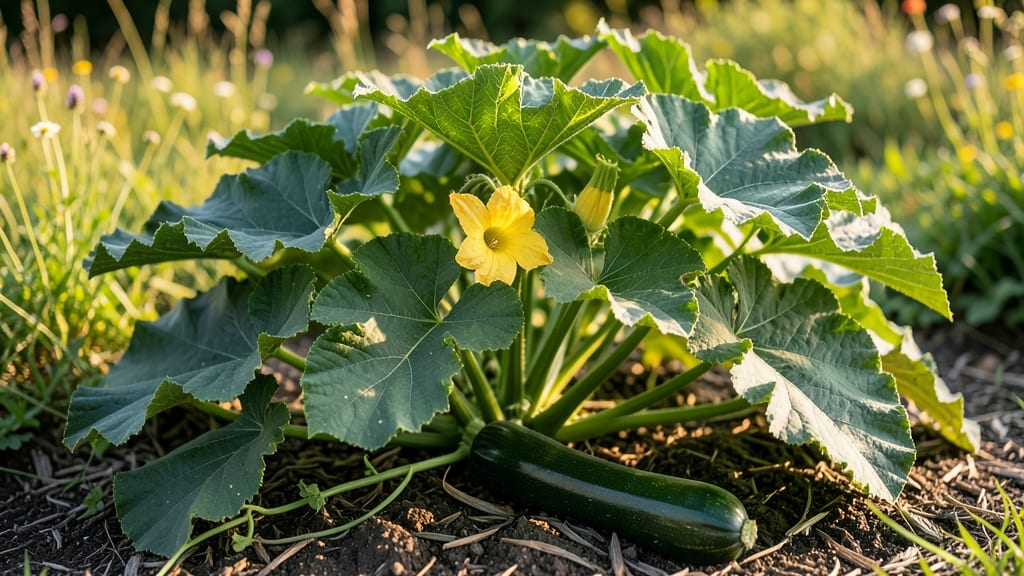
Growing big green zucchini that keep coming back year after year is easier than you think—just plant once and watch them multiply. 🌱 I learned the hard way that the secret isn’t fancy fertilizers or constant attention, but getting the soil, sunlight, and spacing right from the start.
These plants are tougher than they look, and with a few simple tricks, you’ll end up with bushels of zucchini that dwarf what you’d find at the store.
The key to those monster zucchini starts with rich, well-draining soil mixed with compost and a handful of 10-10-10 fertilizer at planting time. They need full sun (6+ hours daily) and plenty of space—at least 3 feet between plants—so they don’t compete for nutrients.
Once established, they’re drought-tolerant but produce better with 1-2 inches of water per week, especially during fruit development. Mulch helps keep moisture in and weeds out.
What really makes them grow big? Pruning the first few flowers lets the plant focus energy on stronger vines, and companion planting with nasturtiums or marigolds deters pests naturally. Harvest when zucchini are 6-8 inches long—the bigger you let them get, the fewer flowers you’ll have next season.
I’ve grown 20-pound zucchini this way, and the plants keep coming back stronger each year.
This method works best in zones 3-10, though in colder climates, you’ll need to protect them with row covers in early spring. The real magic happens in year two, when established plants produce twice as much with almost no effort.
Once you try it, you’ll never buy zucchini again—just be ready to share (or freeze) the harvest!
📚 In This Guide
- What you need
- Instructions
- Tips and common mistakes
- Wrapping up and next steps
What you need
- ● Zucchini plants: 3–5 perennial zucchini (Cucurbita pepo) tubers (like ‘Tromboncino’ or ‘Mangold’). Buy from trusted nurseries or online seed sellers.
- ● Well-draining soil: Mix 50% garden soil + 30% compost + 20% perlite/sand (or use pre-made potting mix for containers).
- ○ Containers (optional but helpful): 1–2 large pots (12"+ deep, 18"+ wide) with drainage holes or a raised bed (4’x8’ minimum).
- ● Fertilizer: Balanced organic fertilizer (10-10-10) or compost tea. Apply every 4–6 weeks during growing season.
- ● Watering can or hose: With a gentle spray nozzle to avoid disturbing tubers.
- ● Mulch: Straw or shredded leaves (2–3 inches) to retain moisture and suppress weeds.
- ● Pruning shears: For trimming overgrown vines (sterilize with rubbing alcohol).
- ● Garden gloves: To protect hands from thorns (yes, some varieties have them!).
- ● Trellis or stakes: For vertical growth (zucchini vines can reach 10+ feet!).
- ● Row covers: Lightweight fabric to protect young plants from pests or frost.
- ● Epsom salt: 1 tbsp/month in water for magnesium boost (great for big leaves!).
- ● Pest control: Neem oil or insecticidal soap for aphids/squash bugs.
- ● Garden journal: To track growth, harvest dates, and soil notes for next year!
How to grow big, productive perennial zucchini plants
Here's my foolproof method for growing zucchini that comes back bigger every year with minimal effort.
🌱 Step 1: Select and Prepare the Planting Site
Zucchini thrives in full sun—choose a location that gets at least 6-8 hours of direct sunlight daily. I always pick a spot where previous crops weren't in the squash family (like tomatoes or peppers) to prevent soil-borne diseases. Amend the soil with 2-3 inches of compost mixed into the top 12 inches—this improves drainage and feeds those hungry roots.
Dig a hole slightly larger than the root ball if transplanting, or create a 12-inch deep trench if planting seeds. The key is loose, fertile soil that warms up quickly in spring. You'll know you've done it right when the soil crumbles easily between your fingers and smells rich from the compost.
🌱 Step 2: Plant Seeds or Transplants at the Right Time
Wait until the soil temperature reaches at least 60°F—I test this by burying a thermometer 2 inches deep for a few days. Plant seeds 1 inch deep and 2-3 feet apart in rows spaced 4-5 feet apart. If using transplants, set them at the same depth they grew in their container to avoid shocking the roots.
Here's the thing—zucchini grows fast, so I always plant 2-3 extra seeds per hill. This gives me insurance against poor germination or pests. Once seedlings reach 3-4 inches tall, thin them to the strongest plant, leaving the others for compost. You'll know which to keep by their thick stems and vibrant leaves.
☀️ Step 3: Water Deeply and Mulch for Consistent Growth
Water deeply once a week—about 1 inch total—rather than light daily watering. This encourages deep root growth and prevents blossom-end rot. I always water in the early morning so the foliage dries quickly, reducing fungal diseases. You'll see healthy plants with glossy leaves and sturdy vines.
Apply 2-3 inches of straw mulch around the base, keeping it 3-4 inches away from the stem. This conserves moisture, suppresses weeds, and keeps soil temperatures stable. Replenish mulch as it breaks down throughout the season—it's the secret to zero-fuss zucchini that keeps producing.
✂️ Step 4: Prune and Support for Maximum Yield
Remove any suckers that form in the leaf axils—they drain energy from fruit production. I also prune lower leaves that touch the soil to improve airflow and reduce disease risk. If your plants get leggy, pinch back the tips to encourage bushier growth with more female flowers (the ones that turn into zucchini).
For tall varieties, add stakes or cages when plants reach 12 inches to support heavy fruit. I use 5-foot bamboo stakes driven 6 inches deep and loosely tie the main stem with soft twine. This prevents broken stems when those 1-2 pound zucchini start hanging heavy.
🌿 Step 5: Harvest and Extend the Season
Harvest when zucchini reach 6-8 inches long—any longer and they get tough and seedy. I check plants every 2-3 days in peak season because they grow so fast. Use a sharp knife or pruners to cut the fruit cleanly, leaving a small stem attached. This encourages more flowers to set.
To extend the season, apply a 2-inch layer of mulch in late summer and water consistently. Some varieties even survive mild winters in zones 8-10 if protected with row covers. I always save the largest, healthiest zucchini to replant next year—they'll come back even bigger with proper care.
Tips & tricks for growing big, productive perennial zucchini
These game-changing tricks will help your zucchini plants thrive year after year with minimal fuss.
Soil Temperature Check: That 60°F soil temperature is non-negotiable for germination. I use a simple soil thermometer buried 2 inches deep for 3-4 days before planting—this gives you the most accurate reading. If your soil runs cooler, consider using black plastic mulch a week before planting to warm it up naturally. The difference between a thriving plant and a struggling one often comes down to this single factor.
Seedling Selection Strategy: When thinning seedlings to the strongest plant in Step 2, don't just grab the tallest one. Look for the seedling with the thickest stem and darkest green leaves—these are your winners. The others can go to compost or be transplanted to another area if you have space. This simple selection process gives you a head start on vigorous growth.
Mulch Mastery: The 2-3 inches of straw mulch in Step 3 serves multiple purposes beyond moisture retention. It also creates a microclimate that keeps soil temperatures stable, preventing those temperature swings that stress plants. I like to refresh my mulch every 4-6 weeks throughout the growing season—it breaks down faster than you'd think!
Harvesting Hack: Those 6-8 inch zucchini grow at lightning speed, so I set a reminder to check plants every 2-3 days during peak season. Use a sharp knife to harvest—this prevents tearing the plant—and always leave the small stem attached. This little detail encourages more flowers to set, meaning more zucchini for you. Plus, it keeps your plants looking tidy and healthy.
Pro Tips for Big Green Zucchini
- These game-changing tricks will help your zucchini plants thrive year after year with minimal fuss.
- Soil Temperature Check: That 60°F soil temperature is non-negotiable for germination. I use a simple soil thermometer...
- Seedling Selection Strategy: When thinning seedlings to the strongest plant in Step 2, don't just grab the tallest on...
Frequently asked questions
Got questions about growing and managing big green zucchini? You’re not alone! Here are some of the most common queries—plus quick, no-nonsense answers to keep your harvest thriving.
How do I know when my zucchini is ready to harvest?
Pick zucchini when they’re 6–8 inches long and still firm to the touch. If you wait too long, they’ll turn woody or bitter. Pro tip: Check for shiny skin and a smooth, glossy texture—those are signs of peak freshness! Harvesting regularly encourages more production.
Why did my zucchini plant stop producing fruit?
Overproduction, pests, or lack of pollination can slow things down. Try these fixes:
- Hand-pollinate by gently shaking the plant or using a paintbrush to transfer pollen.
- Prune excess leaves to redirect energy to fruit growth.
- Check watering—too much or too little can stress the plant.
Can I grow zucchini in containers? What size pot do I need?
Zucchini thrive in 5-gallon pots or larger (at least 12–18 inches deep). Use a well-draining mix and place the container in full sun. Just be ready to harvest more frequently—container-grown zucchini can outperform garden beds!
What’s the best way to store harvested zucchini?
Store zucchini in the crisper drawer of your fridge (unwashed, in a paper towel-lined container) for up to 5–7 days. For longer storage, pickle or freeze them—blanching first preserves texture and flavor. Avoid the counter; they’ll spoil quickly!
Are there any companion plants that help zucchini grow better?
Yes! Plant zucchini near:
- Marigolds (repel pests like squash bugs).
- Nasturtiums (deter aphids and attract pollinators).
- Avoid planting near potatoes or pumpkins—they compete for nutrients.
Wrapping up and next steps
Growing big, vibrant zucchini is easier than you think—especially with perennials that reward you with bigger harvests each year! 🌱 Whether you’re a seasoned gardener or just starting, these zero-fuss plants prove that patience and a little care pay off in delicious, homegrown bounty.
Now that you’re armed with tips, troubleshooting advice, and all the essentials, it’s time to roll up your sleeves and plant!
Take the next step: mark your calendar for the best planting window in your zone, prep your soil, and watch those giant green zucchini take over (in the best way). Happy gardening—your future meals will thank you! 🍆✨