Why I started Vegetable Patch
I was twenty-four, crouched in a rented backyard in Portland, my fingers black with dirt and my knees aching, when I realized I’d overwatered my basil for the third time that week.
The leaves were curling, the stems rotting at the base, and the plant looked like it had given up. That’s when I understood: gardening isn’t just about planting seeds—it’s about learning the language of silence. The soil doesn’t scream when it’s too wet.
The tomato vine doesn’t complain when you forget to prune. You have to watch, listen, and adjust, or you end up with a sad little patch of nothing.
This site exists because I wanted to share that lesson without the frustration. No one taught me how to read the signs—a wilted leaf here, a stubborn weed there—or how to turn a mistake into a better garden next time.
So *Vegetable Patch* is for anyone who’s ever stared at a seedling and wondered if they’re doing it wrong. Whether you’re trying to coax life from a windowsill herb or wrestle a zucchini plant into submission, you’ll find the practical, no-nonsense advice you won’t get from a magazine spread.
No fluff, no perfectionism—just the dirt under the nails and the satisfaction of something that grew because you understood it.
Meet the founder

My grandmother used to say gardening was like raising children: you can’t rush it, and you sure as hell can’t ignore it.
She taught me that lesson the summer I was ten, when she handed me a trowel and a packet of marigold seeds. ‘Watch the soil,’ she said. ‘If it’s dry, they’ll beg for water. If it’s soggy, they’ll drown.’ I planted them too deep.
By the time I realized, the seeds had rotted. She didn’t scold me.
Instead, she pointed to the one seedling that had pushed through anyway and said, ‘That’s the one that matters.’ That’s the philosophy behind *Vegetable Patch*: focus on the plant that’s still fighting to grow, not the one that didn’t make it.
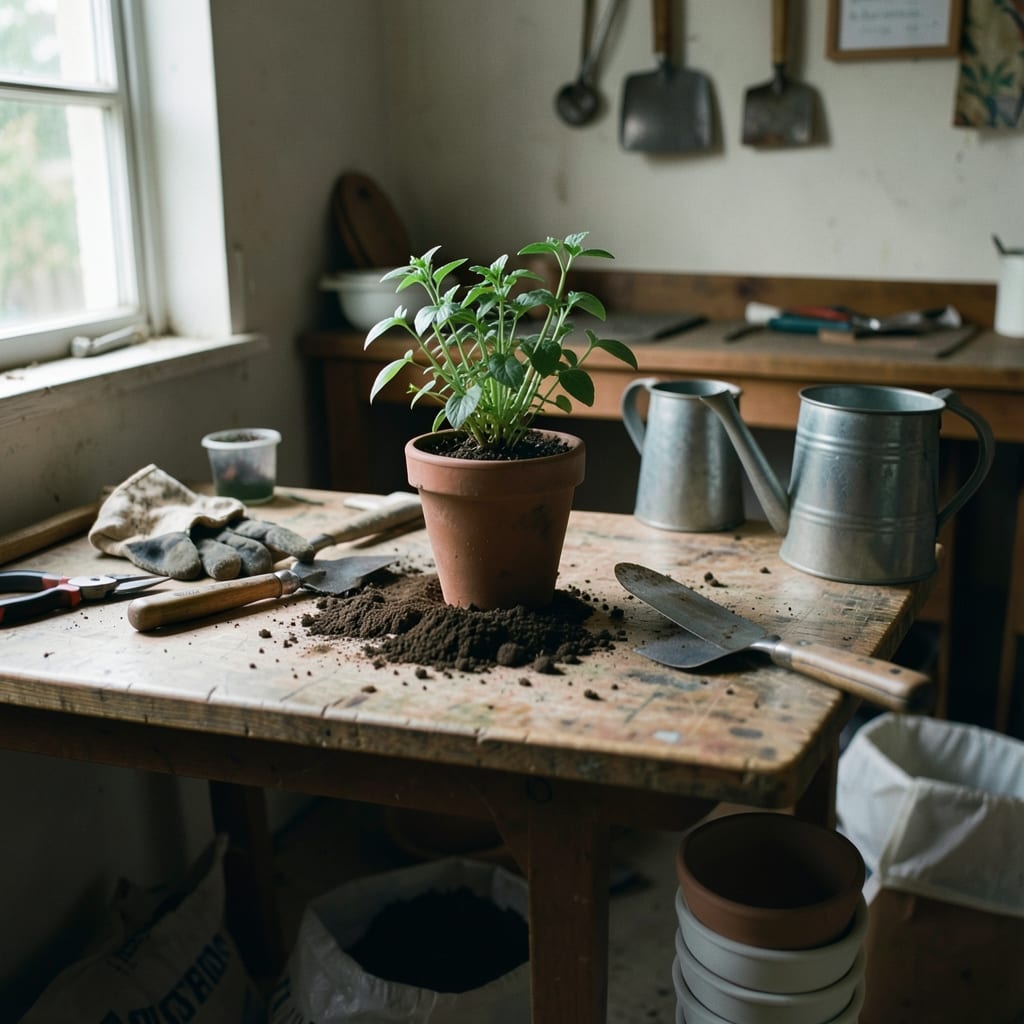
I still have the chipped clay pot from that first garden—a relic from a yard sale, its glaze worn thin where my little hands gripped it too tight. It’s cracked now, and the drainage holes are jagged, but it sits on my windowsill because it’s where my basil lives.
Every time I pinch off a yellow leaf, I remember my grandmother’s voice: *‘You’re not fixing the plant. You’re teaching it.’* That pot’s imperfections are why it works. And that’s why this site doesn’t pretend gardening is neat or predictable.
The failure that changed everything happened in college, when I tried to grow tomatoes in a 5-gallon bucket. I fertilized like it was a competition, watered on a schedule, and still ended up with a sad, leggy plant that produced three blighted fruits.
I took it to the campus farm advisor, expecting pity. Instead, she handed me a soil test kit and said, ‘Your pH is off. Your drainage is nonexistent. And you’re overwatering.’ That day, I learned that gardening isn’t about effort—it’s about paying attention.
Now, every ‘recipe’ here starts with a soil test, not a seed packet.
I have a habit of talking to my plants. Not the dramatic, whispering-to-leaves kind of thing—just a running commentary. *‘Today’s the day, right? No, you’re not getting water yet.’* It’s ridiculous, but it works. The tomatoes respond faster when I’m muttering at them. The basil grows straighter.
And if a weed pops up, I name it after someone who’s ignored me that week. It’s my way of keeping the process human. Gardening isn’t just science; it’s a conversation.
And if you’re the kind of person who laughs at themselves while pulling weeds, you’re already in the right place.
Meet the mascot

The mascot started as a scribble on a napkin at a diner in Eugene, where I was waiting for a rain delay during a cross-country road trip. I’d just spent two hours arguing with a stubborn cucumber plant that refused to climb its trellis, and I was frustrated.
The first sketch was a stick-figure gardener with oversized gloves, holding a trowel like a sword. The problem? The gloves looked like mittens, and the trowel was just a line. I crumpled it up and started over.
The second version was better—a lopsided figure with a sunhat, bent over a patch of soil, one hand in the air like they’d just spotted a butterfly.
The hat was too big, the soil looked like mashed potatoes, and the figure’s posture suggested they were either exhausted or about to faint. But the attitude was right: gardening is equal parts joy and absurdity.
I drew it on a notepad, showed it to a stranger at the next table, and they laughed. That’s when I knew it was working.
For the final version, I simplified everything that didn’t tell the story. The hat became a single curved line. The soil turned into three wavy strokes. The gloves disappeared entirely—they were a distraction. The figure’s arms stretched wider, like they were embracing the chaos of a garden. The name? *Dirt*.
Because at the end of the day, that’s all that matters: the stuff between your fingers, the stuff that grows, and the stuff you’ll have to pull out tomorrow.
What I promise you
This site exists to cut through the noise of ‘perfect gardening’ and give you the real, messy, rewarding truth: that most plants will try to kill you before they grow, and that’s okay. Here’s what you can count on—check any page, and you’ll find it.
What you can hold me to
- Every ‘recipe’ includes a *failure mode*—what goes wrong, how to spot it early, and how to fix it. No vague ‘if it looks sad, add water.’
- Seasonal adjustments are baked into the steps. A ‘plant in spring’ tip won’t send you digging in winter unless it’s for next year’s prep.
- Tools and substitutions are called out clearly. If a drip irrigation system works better than a hose, we’ll tell you why—and what to do if you don’t have one.
- The ‘why’ is always there. You’ll never see ‘water the plant’ without knowing *how much* or *when* to stop.
How I create a recipe
A recipe here doesn’t start with a seed catalog or a Pinterest board—it starts with a problem. Maybe it’s a zucchini that’s splitting open before it’s ready, or a row of lettuce bolting in the heat. I dig into the soil (literally), talk to other growers, and test theories.
The first draft is always messy: too much water, not enough sun, or a fertilizer burn that turns the leaves to crisp. But that’s the point. Gardening isn’t about following a script; it’s about learning the language of the land.
The soil test
Before any seed goes in the ground, I test the soil—not just the pH, but the texture, drainage, and organic matter. A pinch of wet soil between my fingers tells me if it’s sandy (falls apart) or clay-heavy (sticks like glue).
If it smells like rot, I know the drainage is the issue. The first step is always amending what’s there: compost for clay, perlite for sand, or a slow-release fertilizer if the soil is hungry.
I never plant without this step, because a seed doesn’t care about your enthusiasm—it cares about what’s in the dirt.
The first watering
The moment a seedling breaks the surface is when the real work begins. I water deeply but gently—enough to settle the soil around the roots, but not so much that it washes away the top layer. The key is watching for *consistency*: the soil should stay moist but never soggy.
If the leaves yellow or the stems wilt, I know I’ve overdone it. The fix? A dry spell of a day or two to let the roots find their own depth. And if mold appears?
That’s a sign the air isn’t circulating—time to thin the seedlings or move them to a sunnier spot.
How a page gets onto this site
A page isn’t finished until it’s been rewritten in three different conditions: my backyard in summer, a rented plot in early spring, and once with a beginner who’s never held a trowel.
The first draft is written while the plants are still growing—notes scribbled on the back of a seed packet, timings jotted in a pocket notebook.
By the time it hits the site, the ‘how-to’ has been tested for clarity, the ‘why’ has been stripped of jargon, and the ‘what-if’ scenarios are based on real disasters (like the time I forgot to harden off my peppers and they bolted overnight).
If a page doesn’t get rewritten after a season, it’s because the lesson didn’t change—and that’s the most important kind of truth.
Write to me
I love hearing about the plants that outsmarted you, the weeds that stumped even the pros, and the one trick that saved your garden when everything else failed. Did your tomatoes split because of a heatwave? Did your basil finally thrive after you stopped overwatering?
Send it to the contact page—I’ll test the theory and maybe turn it into a lesson. And if you’re new to this, ask away. The only bad question is the one you don’t ask.
This site is for the gardeners who show up with dirty hands and leave with a better understanding. That’s the kind of growth I care about—rooted in the dirt, not just the pretty flowers.
The guides are grouped by category: Advice, Aphids, Blooming, Container Gardens, Fertilization and Flowers.