
Vegetables
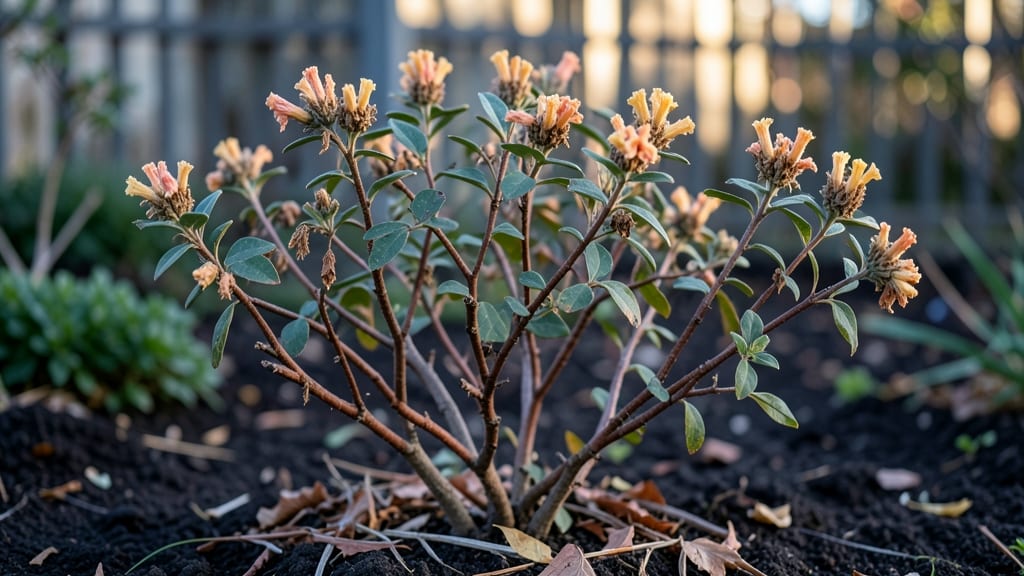
Your lantana plants can survive winter with the right care—even in frost-prone zones. ✨ I’ve revived my own lantana bushes every year by following a few simple steps that protect them from cold while keeping them healthy for spring blooms.
The key is understanding how much frost they can handle and when to take action.
Most lantana varieties are tender perennials, meaning they’ll die back in freezing temps but regrow from the roots if protected. In zones 8-11, they often overwinter outdoors with minimal fuss—just a light mulch and reduced watering.
For colder climates, you’ll need to bring potted lantana indoors or use frost cloth to shield them from hard freezes.
By late winter, you’ll see fresh green shoots pushing through the soil, signaling it’s time to prune back dead growth and prep for the next growing season. The result? A bush bursting with vibrant blooms by early summer, just like it was in peak season.
Whether you’re in a mild coastal area or a chilly inland zone, these methods work—no green thumb required. Let’s get your lantana ready for another stunning season!
📚 In This Guide
- What you need
- Instructions
- Tips and common mistakes
- Wrapping up and next steps
What you need
- ● Pruning shears or sharp bypass pruners – Clean, sterilized tools (1 pair) to trim back dead or damaged foliage.
- ● Garden gloves – Heavy-duty, cut-resistant gloves (1 pair) to protect hands from thorns and sharp stems.
- ● Mulch (organic or inorganic) – 3–4 inches of shredded bark, straw, or pine needles to insulate roots.
- ● Watering can or hose with a gentle spray nozzle – For light hydration (avoid overwatering!).
- ● Frost cloth or burlap – Lightweight, breathable fabric (enough to drape over the plant) for extra protection.
- ○ Stakes or small garden flags – Optional but helpful to mark pruned areas for future reference.
- ● Slow-release fertilizer – Balanced 10-10-10 or low-nitrogen formula (small bag) to nourish roots post-pruning.
- ● Anti-desiccant spray (e.g., Wilt-Pruf) – 1–2 sprays to prevent winter drying if your climate is very dry.
- ● Thermometer (soil or air) – To monitor frost risk (helpful for regions with unpredictable winters).
- ● Container or large pot (if repotting) – 1–2 sizes larger than current root ball with drainage holes.
Step-by-Step instructions for reviving lantana in winter
Here's how I nurse lantana through winter—keeping those vibrant blooms alive for another season.
🌱 Step 1: Assess and Prune Dormant Stems
Wait until after the first hard frost when lantana's leaves have browned and fallen. This is your signal it's truly dormant. Grab your pruning shears and cut back one-third of the plant's height—this removes dead growth while leaving enough structure for new shoots to emerge in spring.
I like to prune on a dry day when the soil is slightly frozen. This prevents fungal issues from spreading through fresh cuts. Look for stems that are completely brown and brittle—these are dead and should be removed entirely. Leave any green stems alone; they may still be viable.
✂️ Step 2: Apply Protective Mulch and Insulation
Spread a 3-inch layer of straw or shredded leaves around the base of the lantana, piling it higher against the stems. This insulates roots from temperature swings and prevents soil heaving during freeze-thaw cycles. Avoid using grass clippings—they can mat down and trap moisture, leading to rot.
For extra protection in zones below USDA Zone 8, wrap the entire plant in burlap or frost cloth after pruning. Secure it loosely so air can circulate—tight wraps trap cold air and do more harm than good. This layer acts like a blanket, keeping roots from freezing solid.
☀️ Step 3: Adjust Watering for Winter Dormancy
Reduce watering to once every 3-4 weeks unless you experience an extended dry spell. Lantana stores moisture in its stems, so overwatering during dormancy suffocates roots. Check soil moisture by pushing your finger 2 inches deep—if it feels damp, wait another week before watering.
Water deeply when you do irrigate, aiming for 1 gallon per plant. This encourages roots to seek deeper moisture reserves. Avoid wetting the foliage—damp leaves invite fungal diseases that can kill weakened winter stems. A soaker hose or drip irrigation system works best for targeted watering.
🌿 Step 4: Monitor for Spring Signals
Start checking for new growth in late winter (around February in most climates). Look for tiny green buds or shoots emerging from the base of the plant—this is your cue that the lantana is waking up. Remove any protective wraps or mulch gradually over 2-3 weeks to avoid shocking tender new growth.
If you see no new growth by mid-March, the plant may have died back completely. Don't panic—lantana often regrows from the roots. Water lightly and wait until late spring before declaring it a loss. Sometimes, a single shoot emerges weeks after you've given up hope.
🪴 Step 5: Prepare for Spring Flush
Once new growth reaches 4-6 inches tall, it's time for a second pruning. Trim back any leggy stems to encourage bushier growth and more abundant blooms. I like to cut just above a set of healthy leaves—this ensures the plant has energy reserves to support new foliage.
Apply a balanced 10-10-10 fertilizer (using half the recommended dose) to jumpstart spring growth. This gives the lantana the nutrients it needs to recover from winter stress. Space feedings 4-6 weeks apart to avoid burning tender new shoots with excess salts.
Tips & tricks for reviving lantana through winter
These little tricks will help your lantana bounce back stronger than ever after winter's chill.
Pruning Precision: When you're cutting back those one-third dormant stems in Step 1, look for the natural branching points where leaves used to grow. These are your best indicators of where new shoots will emerge. I've found that cutting just above these points gives the plant the strongest starting foundation for spring regrowth. Also, sterilize your pruning shears with rubbing alcohol between cuts—this prevents spreading any hidden fungal spores that could weaken your plant further.
Mulch Magic: For that 3-inch layer of straw or shredded leaves in Step 2, I like to use a mix of both for best results. Straw provides excellent insulation, while shredded leaves add organic matter that breaks down slowly, feeding your plant's roots. If you're using pine needles (which work well in acidic soils), they'll also help keep the mulch in place during windy conditions. Just remember to pull mulch back about 2 inches from the stem to prevent rot at the base.
Watering Wisdom: That once-every-3-to-4-weeks watering schedule in Step 3 might feel counterintuitive, but trust me—lantana stores moisture like a champ. I've seen plants survive winter with just two waterings when we had an unusually dry season. The key is that deep watering to 1 gallon per plant. Use a moisture meter if you're unsure—it should read dry at 2 inches deep before you water again. This practice actually strengthens the roots, making them more resilient for next year's growing season.
Spring Transition Strategy: When you start seeing those first green buds in February (Step 4), here's my secret: I remove the protective wraps and mulch in stages. First, uncover the top half of the plant for a week, then the bottom half the following week. This gradual exposure prevents shock to the tender new growth. I've seen plants that would have died from sudden exposure come back beautifully with this method. Also, if you're in a particularly cold climate, keep a few wraps handy in case we get unexpected late frosts.
Pro Tips for Lantana In Winter
- These little tricks will help your lantana bounce back stronger than ever after winter's chill.
- Pruning Precision: When you're cutting back those one-third dormant stems in Step 1, look for the natural branching points where leaves used to grow.
- Mulch Magic: For that 3-inch layer of straw or shredded leaves in Step 2, I like to use a mix of both for best results.
Frequently asked questions
Got questions about keeping your lantana thriving in winter? You’re not alone! Here are answers to the most common concerns—from frost survival to post-winter care—so you can enjoy those vibrant blooms year-round.
Do lantana plants die in winter, or can they survive frost?
Most lantana varieties are tropical or subtropical and struggle with frost below 28°F (-2°C). While mature plants may survive light freezes, prolonged cold or hard frost will kill them back to the ground. Tender cultivars (like Lantana camara) need winter protection—mulch heavily or move potted plants indoors!
How long does it take for lantana to regrow after winter damage?
With warm spring temperatures (above 50°F/10°C), lantana can sprout new growth from the roots in 2–6 weeks. Prune dead stems back by ⅓ to encourage bushier regrowth. If soil is still cold, wait until nighttime temps stay above 40°F/4°C for best results.
Can I grow lantana as an annual in colder climates?
In USDA Zones 8–11, treat lantana as a perennial. Outside that range, grow it in containers and bring pots indoors (or to a garage) before frost. With proper winter care, you’ll get bold blooms year after year—even in cooler areas!
What’s the best way to protect lantana from winter frost?
Use a mix of strategies:
- Mulch: Apply 3–4 inches of straw or shredded leaves around the base.
- Frost cloth: Drape lightweight fabric over plants on cold nights.
- Container hack: Wrap pots in bubble wrap and move to a sheltered spot.
- Avoid watering: Keep soil slightly dry to prevent root rot in cold soil.
Why isn’t my lantana blooming after winter?
Lantana needs full sun (6+ hours/day) and regular deadheading to encourage flowers. After winter, check for:
- Leggy growth? Prune back by ⅓ to promote bushiness.
- Poor soil? Fertilize with a balanced 10-10-10 in spring.
- Pests? Inspect for aphids or spider mites—treat with neem oil if needed.
Wrapping up and next steps
Caring for lantana in winter doesn’t have to be stressful—with the right strategies, your plants can thrive even in colder months! 🌿 Whether you’re protecting them from frost, pruning for regrowth, or adjusting care routines, your lantana can bounce back stronger than ever. Remember, patience and consistency are key—your vibrant blooms will reward you!
Ready to give your lantana a fighting chance this winter? Start by assessing your plants today—trim, mulch, or relocate them based on your climate. Then, keep an eye on their progress and adjust as needed. Before you know it, spring will bring back those stunning flowers! 🌸