
Vegetables
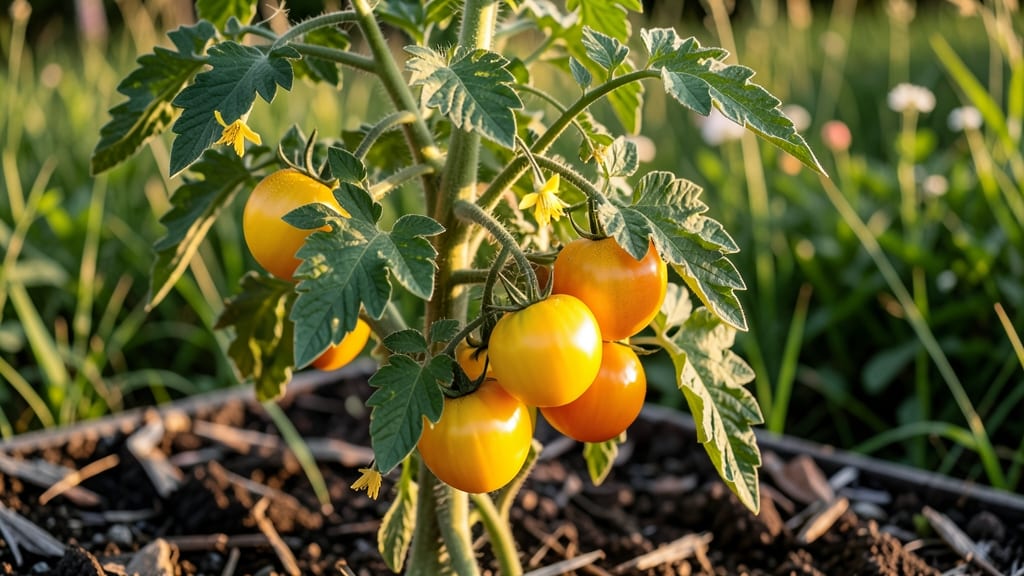
Growing Amana Orange heirloom tomatoes transforms your garden into a sun-drenched treasure trove of sweet, juicy flavor that store-bought varieties can’t match. 🌱 I’ve grown this heirloom for three seasons now, and every bite of that deep orange, honey-sweet flesh makes the effort worth it—even when vines sprawl unpredictably or early rains threaten the harvest.
The secret lies in balancing their love for warmth with patience, because these tomatoes reward you with perfection when given the right conditions.
Start with rich, well-draining soil mixed with compost—these tomatoes crave nutrients but hate soggy roots. Plant seeds indoors 6-8 weeks before your last frost, then transplant seedlings after all danger of frost has passed.
Give them 3-4 feet of space to sprawl (or provide sturdy cages if you prefer vertical growth), and place them in full sun for at least 8 hours daily. The key?
Consistent moisture—deep watering 1-2 inches per week keeps fruit from cracking, while mulch preserves soil moisture and regulates temperature.
By mid-summer, you’ll see those classic 2-3 inch Amana Oranges ripening to a vibrant orange hue, bursting with a flavor that’s sweeter than beefsteak but with a tangy depth all its own.
Prune suckers regularly to improve airflow and fruit production, and watch for early signs of blossom end rot—calcium supplements or crushed eggshells in the soil can prevent it.
One harvest won’t be enough; these tomatoes produce abundantly until frost, and their versatility in salads, sauces, or eaten straight off the vine makes them a garden staple.
Regional tweaks matter: In cooler climates, opt for early-maturing varieties or extend the season with row covers. Southern gardeners might face heat stress—shade cloth during peak afternoons helps.
Either way, save seeds from your best tomatoes for next year’s crop, because once you grow Amana Oranges, you’ll never go back to bland supermarket tomatoes. The journey from seed to frost is worth every sunburn and blistered hand.
📚 In This Guide
- What you need
- Instructions
- Tips and common mistakes
- Wrapping up and next steps
What you need
- ● Seeds: 3–5 Amana Orange heirloom tomato seeds (or 1–2 seed packets if planting multiple plants)
- ● Seed-starting mix: 1–2 gallons of sterile, well-draining potting soil (look for a blend labeled for seedlings)
- ● Containers: 4–6 small pots (4–6 inches deep) or seed trays with cell inserts for starting seeds indoors
- ● Fertilizer: A balanced, organic fertilizer (5-5-5 or 10-10-10 NPK ratio) for seedlings and transplanting
- ● Tomato cages or stakes: 3–5 sturdy cages (5–6 feet tall) or bamboo/tomato stakes (6+ feet long) for support
- ● Mulch: Straw, grass clippings, or shredded leaves (2–3 inches thick) to retain moisture and suppress weeds
- ● Pruning shears or scissors: For trimming suckers and shaping plants
- ● Watering can or hose with a gentle spray nozzle (avoid overhead watering to prevent disease)
- ● Grow lights or sunny windowsill (if starting seeds indoors before last frost)
- ● Garden gloves (to protect hands while handling plants)
- ○ pH testing kit (optional but helpful for monitoring soil acidity, ideal range: 6.0–6.8)
- ● Row cover or frost cloth (if planting in early spring or fall to protect young plants)
- ● A sunny location with 6–8+ hours of direct sunlight daily (tomatoes are sun-worshippers!)
- ● Well-draining soil with a pH of 6.0–6.8 (amend with compost if needed)
- ● Patience! Amana Orange tomatoes take 70–85 days to mature from transplant.
Step-by-step instructions for growing Amana Orange heirloom tomatoes
Here’s how to coax those legendary sweet, juicy fruits from seed to harvest—season after season.
🌱 Step 1: Start Seeds Indoors 8-10 Weeks Before Last Frost
Sow seeds ¼ inch deep in a sterile seed-starting mix, using 2-3 inch deep containers for each seedling. Amana Oranges germinate best at 75-85°F, so a seedling heat mat speeds things up. Keep the soil consistently moist but never soggy—you’ll see sprouts in 7-14 days.
Once seedlings emerge, remove the heat mat and move them to a sunny window or under grow lights for 14-16 hours daily. Thin to the strongest seedling per pot if you planted multiple. Watch for first true leaves (the second set after the initial cotyledons)—this signals it’s time to fertilize lightly with a balanced liquid fertilizer.
☀️ Step 2: Harden Off and Transplant After Frost Risk Passes
Two weeks before your last frost date, begin hardening off seedlings by placing them outside in a sheltered spot for 1-2 hours the first day, gradually increasing to full sun exposure over 10-14 days. This toughens stems and prevents transplant shock—critical for Amana Oranges, which can be finicky.
Transplant after soil warms to 60°F and nighttime temperatures stay above 50°F. Bury stems deeper than usual (up to ⅓ of the plant’s height24-36 inches apart in rows 3 feet apart—they’ll spread as they mature.
💧 Step 3: Water Deeply and Mulch for Juicy Fruits
Water at the base 1-2 inches deep every 2-3 days, adjusting for rain. Amana Oranges concentrate flavor when slightly water-stressed, but don’t let soil dry completely—wilting flowers drop pollen, reducing fruit set. Use drip irrigation or soaker hoses to keep foliage dry and prevent disease.
Apply 2-3 inches of mulch (straw or shredded leaves) around plants to retain moisture and cool roots. This is where the magic happens: consistent moisture without soggy soil delivers those signature sweet, juicy fruits. Fertilize lightly every 3-4 weeks with a tomato-specific blend—too much nitrogen means leafy growth, not fruit.
✂️ Step 4: Prune and Support for Maximum Yield
Remove suckers (the shoots in the leaf axils) regularly to direct energy to fruit production. Amana Oranges benefit from determinate pruning—let them grow bushy but remove lower leaves to improve airflow and reduce disease risk. Install cages or stakes early to support the weight of heavy fruit.
When clusters form, thin to 2-3 tomatoes per truss—this ensures larger, sweeter fruits. Watch for early signs of blossom end rot (calcium deficiency) and treat with crushed eggshells or a foliar spray. Harvest when fully colored and slightly soft to the touch—waiting too long makes them mealy.
⏰ Step 5: Extend the Season and Preserve the Harvest
To prolong fruiting, remove all leaves below the lowest fruit cluster by late summer and cover plants with frost cloth on cool nights. Amana Oranges ripen best on the vine, but if frost threatens, pick green tomatoes and ripen indoors in a paper bag with a banana.
Preserve the bounty by canning, freezing, or making sauce—these tomatoes are too good to waste. Store ripe ones at 55-60°F for up to 2 weeks. The secret to juicy perfection? Start early, stay consistent, and let the vines do the work.
Tips & tricks for perfect Amana Orange heirloom tomatoes
Here's what nobody tells you about growing these legendary tomatoes—details that make all the difference between good and showstopping.
Germination Temperature: Those 75-85°F germination temps are non-negotiable for Amana Oranges. I've learned the hard way that cooler soil slows germination dramatically—sometimes by weeks. If your home stays below 70°F, invest in a seedling heat mat. The difference between 7-day and 14-day sprouts is night and day for your planting timeline.
Transplanting Technique: Burying stems up to ⅓ of the plant's height might seem counterintuitive, but it triggers root growth from those buried stems. I've seen Amana Oranges develop massive root systems this way—plants that look like they've been growing for months when they're just a few weeks old. This is especially critical in dry climates where you need every root possible to access moisture.
Watering Strategy: The 1-2 inches deep watering rule is your flavor secret weapon. These tomatoes thrive on that perfect balance of moisture stress and hydration. I've noticed the sweetest fruits come from plants that show just a hint of wilting by late afternoon—enough to concentrate sugars but not enough to drop blossoms. Use a moisture meter to check soil 2 inches down before watering; aim for 40-50% moisture.
Pruning Precision: When thinning to 2-3 tomatoes per truss, don't just grab and pull—use clean pruning shears and cut at a 45-degree angle just above a leaf node. I've seen home gardeners accidentally tear stems, creating open wounds that attract disease. This simple technique keeps your plants healthy and maximizes fruit size. The larger tomatoes you grow, the more juice you'll get per bite.
Pro Tips for Amana Orange Heirloom Tomato
- Here's what nobody tells you about growing these legendary tomatoes—details that make all the difference between good and showstopping.
- Germination Temperature: Those 75-85°F germination temps are non-negotiable for Amana Oranges.
- Transplanting Technique: Burying stems up to ⅓ of the plant's height might seem counterintuitive, but it triggers root growth from those buried stems.
Frequently asked questions
When is the best time to plant Amana Orange tomato seeds?
The ideal time depends on your climate! Start seeds indoors 6–8 weeks before your last frost date (typically March–April in most regions). Transplant seedlings outdoors after soil warms to 55°F+—usually late spring. For cooler zones, use row covers or grow in containers for extra warmth. Pro tip: Amana Oranges thrive in heat but hate cold snaps, so wait until nighttime temps stay above 50°F.
How do I know when Amana Orange tomatoes are ripe?
These beauties ripen to a deep, golden-orange hue with a slightly blushed red shoulder—like a sunset! Check for softness when gently squeezed and a sweet, tangy aroma at the stem. Unlike some heirlooms, they don’t ripen off the vine, so harvest promptly. Wait for full color—green or pale oranges lack flavor!
Why aren’t my Amana Orange tomatoes producing fruit?
Common culprits include poor pollination, extreme heat (>90°F), or nutrient deficiencies. Hand-pollinate with a paintbrush if bees are scarce, provide afternoon shade in scorching climates, and ensure consistent watering (drought stress = fewer fruits). Check for yellow leaves (nitrogen deficiency) or purple stems (phosphorus lack)—amend soil with compost or balanced fertilizer.
Can I substitute Amana Orange tomatoes in recipes?
Their sweet, low-acid profile makes them perfect for slicing on sandwiches, fresh salads, or gazpacho. For sauces, blend with a splash of vinegar or basil to balance sweetness. Avoid raw in dishes needing acidity (like salsa)—they’ll taste bland. Try roasting them for caramelized depth in pasta or grilled cheese!
How do I save Amana Orange tomato seeds for next year?
Let a few tomatoes fully ripen and overripen on the vine, then scoop out the jelly-like pulp into a jar. Add water, stir, and let ferment 3–5 days (yeast breaks down gel). Strain, rinse seeds, and dry on a paper towel for 1–2 weeks. Store in a cool, dark place—viability lasts 3–4 years! Tip: Label seeds with the year to track varieties.
Wrapping up and next steps
Growing the Amana Orange heirloom tomato is a rewarding journey that brings sweet, juicy flavors straight to your table. Whether you're a seasoned gardener or just starting, these vibrant tomatoes are a delightful addition to any garden—and your meals! 🌱🍅
Now that you’re armed with the knowledge to cultivate, care for, and enjoy them, why not take the next step? Start with a few seeds or seedlings, experiment with recipes, or even share your harvest with friends.
Every bite of that sun-ripened Amana Orange is a taste of summer worth savoring—so get growing and enjoy the harvest!