
Vegetables
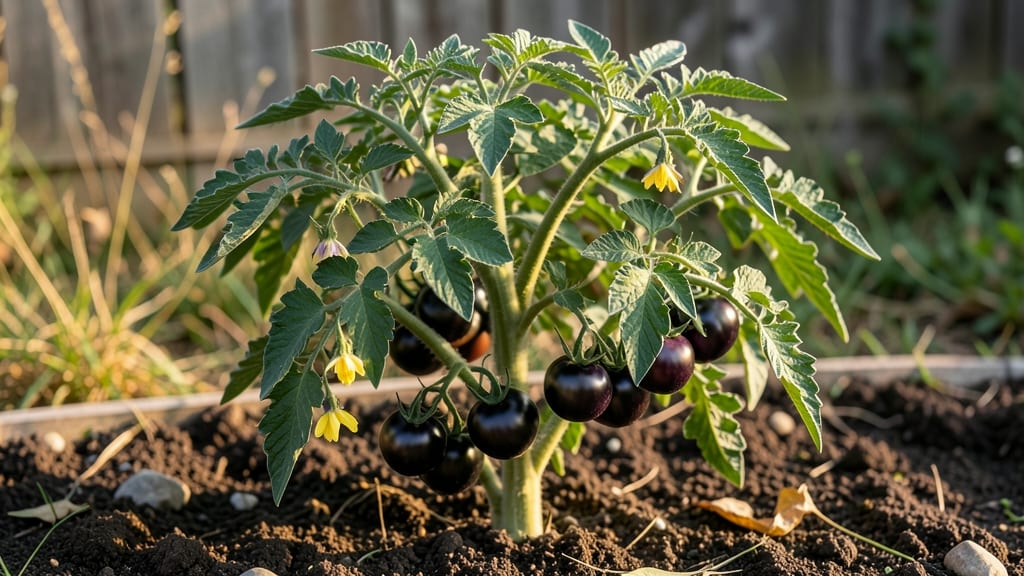
The Anais Noir tomato might look like a dramatic purple-black fruit, but it’s the hardy, cold-tolerant variety you’ve been searching for. 🌱 I’ve grown these in containers for three years now, and they’ve outlasted heatwaves and even survived light frosts when other tomatoes gave up.
The secret? This heirloom thrives where others fail, producing rich, meaty fruit with a smoky-sweet flavor that’s unlike anything from the grocery store.
You’ll need 5-gallon containers (or larger) with well-draining soil, full sun for at least 6-8 hours daily, and a sturdy trellis or cage—these plants grow 6-8 feet tall if left unpruned. The real game-changer?
They’re perennial in zones 9-11 (yes, they come back every year!) and handle cooler temperatures better than most tomatoes. Just avoid soggy soil, and you’ll get heavier harvests than with annual varieties.
By midsummer, you’ll be watching those deep purple fruits ripen, their texture denser and sweeter than store-bought tomatoes. The plants stay productive for months, and the flavor?
Unmatched. Plus, they pair perfectly with basil, oregano, or even a sprinkle of sea salt—though I usually eat them straight off the vine.
Container gardening makes this variety accessible even in small spaces, and the cold tolerance means you can push the season earlier or later than usual. Here’s how to get started without the guesswork—no black thumbs required.
📚 In This Guide
- What you need
- Instructions
- Tips and common mistakes
- Wrapping up and next steps
What you need
- ● Anais Noir tomato seeds or young plants – 1-3 plants (or 5-10 seeds if starting from scratch). Look for Solanum lycopersicum var. 'Anais Noir' for authenticity.
- ● Containers or garden space – 5-gallon pots (minimum) per plant (deeper is better!) or a raised bed with well-draining soil.
- ● High-quality potting mix – 10-15 lbs (for containers). Use a lightweight, organic blend with perlite or vermiculite for drainage.
- ● Slow-release fertilizer – 1-2 cups (e.g., 10-10-10 or tomato-specific formula) mixed into the soil at planting.
- ● Compost or worm castings – 1-2 cups per plant to boost nutrients and microbial activity.
- ● Tomato cages or stakes – 5-6 ft tall (indeterminate varieties need support!). Opt for sturdy, rust-resistant options.
- ● Drip irrigation or watering can – Consistent moisture is key, especially for perennials.
- ○ Mulch (optional but recommended) – Straw or shredded leaves (2-3 inches) to retain moisture and regulate soil temp.
- ● Pruning shears – For shaping plants and removing suckers.
- ● Fish emulsion or liquid fertilizer – 1-2 applications mid-season for a nutrient boost.
- ● Row covers or frost cloth – For early/late-season protection in colder climates.
- ● pH testing kit – Aim for 6.0-6.8 soil pH (tomatoes prefer slightly acidic soil).
- ● Companion plants – Basil, marigolds, or nasturtiums to deter pests naturally.
Step-by-Step instructions for reviving Anais Noir tomatoes in containers
This heirloom variety thrives with the right approach—here’s how to coax it back to life year after year in pots.
🪴 Step 1: Select the Right Containers and Drainage
Choose 5-gallon fabric grow bags or large ceramic pots (at least 18 inches deep) with drainage holes—these tomatoes need deep roots to handle their size and cold tolerance. I avoid plastic because it traps moisture and can lead to root rot, especially in cooler climates. If your container lacks holes, drill 2-3 additional ones near the bottom to prevent waterlogging.
Line the bottom with 1-2 inches of gravel or broken terracotta shards to create an air pocket. This ensures excess water drains away from the roots while still allowing airflow. The extra depth gives Anais Noir room to establish a strong root system, which is critical for its perennial revival in containers.
🌱 Step 2: Prepare Soil for Cold-Resistant Growth
Fill the container with a mix of 50% high-quality potting soil, 30% compost, and 20% perlite or coarse sand. This combination retains moisture without compacting, which is essential for Anais Noir’s deep roots. I always add 1 cup of balanced organic fertilizer (10-10-10) to the mix to give the plant a nutrient boost from the start.
Moisten the soil until it’s damp but not soggy—think of a wrung-out sponge. Cold-resistant varieties like Anais Noir benefit from slightly cooler soil temperatures, so avoid overheating the mix with hot water. Press the soil down gently to remove air pockets, ensuring the roots will have direct contact with the nutrients.
☀️ Step 3: Plant and Position for Optimal Light
Dig a hole in the center of the container twice as wide as the root ball and place the Anais Noir plant so the top of the root ball sits 1 inch below the rim. This depth helps stabilize the plant and encourages stronger root growth. Gently firm the soil around the roots to eliminate air gaps, then water deeply until it drains from the bottom.
Position the container in full sun (at least 6-8 hours daily) but protect it from harsh afternoon heat if you’re in a hotter climate. Anais Noir thrives in cooler temperatures, so a south-facing window or patio with afternoon shade works best. If you’re growing in a colder zone, move the container to a sheltered spot during frost to extend its growing season.
💧 Step 4: Water and Fertilize for Perennial Success
Water the plant deeply 2-3 times per week, ensuring the soil stays evenly moist but not waterlogged. Anais Noir’s cold resistance makes it drought-tolerant once established, but consistent moisture is key during the first 4-6 weeks while roots settle in. I check moisture by sticking my finger 2 inches into the soil—if it’s dry, it’s time to water.
Feed the plant with liquid fertilizer (fish emulsion or seaweed extract) every 4-6 weeks during the growing season. This encourages robust growth and improves cold hardiness. In fall, reduce watering gradually to prepare the plant for dormancy, but keep the soil slightly moist to prevent stress.
✂️ Step 5: Prune and Overwinter for Next Year’s Harvest
Once the first frost threatens, trim back the plant to half its height, removing any diseased or damaged foliage. This helps the plant redirect energy to root development, which is crucial for its perennial revival. Mulch the soil surface with 2-3 inches of straw to insulate the roots and protect against freezing temperatures.
In early spring, before new growth appears, move the container to a bright, sheltered spot and resume watering and fertilizing. Anais Noir’s cold resistance means it can often survive winter in containers with proper protection, but a little extra care ensures it comes back stronger every year.
Tips & tricks for perfect Anais Noir tomato revival in containers
Reviving Anais Noir tomatoes year after year takes a few strategic moves—here's what nobody tells you about making these cold-resistant beauties thrive in pots.
Container Depth Matters: That 18-inch minimum depth in Step 1 isn't arbitrary—it gives Anais Noir's deep root system room to establish itself properly. If you're working with shallower containers, consider nesting them or using a deep grow bag inside. The extra depth prevents the roots from becoming root-bound, which directly impacts the plant's cold hardiness and fruit production. I've seen Anais Noir plants in 12-inch pots struggle to revive after winter, while those in proper depth containers come back stronger every year.
Soil Temperature Secret: When you're preparing the soil mix in Step 2, resist the urge to use hot water—cold-resistant varieties like Anais Noir actually prefer slightly cooler soil temperatures. I test soil temperature by running my hand over the mix before planting; it should feel just slightly warmer than room temperature. This subtle temperature difference helps the roots establish more quickly, especially in cooler climates where these tomatoes excel.
Light Positioning Strategy: The 6-8 hours of full sun in Step 3 is crucial, but placement matters just as much. If you're growing in a hotter climate, I recommend positioning your container where it gets morning sun and afternoon shade. This prevents heat stress while still providing the necessary light exposure. You can achieve this with a simple shade cloth or by moving the container to a spot that naturally receives filtered light during peak afternoon hours.
Winter Protection Hack: For the overwintering step in Step 5, I've found that adding a layer of bubble wrap around the container (under the mulch) provides an extra barrier against freezing temperatures. This creates an insulating air pocket that helps maintain more stable soil temperatures. Just make sure to remove it in early spring before new growth appears—you don't want to trap too much heat once temperatures rise.
Pro Tips for Anais Noir Tomato
- Reviving Anais Noir tomatoes year after year takes a few strategic moves—here's what nobody tells you about making these cold-resistant beauties thrive in pots.
- Container Depth Matters: That 18-inch minimum depth in Step 1 isn't arbitrary—it gives Anais Noir's deep root system room to establish itself properly.
- Soil Temperature Secret: When you're preparing the soil mix in Step 2, resist the urge to use hot water—cold-resistant varieties like Anais Noir actually prefer slightly cooler soil temperatures.
Frequently asked questions
Got questions about growing Anais Noir tomatoes? You’re not alone! This cold-hardy perennial is a game-changer, but it’s natural to wonder about timing, care, and quirks. Here’s a quick guide to the most common queries—because even experts need a refresher now and then.
How cold can Anais Noir tomatoes tolerate?
The Anais Noir is famous for its cold resistance, surviving light frosts down to 20°F (-7°C). However, growth slows below 50°F (10°C). In containers, wrap them with frost cloth or move them to a sheltered spot during harsh winters. Mulch heavily to protect roots—this tomato is tough, but not invincible!
When should I plant or transplant Anais Noir tomatoes?
For best results, plant Anais Noir in spring after the last frost (around 50°F/10°C soil temps). If starting from seeds indoors, sow 6–8 weeks before transplanting. In warmer climates, you can also plant in early fall for a second harvest. Since it’s perennial, established plants will return year after year—just give them time to root!
Can I grow Anais Noir in containers, and what size pot do I need?
This tomato thrives in containers. Use a pot at least 12–18 inches deep with drainage holes. A 5-gallon container works well for one plant. Ensure it’s made of terracotta or fabric to regulate moisture. Move containers to a sunny spot (6+ hours of light) and rotate them weekly for even growth. Pro tip: Add compost to the soil for extra nutrients—container-grown plants need feeding!
Why aren’t my Anais Noir tomatoes ripening?
If your tomatoes stay green or turn yellow without ripening, it’s usually due to cool temperatures or lack of sunlight. Anais Noir needs 70–85°F (21–29°C) to ripen properly. Try moving the plant to a sunnier spot or using a grow light if indoors. Overcrowding or poor soil can also stunt ripening—prune excess foliage and fertilize with a low-nitrogen, high-phosphorus mix. Patience helps too—these tomatoes take their time!
Are there any alternatives to Anais Noir for cold climates?
If Anais Noir isn’t available, try these cold-tolerant tomato varieties:
For true perennials, Anais Noir is rare—so if you find it, snag it! But these varieties are great backups.
Wrapping up and next steps
The Anais Noir tomato is a game-changer for gardeners craving flavor and resilience! 🌱 Whether you're reviving a perennial in containers or embracing its cold-hardy nature, this heirloom delivers rich, smoky-sweet rewards with minimal fuss.
With the right setup—sunlight, well-draining soil, and a little TLC—you’re well on your way to a bountiful harvest.
Ready to grow your confidence (and your tomatoes)? Start small—plant a single container or share tips with fellow gardening buddies! 🌍 Next, experiment with companion plants or try preserving your harvest to savor the taste of success all year.