
Vegetables
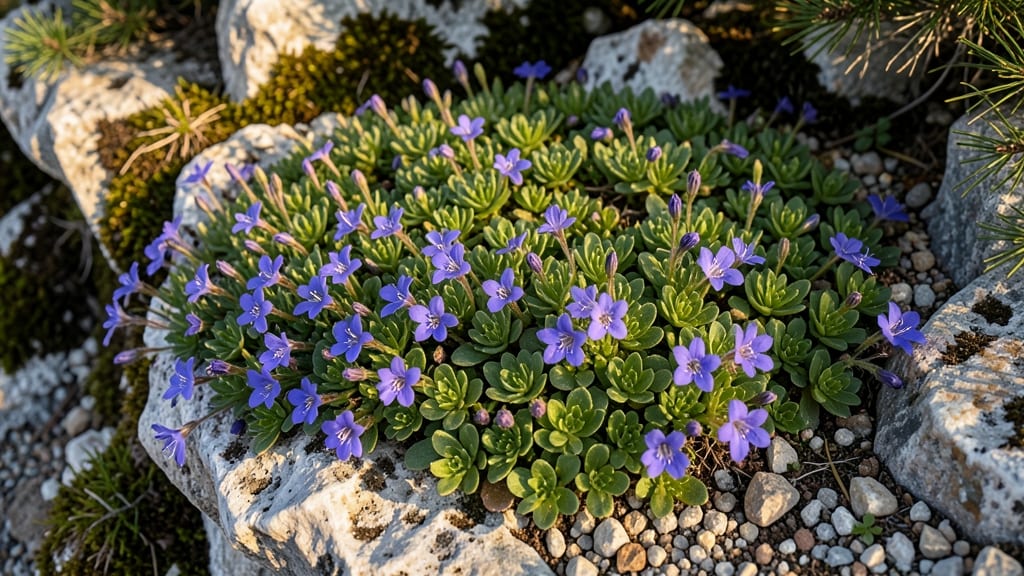
Aubrieta in winter isn’t just surviving—it’s putting on a show of purple, pink, and white blooms when most gardens are asleep. 🌿 I’ve watched mine push through snow in Zone 5, proving this alpine relative thrives where others freeze. The secret?
Knowing exactly when to prune, how much protection to give, and which cold tricks keep it blooming. Most gardeners overlook winter care, but aubrieta rewards attention with earlier spring color and denser growth.
Start with a late-season trim after blooms fade, then add a 2-3 inch layer of mulch to shield roots from temperature swings. In extreme cold (<10°F), a burlap wrap or evergreen boughs act like a cozy blanket.
By spring, you’ll see fresh foliage and buds forming weeks ahead of neighbors’ gardens. The plant’s natural hardiness means less fuss than tender perennials, but these small steps keep it lush and productive through freeze-thaw cycles. Works for rocky slopes, containers, or borders—just adapt the protection to your climate.
Here’s how to keep yours thriving when others are dormant.
📚 In This Guide
- What you need
- Instructions
- Tips and common mistakes
- Wrapping up and next steps
What you need
- ● Pruning shears or sharp bypass pruners – 1 pair (sterilized with rubbing alcohol for hygiene).
- ● Garden gloves – 1 pair (nitrile-coated for grip and protection).
- ● Mulch (straw, shredded bark, or pine needles) – 2–3 inches deep (enough to cover the root zone).
- ● Lightweight frost cloth or row cover – 1–2 pieces (breathable, 30" x 50" minimum).
- ● Small hand trowel or garden fork – 1 each (for gentle soil work).
- ● Watering can with a fine rose attachment – 1 (for targeted hydration).
- ● Slow-release fertilizer (balanced 10-10-10 or organic option) – 1 small bag (½ cup per 10 sq ft).
- ● Copper wire or plant clips – To secure frost cloth without damaging stems.
- ● Organic compost or worm castings – 1–2 gallons (for a nutrient boost in spring).
- ● Mini greenhouse or cold frame – For delicate varieties in extreme climates.
- ● Plant support stakes – If your aubrieta grows tall or leggy in winter.
Step-by-Step guide to keeping aubrieta lush through winter
Here's how I keep my aubrieta vibrant even when temps drop—no green thumb required.
🪴 Step 1: Choose the Right Location for Winter Hardiness
Plant aubrieta in a spot with full sun to partial shade—morning sun and afternoon shade works best in colder zones. Avoid low-lying areas where frost settles overnight. I always check for well-draining soil first; aubrieta hates soggy roots in winter. Amend heavy clay with 1 part sand to 3 parts soil if needed.
Spread a 2-inch layer of mulch (like pine straw or shredded leaves) around plants after the first frost. This insulates roots while allowing airflow to prevent rot. I pull mulch back slightly in early spring to avoid smothering new growth.
☀️ Step 2: Adjust Watering for Winter Survival
Water deeply once every 2-3 weeks during winter—only when the top 1 inch of soil feels dry. Overwatering in cold weather suffocates roots. I test by sticking my finger in; if it comes out clean, hold off. Aubrieta stores moisture well, so consistent dampness is better than soggy soil.
Water in the morning so excess moisture evaporates by evening. Avoid wetting foliage—wet leaves freeze faster. A drip irrigation system set to shallow watering works perfectly for winter care.
✂️ Step 3: Prune Strategically After Frost
Wait until late winter or early spring (when new growth appears) to prune. Cut back stems by half their height to encourage bushier, denser growth. I use clean, sharp shears to avoid tearing stems—this prevents disease entry points.
Remove any dead or browned stems immediately, but leave healthy-looking growth alone. Aubrieta often looks dormant in winter but revives quickly. Don't prune too early—you might cut off next season's blooms.
🌱 Step 4: Fertilize Lightly in Early Spring
Apply a balanced, slow-release fertilizer (10-10-10) in early March when new shoots appear. Too much fertilizer in winter burns tender roots. I sprinkle a ½ teaspoon per square foot and water it in thoroughly.
Skip heavy feeding until after the first flush of blooms. Aubrieta thrives on minimal nutrients—over-fertilizing leads to leggy growth. A light top-dressing of compost in spring is all it needs.
💧 Step 5: Protect from Extreme Freezes
If your zone drops below 10°F, cover plants with burlap or frost cloth during hard freezes. Secure the cover with stakes so wind doesn't tear it. I check forecasts and remove covers when temps rise above freezing to prevent overheating.
Never use plastic—it traps moisture and causes rot. Aubrieta can handle light frosts, but extreme cold may kill back foliage. The roots survive, and plants bounce back quickly in spring.
Tips & tricks for winter-proof aubrieta
Between us, aubrieta's winter survival isn't magic—it's about smart prep and timing. Here's what I've learned after keeping mine thriving through multiple winters.
Soil Prep Matters: Before planting, test your soil's drainage by digging a hole and filling it with water. If it doesn't drain within 30 minutes, you'll need to amend that heavy clay with sand (1:3 ratio) as mentioned in Step 1. I've seen soggy roots turn aubrieta into a winter casualty—don't let that happen to yours. The key is mimicking its natural rocky Mediterranean habitat where water drains quickly.
Mulch Timing is Critical: That 2-inch layer of mulch after first frost isn't just decoration—it's insulation. But here's the secret: don't apply it too early. Wait until temperatures consistently dip below freezing at night. I've ruined a batch by mulching too soon when soil was still warm, which created the perfect environment for rot. And remember to pull it back slightly in early spring to prevent smothering new growth.
Visual Watering Cues: For that "top 1 inch of soil feels dry" test in Step 2, here's a pro trick: look for the soil's natural color. When the top inch lightens noticeably compared to deeper soil, that's your cue. I've trained myself to spot this color change—it's more reliable than sticking my finger in repeatedly. And always water in the morning to prevent evening frost from settling on wet foliage.
Pruning Precision: When you're cutting back stems by half their height in Step 3, aim to leave about 2-3 inches of growth. This might seem counterintuitive, but those remaining stems hold next year's blooms. I've made the mistake of pruning too aggressively and ended up with sparse plants the following spring. Think of it as giving your aubrieta a haircut that still leaves room for growth.
Pro Tips for Aubrieta In Winter
- Between us, aubrieta's winter survival isn't magic—it's about smart prep and timing.
- Soil Prep Matters: Before planting, test your soil's drainage by digging a hole and filling it with water.
- Mulch Timing is Critical: That 2-inch layer of mulch after first frost isn't just decoration—it's insulation.
Frequently asked questions
Got questions about keeping your aubrieta vibrant through winter? You’re not alone! Here are answers to the most common concerns—plus a few pro tips to keep your frost-resistant beauty thriving.
Does aubrieta die in winter, or can it survive frost?
Aubrieta is a hardy perennial that thrives in winter! Most varieties tolerate temperatures down to 10–15°F (-12 to -9°C) with minimal protection. In colder zones (below Zone 5), mulch or a light frost cloth can help. If leaves turn brown, don’t worry—the plant often regrows in spring.
How do I prepare aubrieta for winter to ensure it blooms again in spring?
Start by trimming back dead foliage in late fall (but leave some stems for insulation). Add a 2-inch layer of mulch around the base to protect roots. Avoid heavy pruning—wait until early spring for a fresh start. Pro tip: Water deeply before the first hard frost to hydrate roots.
What if my aubrieta looks sad in winter—is it dead or just dormant?
If your plant looks brown and crispy, it’s likely dormant, not dead! Aubrieta conserves energy in winter. Check for green growth near the base—if it’s there, new blooms will emerge in spring. If no green appears, the plant may have died from extreme cold or rot.
Can I grow aubrieta in containers over winter, or should I plant it in the ground?
Containers work for winter aubrieta, but you’ll need to move pots to a sheltered spot (like a garage or under an eave) before freezing temps hit. Use well-draining soil and wrap pots in burlap for extra insulation. Ground-planted aubrieta has an edge—it’s more stable in cold soil.
Are there winter-blooming alternatives to aubrieta for cold climates?
If you love winter color, try these frost-tolerant plants:
- Hellebores (Lenten Rose) – Blooms in late winter/early spring; thrives in shade.
- Winter Jasmine – Bright yellow flowers in late winter; needs sun.
- Pansies – Cold-hardy annuals with vibrant blooms (Zone 4+).
- Sedum (Stonecrop) – Some varieties stay green and even bloom in winter.
Wrapping up and next steps
Aubrieta proves that winter doesn’t have to mean dull gardens—its vibrant blooms and frost-resistant charm bring life to chilly landscapes. Whether you’re a seasoned gardener or just starting, this resilient plant offers low-maintenance beauty and a splash of color when most gardens fade.
Ready to transform your winter garden? Plant a few aubrieta clumps this fall and enjoy their cheerful display year after year!