
Vegetables
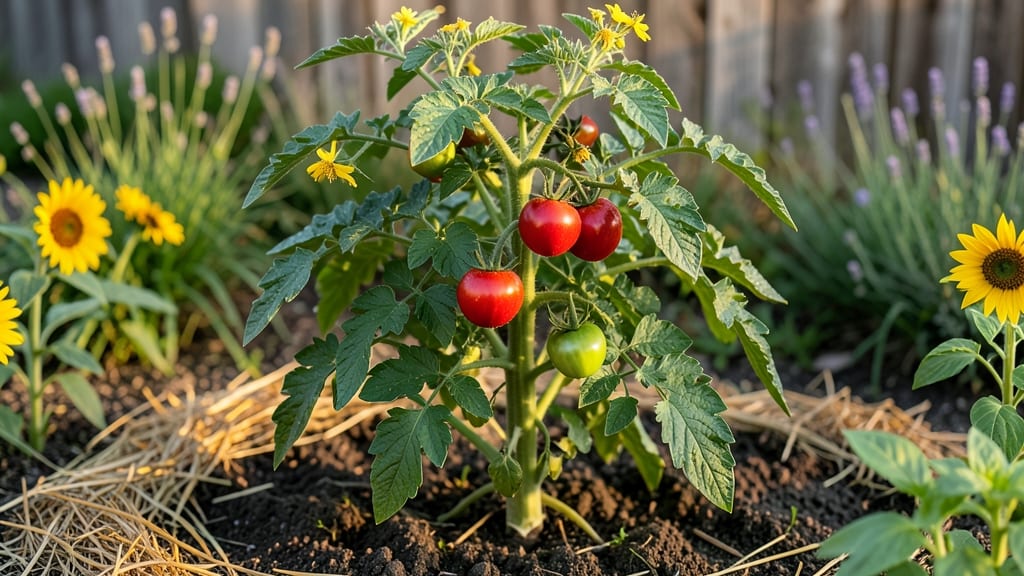
The Aunt Ruby tomato tastes like summer in every bite—sweet, juicy, and just a little tart, with a flavor that puts store-bought varieties to shame. 🌿 This heirloom gem isn’t just delicious; it’s tough enough to regrow after frost, proving it’s one of the most resilient tomatoes you’ll ever grow.
If you’ve ever wanted a tomato that’s both productive and unforgettable, this is your plant.
Growing Aunt Ruby is straightforward once you know the basics: full sun, well-draining soil, and consistent moisture. Unlike fussy hybrids, it thrives in heat and even bounces back after light frosts, making it perfect for gardeners in zones 3-10.
The plants stay compact (about 3-4 feet tall), so they don’t need much space—ideal for containers or small gardens. Just give them 18-24 inches of spacing between plants, and you’ll avoid crowding.
By mid-summer, you’ll be harvesting 2-3 inch ruby-red tomatoes that burst with flavor, and the vines keep producing until frost. The secret? Prune regularly to encourage airflow, stake them early (they get heavy!), and feed with compost every few weeks.
No fancy tricks—just good old-fashioned care for a reward that tastes like childhood.
Even better? Save seeds from your best tomatoes, and you’ll have a plant that’s even sweeter next year. This isn’t just a tomato; it’s a garden heirloom worth passing down. Ready to grow one that’ll make your neighbors green with envy?
📚 In This Guide
- What you need
- Instructions
- Tips and common mistakes
- Wrapping up and next steps
What you need
- ● Aunt Ruby tomato seeds – 3–5 seeds per plant (or 1–2 seedlings if transplanting).
- ● Growing containers or garden bed – Minimum 5-gallon pots (18+ inches deep) or well-draining soil in a raised bed. Aunt Ruby loves space—plant 2–3 feet apart in rows 3–4 feet apart.
- ● Potting mix or garden soil – Rich, well-draining mix with compost (avoid heavy clay).
- ● Fertilizer – Balanced 10-10-10 or organic options like fish emulsion or compost tea.
- ● Stakes or cages – 5–6 feet tall (Aunt Ruby can grow indeterminate, up to 7+ feet!).
- ● Mulch – Straw or shredded leaves to retain moisture and protect roots.
- ● Watering can or hose with gentle spray – Avoid soaking leaves to prevent disease.
- ● Seedling heat mat – If starting indoors (70–80°F ideal for germination).
- ● Row covers or frost cloth – For early-season protection (Aunt Ruby can survive light frost but thrives in 70–85°F).
- ● Pruning shears – To manage vines and encourage airflow.
- ● pH test kit – Aim for 6.0–6.8 soil pH (tomatoes love slightly acidic soil!).
- ● Drip irrigation system – For consistent moisture (especially in hot climates).
Step-by-Step guide to growing Aunt Ruby tomatoes
Here's how I grow this frost-tolerant heirloom—sweet, reliable, and perfect for small spaces.
🌱 Step 1: Start Seeds Indoors 6-8 Weeks Before Last Frost
Fill 2-3 inch deep biodegradable pots with sterile seed-starting mix. Aunt Ruby seeds germinate best at 75-85°F, so I use a seedling heat mat to speed things up. Plant seeds ¼ inch deep—any deeper and they’ll struggle to reach the surface. Cover with a humidity dome to retain warmth and moisture.
Keep the soil consistently moist but never soggy. You’ll see sprouts in 7-10 days. Once they emerge, remove the dome immediately—trapped moisture invites damping-off, which can wipe out seedlings overnight. Place pots under grow lights 14-16 hours daily to prevent leggy growth.
☀️ Step 2: Harden Off and Transplant After Frost Threat Passes
Two weeks before your last frost date, begin hardening off seedlings by placing them outside in a sheltered spot for 1-2 hours daily. Gradually increase exposure over 10-14 days, watching for first true leaves to develop. Aunt Ruby’s frost tolerance means you can transplant earlier than most tomatoes—just wait until soil warms to 55°F.
Choose a sunny spot with 6-8 hours of direct sun and well-draining soil. Bury the stem deeper than usual—up to the first set of leaves—to encourage strong root growth. Space plants 24-36 inches apart for proper airflow and disease prevention.
💧 Step 3: Water Deeply and Mulch for Frost Resilience
Water at the base of the plant in the morning to reduce fungal risks. Aunt Ruby thrives with 1-1.5 inches of water weekly, but let the soil dry slightly between waterings to prevent blossom-end rot. Mulch with 2-3 inches of straw or shredded leaves to retain moisture and protect roots from temperature swings.
This variety’s claim to fame is its frost tolerance—it can survive light freezes (28°F) and regrow from the base in spring. Prune suckers regularly to direct energy toward fruit production, and stake or cage plants early to support their 3-4 pound tomatoes.
✂️ Step 4: Harvest and Extend the Season
Pick tomatoes when they’re fully colored but still slightly firm for peak sweetness. Aunt Ruby’s flavor intensifies as it ripens, so don’t rush harvests. In fall, let a few fruits mature fully on the vine for winter storage—these can last months if kept at 50-55°F.
After the first frost, cut back stems to 6 inches above ground. The plant may look dead, but roots and crowns survive winter. In spring, new shoots emerge, and you’ll get a second harvest. This regrowth trick makes Aunt Ruby one of the most rewarding heirlooms for patient growers.
Tips & tricks for growing Aunt Ruby tomatoes
These practical insights will help you maximize your Aunt Ruby tomato harvest with minimal fuss.
Seedling Heat Secret: That 75-85°F germination range is non-negotiable for Aunt Ruby seeds. I've found that placing pots on a seedling heat mat overnight (when my home cools to 68°F) doubles my germination rate. The difference between 75°F and 70°F can mean the difference between thriving seedlings and wasted effort.
Harden Off Gradually: The 10-14 days of gradual hardening off in Step 2 is where most beginners fail. Start with just 1-2 hours of morning sun exposure, then increase by 30 minutes daily. Watch for the first true leaves to develop—they're your signal that the plant is ready for full sun. I've seen seedlings shock and wilt when moved too quickly to full sun.
Transplanting Technique: Burying the stem up to the first set of leaves creates a stronger root system, but timing matters. Only transplant when soil reaches 55°F—colder soil can stunt root growth. I've had success transplanting Aunt Ruby as early as 2 weeks before my last frost date because of its frost tolerance, but always check soil temperature first.
Winter Regrowth Strategy: After that first frost when you cut back to 6 inches, mark the location with a stake. The roots will survive winter, and new shoots emerge in spring. I've had plants produce a second harvest that rivals the first—just be patient and don't dig up the roots when it looks dead in winter.
Pro Tips for Aunt Ruby Tomato
- These practical insights will help you maximize your Aunt Ruby tomato harvest with minimal fuss.
- Seedling Heat Secret: That 75-85°F germination range is non-negotiable for Aunt Ruby seeds.
- Harden Off Gradually: The 10-14 days of gradual hardening off in Step 2 is where most beginners fail.
Frequently asked questions
Got questions about growing and loving Aunt Ruby tomatoes? You’re not alone! Here are some of the most common queries—plus quick answers to keep your garden thriving.
Can Aunt Ruby tomatoes really regrow after frost?
Yes! This hardy heirloom is famous for its resilience. While light frosts may slow growth, Aunt Ruby often recovers once temperatures warm. Pro tip: Mulch heavily in fall to protect roots and extend the season.
How long does it take for Aunt Ruby tomatoes to mature?
Expect 70–85 days from transplant to harvest, depending on climate. Start seeds indoors 6–8 weeks before the last frost for a head start. Patience pays off—these beauties are worth the wait!
What’s the best way to store harvested Aunt Ruby tomatoes?
Store them at room temperature (not the fridge!) in a single layer with airflow. Ripen on the counter, then refrigerate for 3–5 days max. Warning: Cold ruins their texture and flavor.
Can I grow Aunt Ruby in containers? If so, what size?
Use a 5-gallon pot or larger with drainage holes. Dwarf varieties thrive in containers, but Aunt Ruby’s indeterminate vines need 18–24 inches of depth to support growth. Add trellis support early!
Why are my Aunt Ruby leaves turning yellow or spotted?
Common culprits: overwatering (check soil moisture), pests (aphids, spider mites), or disease (early blight). Remove affected leaves, improve airflow, and treat with neem oil if needed. Act fast!
Are Aunt Ruby tomatoes good for cooking or just snacking?
Versatile! Their sweet, meaty flesh shines in sauces, salsas, or grilling. Slice them raw for salads too—their rich flavor stands out. Bonus: They’re lower in acid than many heirlooms, making them great for canning.
Wrapping up and next steps
The Aunt Ruby tomato isn’t just a delicious heirloom variety—it’s a resilient, rewarding plant that brings sweetness to your garden and your plate, even after frost! Whether you’re drawn to its vibrant flavor, easy regrowth, or stunning appearance, this tomato is a game-changer for home gardeners. 🌱✨
Ready to grow your own? Start by planting a few seeds or seedlings this season, and soon you’ll be harvesting homegrown tomatoes that taste like summer. Share your harvest with friends or savor the joy of watching your garden thrive—one frost-resistant plant at a time!
Next step: Mark your calendar, grab your gloves, and get planting! Your future meals (and bragging rights) will thank you. 😉