
Blooming
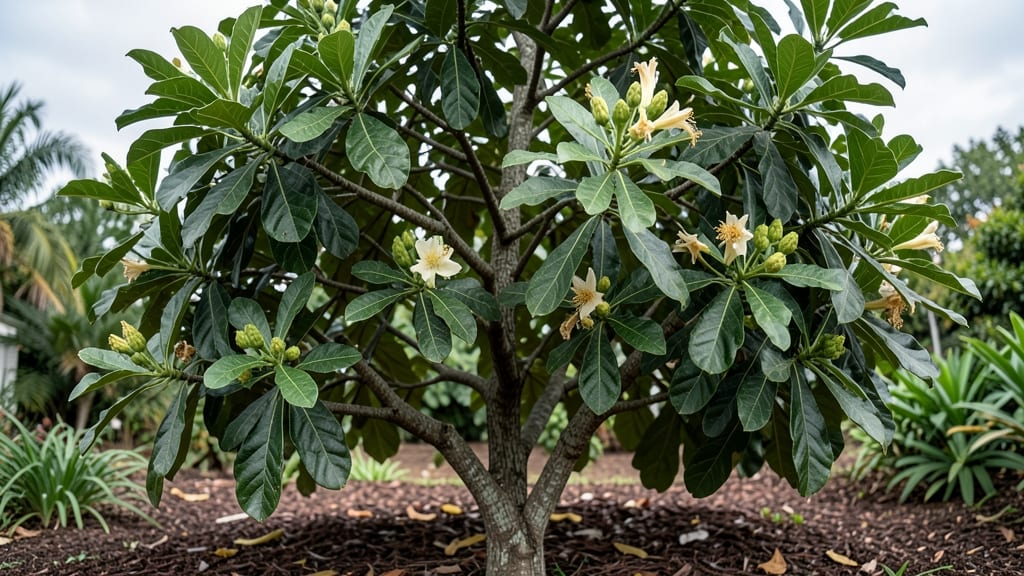
Understanding the avocado flower stages is the difference between a tree laden with fruit and one that barely sets a single pear.
Struggling to tell male from female blooms or wondering why your tree isn’t producing? You’re not alone—even experienced growers miss the subtle cues that separate a good harvest from a bust.
The key lies in recognizing each phase, from the first bud swell to the moment pollen meets stigma, and knowing how to support the process.
Avocados have three flower types (A, B, and C), each with its own cycle, and they only bloom for one day. Miss that window, and your fruit potential vanishes before it begins.
In this guide, I’ll walk you through every stage—what to look for, how to encourage pollination, and why some flowers drop before they can set fruit.
By the end, you’ll know exactly when to intervene, how to hand-pollinate if needed, and the environmental tweaks that make all the difference. Let’s turn those blossoms into avocados.
Avocado flower stages explained: a to z of male, female, and combined flowers
Understanding your avocado tree’s flower stages is crucial for a successful harvest. Avocados have a unique three-flower cycle system—Type A, Type B, and combined flowers—each with distinct characteristics. These cycles ensure cross-pollination between compatible trees, but mismatched cycles can lead to poor fruit set.
Let’s break down each stage so you can identify them and optimize pollination.
Avocado flowers emerge in spring clusters along the tree’s branches. The first visible sign is small, green buds that swell before opening. These buds develop into one of three flower types: male flowers, female flowers, or combined flowers.
Each type has a specific role in pollination, and recognizing them early helps you intervene if nature falls short.
The pre-bloom stage is your first chance to spot differences. Type A flowers start as tight green clusters that swell quickly, while Type B buds appear slightly later and larger.
Combined flowers are the easiest to identify—they’re noticeably bigger from the start. Pay close attention to the bud size and cluster density to distinguish them early.
During the bloom phase, Type A (male) flowers open first with pale yellow-green petals and no visible stigma. Type B (female) flowers follow, featuring a prominent stigma at their center.
Combined flowers have both structures, making them the most versatile. This stage lasts only 2-4 days, so timing is critical for hand-pollination if your tree lacks compatible neighbors.
Post-bloom is where the magic—or disappointment—happens. After petals wilt, you’ll see tiny fruit bumps forming on female or combined flowers. If pollination failed, these bumps will drop within 7-10 days.
Keep an eye out for uneven fruit set, which often signals mismatched flower cycles or poor pollination conditions like low humidity or wind.
One common mistake is assuming all flowers are female. Type A (male) flowers won’t produce fruit, so counting them as potential fruit set is a rookie error. I once saw a gardener prune off what they thought were "failed female flowers"—only to realize they’d removed all the males needed for cross-pollination!
How to hand-pollinate avocado flowers for maximum fruit set
If your avocado tree is blooming but producing few fruits, hand-pollination might be the solution. Avocados have a unique reproductive system where male and female flowers appear on separate cycles (Type A and Type B). Without intervention, mismatched cycles can lead to poor fruit set.
Hand-pollination mimics nature by transferring pollen from male to female flowers using simple tools. This method works best during the peak bloom period, typically in spring when flowers are fully open. Let’s walk through the process step-by-step to maximize your tree’s fruit production.
Step-by-Step Guide to Hand-Pollination
- 1 Identify male and female flowers: Male flowers have long stamens with yellow pollen, while female flowers have a small bulbous base and no stamens. Use a magnifying glass if needed.
- 2 Gather tools: You’ll need a soft paintbrush, small bowl, and tweezers. A hand lens helps spot pollen grains.
- 3 Collect pollen: Gently tap a male flower over the bowl to release pollen. Alternatively, use the paintbrush to brush stamens and collect pollen on its bristles.
- 4 Transfer pollen: Dip the brush into the pollen or gently brush it over the female flower’s stigma (the small bump at the base). Repeat for 10-15 flowers per session.
- 5 Timing matters: Pollinate on dry, sunny mornings between 8 AM and 10 AM when flowers are fully open. Avoid humid or windy days to prevent pollen loss.
- 6 Monitor progress: After 2-3 weeks, check for tiny fruit forming at the base of pollinated flowers. If no fruit appears, repeat the process or check for pollen viability.
For trees with Type A and Type B cycles, coordinate pollination between neighboring trees. If you only have one tree, consider planting a second variety to ensure cross-pollination. Remember, patience is key—avocado fruit takes 6-9 months to mature after pollination.
Hand-pollination increases your chances of a successful harvest, especially in areas with limited natural pollinators like bees. With practice, you’ll become more efficient and may even see a 30-50% increase in fruit set compared to leaving it to chance.
Pro tip: Keep a pollination journal to track which flowers produce fruit. This helps you refine your technique for future seasons and understand your tree’s specific needs.