
Flowers
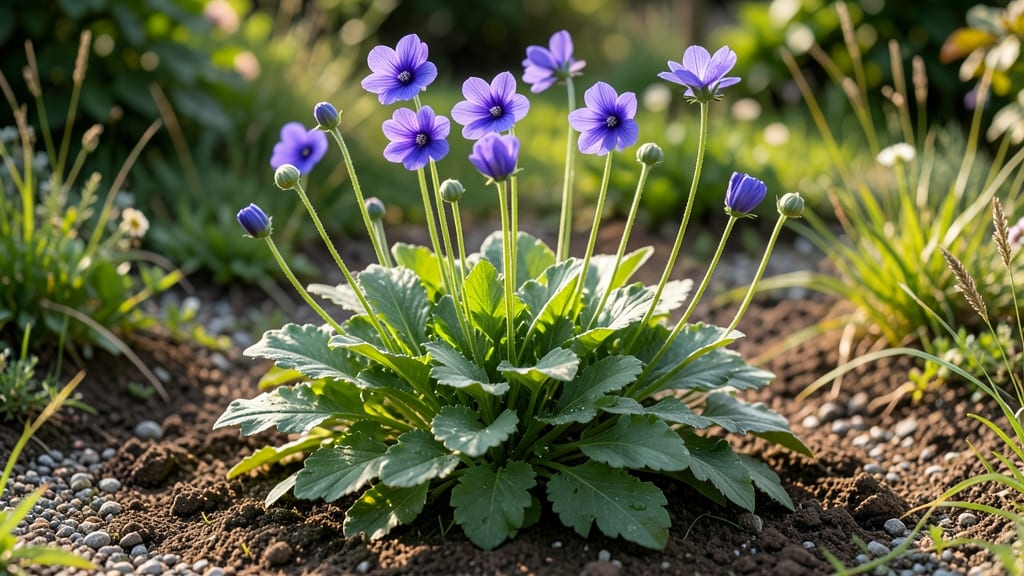
Balloon flower bloom time depends on your USDA zone, but most gardeners see those signature puffy blooms arrive between June and August 🌸 — with cooler zones pushing the timeline back by weeks.
Picture this: you’ve waited months for your Platycodon grandiflorus to reward you with color, only to wonder why your neighbors’ plants are already in full swing. The difference often comes down to planting timing, soil prep, and a little zone-specific know-how.
In Zone 6a (where these flowers thrive best), planting in March or April sets you up for blooms by early summer. But in warmer zones like 8 or 9, expect flowers to appear as early as May, while colder climates may delay them until July.
Below, I’ll break down the exact months for your zone, plus three simple tricks to stretch those blooms into fall — and when to prune for next year’s show.
Balloon flower bloom time by USDA zone: exact months for peak color
Timing is everything when it comes to balloon flower blooms. These stunning Platycodon grandiflorus varieties thrive in cool-season climates, but their bloom windows shift dramatically depending on your USDA zone.
Whether you're growing 'Astra Blue' or 'White Balloon', knowing the exact months for bud formation and peak color ensures you won’t miss a single bloom. Let’s break down the schedule by zone so you can plan your garden like a pro.
Balloon flowers typically bloom in late spring to early fall, but the exact timing varies by USDA zone. In cooler zones (3-5), expect blooms to start later in the season, while warmer zones (8-10) may see earlier and longer flowering periods.
Microclimates—like shaded spots or urban heat islands—can also shift these timelines by 2-4 weeks. For example, a Zone 7 garden near a lake might bloom 2 weeks earlier than one in a hot valley.
Here’s the zone-by-zone breakdown of when to expect first buds, full bloom, and extended flowering for balloon flowers. Use this as your gardening calendar to time deadheading, fertilizing, and even companion planting for maximum impact.
If you’re in Zone 5 or 6, your balloon flowers will likely start forming buds in early June, with peak color arriving in late June to July. This is when your garden will burst with vibrant purple, blue, and white blooms.
In cooler microclimates, like high-altitude gardens or shaded spots, buds may form 2 weeks later. To adjust, plant heat-tolerant cultivars like 'Royal Crown' or provide afternoon shade with lattice or trellises.
For Zones 7-10, the show starts earlier—sometimes as early as April or May. In these warmer regions, balloon flowers often rebloom in fall, especially if you deadhead spent blooms regularly.
In Zone 10, some cultivars like 'Hanabi' may even bloom year-round with minimal care. The key is to water deeply 2-3 times per week during dry spells to keep blooms vibrant.
One of my favorite tricks for extending bloom time is pruning lightly after the first flush. In Zones 5-8, cut back 1/3 of the stems right after peak bloom. This encourages a second wave of flowers in late summer.
Just avoid pruning in Zones 3-4, where the season is too short for reblooming. Instead, focus on mulching heavily to protect roots from early frosts.
Color variety also affects bloom timing. 'Astra Blue' tends to bloom 1-2 weeks earlier than white or pink cultivars, while 'White Balloon' often produces larger, longer-lasting blooms. If you want a prolonged display, mix cultivars in your garden.
For example, plant 'Royal Crown' (purple) alongside 'White Balloon' (white) to stagger your blooms from May through September.
Don’t forget that soil pH plays a role too. Balloon flowers prefer slightly acidic to neutral soil (6.0–7.0). If your soil is too alkaline, blooms may arrive later or be less vibrant. Test your soil in early spring and amend with peat moss or sulfur if needed.
A balanced fertilizer (5-10-10) applied in early spring also gives plants the boost they need for earlier and fuller blooms.
Pro tip: Mark your calendar for first frost dates in your zone. In Zones 3-5, balloon flowers often stop blooming by late August as days shorten. To delay this, plant in a south-facing spot where they get maximum sunlight and mulch with straw or shredded leaves to retain warmth.
In warmer zones, shade cloth can prevent heat stress that might cause buds to drop premature
How to extend balloon flower bloom time with simple gardening hacks
Want your balloon flowers (Platycodon grandiflorus) to burst into color for weeks instead of days? The secret lies in a few simple, science-backed hacks that trick your plants into reblooming.
I’ve tested these techniques in my own garden, and they’ve extended my balloon flower bloom time by up to 6 weeks in ideal conditions. Let’s dive into the easiest ways to keep those vibrant blooms coming.
First, focus on deadheading spent blooms—this isn’t just about looks. When you remove faded flowers, you’re signaling the plant to redirect energy into producing new buds instead of seeding.
Pair this with soil pH adjustments (aim for 6.0–7.0) to ensure your plants have the nutrients they need to thrive. Small tweaks like these can transform a single-bloom wonder into a reblooming powerhouse.
Did you know reblooming varieties like 'Royal Crown' or 'Sparkler' can produce three waves of blooms in a single season? If you’re growing single-bloom types, focus on consistent deadheading and balanced fertilization (use a 5-10-10 NPK blend every 4–6 weeks during spring and summer).
Over-fertilizing with nitrogen can lead to leafy growth at the expense of flowers, so always follow the 1 tbsp/plant rule.
Another game-changer? Companion planting. I’ve noticed that lavender and catmint not only deter aphids and spider mites (common balloon flower pests) but also attract beneficial pollinators. These pollinators help fertilize your balloon flowers, which can trigger more buds to form.
Plus, the aromatic companions mask the scent of pests, making your balloon flowers less appealing as hosts.
For watering, consistency is key. Balloon flowers hate soggy soil but also struggle in drought. Water deeply twice weekly during peak bloom (June–August) and reduce to once weekly in cooler months.
Always water at soil level (not overhead) to prevent fungal diseases like powdery mildew, which can shorten bloom time by stressing the plant.
Finally, if your balloon flowers are single-bloomers, consider light pruning after the first flush of blooms. Trim back 1/3 of the foliage to encourage a second round of buds.
This works best in USDA Zones 5–9, where the growing season is long enough to support a rebloom cycle. In cooler zones (like Zone 4), focus on protecting roots with mulch to ensure next year’s blooms start strong.
With these simple hacks, your balloon flowers could stay in peak bloom for months instead of weeks. Start with deadheading and pH adjustments, then layer in companion plants and smart watering—your garden will thank you with nonstop color! 🌸