
Vegetables
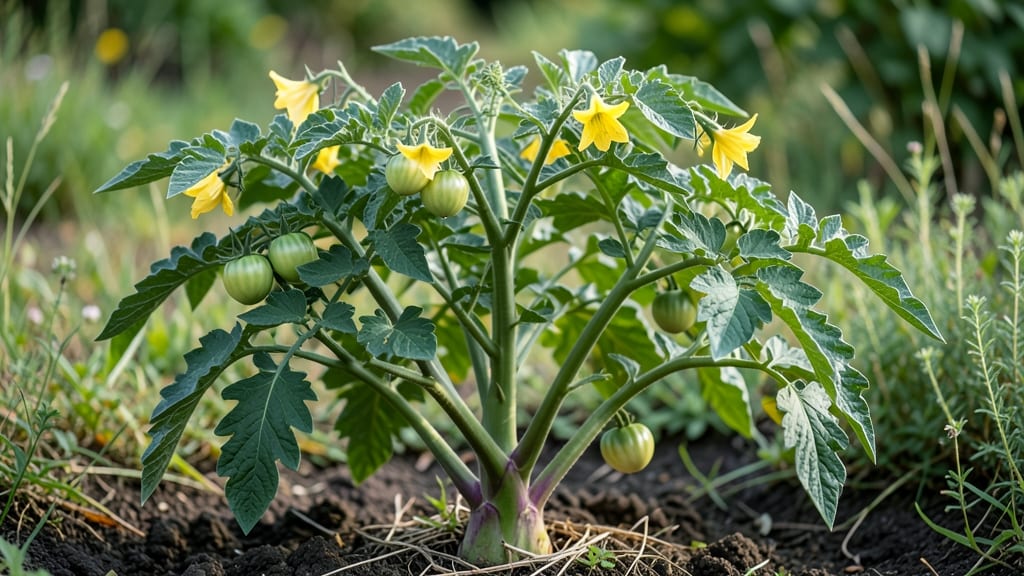
Those purple-stemmed "banana legs" on your tomatoes aren't just a quirky look—they're usually a cry for help from your plants. 🌱 I've seen this happen after years of trial and error, and the fixes are simpler than you'd think.
Most cases boil down to three culprits: nutrient imbalances, watering gone wrong, or stress from sudden changes.
The first step is checking your soil—especially potassium, calcium, and magnesium levels. A quick fix is adding 1 tablespoon of Epsom salt per gallon of water (magnesium) or crushed eggshells (calcium) every 2 weeks.
Overwatering creates the same symptoms as drought, so let the top 2 inches dry out between waterings. Temperature swings above 90°F or below 55°F also trigger this reaction.
Once you correct the root cause, prune affected stems back to healthy green growth. This isn't just cosmetic—it redirects the plant's energy to productive fruit. Within 2-3 weeks, new stems should emerge with normal green color, and your plants will rebound with better flavor too.
The key is consistency: once you fix one issue, watch for others creeping in.
For stubborn cases, grab a soil test kit ($20 at garden centers) to rule out hidden deficiencies. Most home gardens can fix banana legs without it, but when in doubt, science wins. The payoff? Tomatoes that look as good as they taste—no more purple stems ruining your harvest's curb appeal.
📚 In This Guide
- What you need
- Instructions
- Tips and common mistakes
- Wrapping up and next steps
What you need
- ● Banana Legs Tomatoes (1–2 lbs) – Choose firm, ripe ones with vibrant purple stems for the best flavor and texture.
- ● Extra Virgin Olive Oil (2 tbsp) – For a rich, fruity base that enhances the tomatoes’ natural sweetness.
- ● Fresh Garlic (2–3 cloves, minced) – Adds a punchy, aromatic depth to balance the tomatoes’ sweetness.
- ● Fresh Basil (½ cup, chopped) – A classic pairing that brightens the dish with its herbal notes.
- ● Red Wine Vinegar (1 tbsp) – Adds a tangy kick to complement the tomatoes’ natural acidity.
- ● Salt (to taste) – Enhances all the flavors without overpowering.
- ● Black Pepper (freshly cracked, to taste) – Adds a subtle, earthy warmth.
- ● Sharp Chef’s Knife (or Tomato Knife) – For clean, precise cuts without crushing the tomatoes.
- ● Cutting Board (medium/large size) – A stable surface to prep your ingredients safely.
- ● Mixing Bowl (medium size) – To toss the tomatoes with the dressing.
- ● Wooden Spoon or Spatula – For gentle stirring and mixing.
- ● Measuring Spoons – To ensure perfect ratios for the dressing.
- ● Serving Platter or Bowl – For showcasing your gorgeous Banana Legs Tomato creation!
- ● Balsamic Glaze (1 tsp, drizzled last) – Adds a glossy, caramelized sweetness for extra wow factor.
- ● Toasted Pine Nuts or Walnuts (2 tbsp, chopped) – For a delightful crunch and nutty contrast.
- ● Fresh Mozzarella or Feta (crumbled, ¼ cup) – Adds a creamy, salty dimension if you love cheese pairings.
- ● Chili Flakes (pinch) – For a subtle heat that elevates the dish.
Step-by-Step guide to growing Banana Legs tomatoes
Here's how I grow these stunning purple-stemmed beauties with juicy, sweet fruit every season.
🌱 Step 1: Start Seeds Indoors 8-10 Weeks Before Last Frost
Fill 2-3 inch deep biodegradable pots with seed-starting mix, pressing it down lightly so it's firm but not compacted. The Banana Legs variety germinates best at 75-85°F, so I use a seedling heat mat underneath my seed trays. Plant 1-2 seeds per pot at a depth of ¼ inch—any deeper and they'll struggle to break through.
Cover the pots with plastic wrap to trap warmth and moisture, then place them in indirect light. Keep the soil consistently moist but never soggy—you'll see condensation form on the plastic, which is perfect. Within 7-14 days, you'll spot tiny sprouts pushing through the soil. That's your signal to remove the plastic immediately to prevent damping-off.
☀️ Step 2: Provide Strong Light and Prevent Leggy Growth
The moment those first true leaves appear, move your seedlings under a grow light positioned 2-4 inches above the plants. Banana Legs tomatoes need 14-16 hours of light daily to develop their signature purple stems and prevent weak, leggy growth. You'll know your light is working when the seedlings grow thick, dark green stems with leaves spaced 1 inch apart.
Rotate the pots a quarter turn daily so they don't lean toward the light. If you notice stems stretching toward the window or growing pale, your light source is too far away. Strong seedlings should have thick stems and compact growth—this variety needs all the support it can get for those heavy purple stems.
🪴 Step 3: Transplant After All Frost Danger Has Passed
Choose a sunny spot that gets 6-8 hours of direct sunlight daily—Banana Legs tomatoes thrive in full sun but can tolerate light shade in hot climates. Prepare the soil by mixing in 2-3 inches of compost to enrich it for the heavy fruiting this variety produces. Dig holes twice as wide as the root ball but no deeper to avoid burying the stem.
Plant your seedlings 18-24 inches apart in rows 3-4 feet apart to give those purple stems room to grow. Water deeply right after transplanting to settle the soil and encourage root growth. You'll know your plants are established when they start producing new leaves within 1-2 weeks—this signals they've recovered from the transplant shock.
✂️ Step 4: Prune and Support for Heavy Purple Stems
Install sturdy tomato cages or stakes immediately after transplanting—those purple stems can get 3-4 feet long and heavy with fruit. I prune suckers (the small shoots that form in the joint between the stem and branches) regularly to direct energy into fruit production. Remove any suckers smaller than your pinky finger to keep the plant's energy focused on the main stems.
Pinch off the first flower cluster that appears to encourage stronger stem growth before fruiting. Once the plant is established, you'll see those iconic purple stems developing—this is when the real magic happens. The stems will turn a deep purple when exposed to full sun, adding a stunning visual element to your garden.
💧 Step 5: Water and Fertilize for Sweet, Juicy Fruit
Water at the base of the plant 1-2 inches deep 2-3 times per week, adjusting for rainfall. Banana Legs tomatoes need consistent moisture, especially during fruiting, but avoid wetting the leaves to prevent disease. You'll know your watering is right when the top 1-2 inches of soil feel dry between waterings.
Fertilize every 2-3 weeks with a balanced tomato fertilizer to support the heavy fruiting. You'll notice the fruit developing a sweet, tangy flavor as it ripens—this variety is known for its unique taste. Harvest when the fruit turns a deep red color and feels slightly soft to the touch. The purple stems will fade as the fruit matures, but they'll return next season if you save seeds from your best tomatoes.
Tips & tricks for growing stunning purple-stemmed tomatoes
Real talk: Growing Banana Legs tomatoes isn't just about planting seeds—it's about creating the perfect conditions for those iconic purple stems and sweet fruit. Here's what I've learned after watching mine go from spindly seedlings to heavy-fruited plants with vibrant stems.
Germination Temperature: Those 75-85°F temperatures in Step 1 aren't just suggestions—they're critical. I learned this the hard way when my first batch took 21 days to sprout instead of 7-14. If your kitchen runs cool, invest in a seedling heat mat or place pots on top of your fridge. The difference between fast, strong germination and slow, weak starts is dramatic.
Lighting Strategy: The 14-16 hours of light in Step 2 is non-negotiable for those purple stems. I use a simple LED grow light on a timer, positioned 3 inches above the seedlings. Watch for leaves growing toward the light—this means you need to rotate them daily or move the light. The goal is compact, sturdy growth, not leggy plants that'll flop when you transplant.
Transplant Timing: The 1-2 week window for new leaf growth after transplanting (Step 3) tells you everything about your plants' health. If you don't see new growth within 2 weeks, your plants are struggling—either from transplant shock or poor soil conditions. Amend your soil with extra compost if needed, and consider using a rooting hormone for extra insurance on those delicate purple stems.
Pruning Precision: When removing suckers in Step 4, size matters. I use my pinky finger as a guide—anything smaller gets pinched off immediately. Larger suckers can be left to develop into secondary stems if you want more fruit, but this reduces the plant's energy for the main stems. Those purple stems need all the support they can get to hold up under the weight of ripe tomatoes.
Pro Tips for Banana Legs Tomato
- Real talk: Growing Banana Legs tomatoes isn't just about planting seeds—it's about creating the perfect conditions for those iconic purple stems and sweet fruit.
- Germination Temperature: Those 75-85°F temperatures in Step 1 aren't just suggestions—they're critical.
- Lighting Strategy: The 14-16 hours of light in Step 2 is non-negotiable for those purple stems.
Frequently asked questions
Got questions about banana legs tomatoes? We’ve got answers!
Whether you’re curious about growing, cooking, or troubleshooting these unique purple-stemmed gems, here’s what you need to know.
What are banana legs tomatoes, and why do they have purple stems?
Banana legs tomatoes are a heirloom variety with purple stems and calyxes (the flower remnants at the top). The name comes from their elongated, banana-like shape when ripe. The purple pigment is natural—no dye!—and adds a striking visual contrast to their red-orange flesh.
How long does it take for banana legs tomatoes to ripen?
From transplanting seedlings, expect 70–85 days to harvest. Purple stems appear early (as flowers form), but full ripeness takes another 2–4 weeks after blooming. Pro tip: Check for color shift from green to orange-red and a slight softness when gently squeezed.
Can I substitute banana legs tomatoes in recipes?
Their sweet, meaty texture works like beefsteak or Roma tomatoes. Swap 1:1 in sauces, salads, or salsas. For purple-stemmed drama, slice stems into garnishes—they’re edible and add a mild earthy note. Try them in: bruschetta, gazpacho, or roasted tomato soup.
Why are my banana legs tomato stems turning yellow or brown?
Yellow/brown stems often signal overwatering, disease (like blight), or nutrient deficiency. Check soil moisture (keep it consistently damp but not soggy). If spots appear, prune affected stems and treat with neem oil or copper fungicide. Prevent it: Space plants for airflow and rotate crops yearly.
Are the purple stems edible, and do they taste different?
Yes! The stems are edible and mild-flavored, with a slightly tangy, herbal bite. While not as sweet as the fruit, they’re delicious in infusions (like vinegar or oil) or chopped into salads. Fun fact: They’re packed with antioxidants—double the nutrition!
Wrapping up and next steps
Embrace the unique charm of banana legs tomato—those striking purple stems and sweet, garden-fresh flavors! This versatile ingredient isn’t just a conversation starter; it’s a burst of color and nutrition waiting to elevate your dishes.
Whether you’re roasting, blending into salsas, or simply savoring them raw, these tomatoes prove that unexpected ingredients can create unforgettable meals. 🌱✨
Ready to level up your cooking? Start small—try swapping a few tomatoes in your next recipe and let the bold flavors inspire you. Happy harvesting (or shopping!) and happy cooking!