
Vegetables
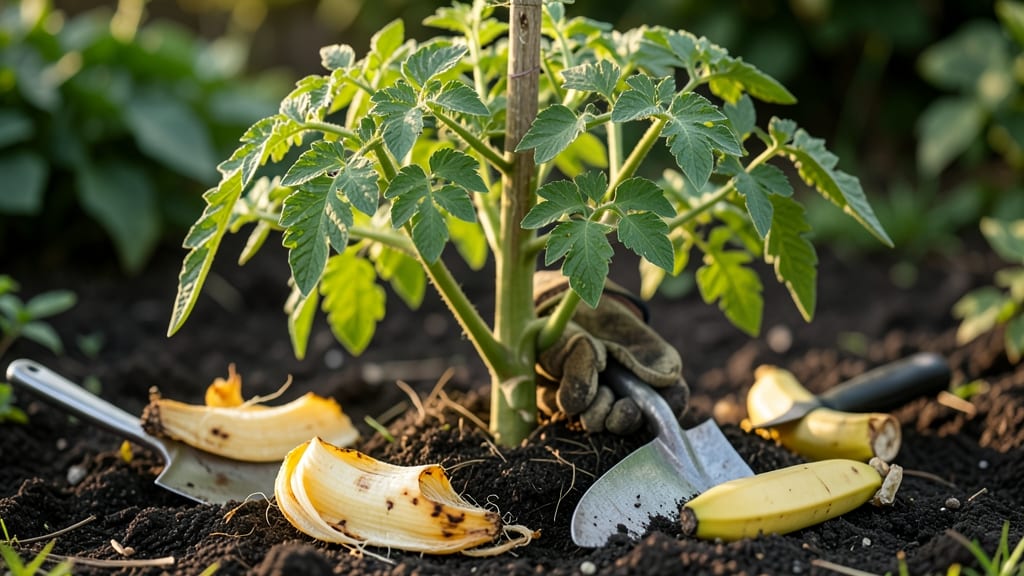
My tomato plants stopped dropping blossoms after I started burying banana peels in the soil—potassium-rich and free from the grocery store. 🌱 The science is simple: tomatoes need potassium for fruit set, and banana peels deliver it in a slow-release way that won’t burn roots like synthetic fertilizers.
What’s wild is how quickly the results show up—within weeks, my plants kept flowers and fruit without the usual midseason disappointment.
You don’t need fancy prep: just chop the peels into 1-inch chunks (or use whole peels for smaller pots) and bury them 2-3 inches deep near the base of the plant. Do this every 4-6 weeks during the growing season, and pair it with a balanced fertilizer for best results.
The peels also attract earthworms, which aerate the soil and help roots absorb nutrients—nature’s built-in soil boost.
By late summer, you’ll see plump, disease-resistant tomatoes hanging heavy on the vine, not just a few sad fruits at the bottom. The peels break down slowly, so you won’t get a sudden potassium spike (which can cause blossom end rot).
Just avoid overdoing it—3-4 peels per plant is plenty unless your soil tests show a deficiency.
This trick works for container tomatoes, raised beds, or in-ground gardens, and it’s a great way to repurpose kitchen scraps. If you’re worried about pests, bury the peels instead of leaving them on top—squirrels and raccoons might get ideas.
For even better results, pair the peels with crushed eggshells (for calcium) and wood ash (for pH balance).
📚 In This Guide
- What you need
- Instructions
- Tips and common mistakes
- Wrapping up and next steps
What you need
- ● Banana peels: 5-10 fresh, organic peels (the more, the merrier—just avoid moldy ones!)
- ● Tomato plants: Healthy, established plants (indoor or outdoor) with visible blossoms.
- ● Water: Enough to soak the peels and hydrate the soil.
- ● Garden soil or potting mix: Well-draining, nutrient-rich soil (compost or organic matter helps!).
- ● Small knife or scissors (to chop peels into smaller pieces).
- ● Gloves (if you prefer not to handle peels directly).
- ● Compost bin or bucket (for storing peels until use).
- ● pH testing kit (to monitor soil acidity—banana peels slightly acidify soil).
How to use banana peels to boost tomato growth and reduce blossom drop
Here’s how I transform banana peels into a nutrient powerhouse for tomatoes—no compost pile required.
🌱 Step 1: Harvest and Prepare the Peels
Collect 4-6 ripe banana peels—the riper, the better. Rinse them quickly under cold water to remove any residue, then pat dry with a paper towel. You want them clean but not soaked; excess moisture speeds up decomposition and can attract pests. I like to cut them into 1-inch strips for faster breakdown, though whole peels work too.
Place the peels in a small container or sealable bag. If you’re using them immediately, skip storage—just bury them fresh. If saving, store them in the fridge for up to 5 days to slow fermentation. The key is to use them before they start to mold, which can introduce harmful bacteria to your soil.
☀️ Step 2: Bury Peels Near Tomato Plants
Dig a small hole, about 2 inches deep, near the base of your tomato plant—3-4 inches away from the stem to avoid direct root contact. This prevents the peels from sitting too close to the plant’s main roots, which could cause rot. I like to place 1-2 peels per hole, depending on their size, and cover them completely with soil.
Do this every 2-3 weeks during the growing season. You’ll notice the soil around these spots becomes slightly darker and richer over time—that’s potassium and phosphorus from the peels breaking down. This is especially helpful for tomato plants struggling with blossom end rot or weak fruit set.
💧 Step 3: Water and Monitor for Results
After burying the peels, water the area lightly but thoroughly to help kickstart decomposition. The peels will break down within 1-2 weeks, releasing nutrients into the soil. You’ll see the soil around the buried peels look slightly damp and darker than the rest—this is a good sign the nutrients are being absorbed.
Watch for stronger stems, larger leaves, and fewer dropped blossoms. Tomatoes need a steady supply of potassium to develop fruit, and banana peels are a natural, slow-release source. If you’re growing in containers, reduce the amount to 1 peel every 4 weeks—too much can overwhelm the small root system.
✂️ Step 4: Supplement with Additional Nutrients
While banana peels provide potassium, tomatoes also need nitrogen for leaf growth and phosphorus for root development. After using peels for 4-6 weeks, mix in a balanced 10-10-10 fertilizer or compost around the base of the plant. This ensures your tomatoes get a full spectrum of nutrients without over-relying on one source.
I also recommend side-dressing with crushed eggshells every 6 weeks for extra calcium, which helps prevent blossom end rot. The combination of banana peels, eggshells, and a balanced fertilizer creates a nutrient-rich environment that keeps tomatoes thriving from seedling to harvest.
Tips & tricks for perfect banana peel tomato fertilizer
Here’s how to maximize the benefits of this zero-waste gardening hack without common pitfalls.
Selection Tip: The riper the banana peel, the more potassium it contains—look for peels with brown spots and soft texture. Overripe peels with blackened areas still work, but avoid any that show mold or slimy texture, as these can introduce harmful pathogens to your soil. I’ve found that organic bananas often yield slightly more nutrient-rich peels compared to conventional ones.
Decomposition Speed: In Step 3, when you bury the peels, their breakdown rate depends on your climate. In warmer regions (above 75°F), peels decompose in just 7-10 days, while cooler climates may take the full 1-2 weeks. If you notice peels lingering too long, chop them into smaller pieces—this increases surface area for faster nutrient release. The darker and richer the soil around the buried peels becomes, the more effective the treatment is working.
Container Adaptation: For container-grown tomatoes, reduce the frequency to every 4 weeks instead of the standard 2-3 weeks. The smaller root system can’t handle as much potassium at once, and overloading can actually stress the plant. I’ve seen container tomatoes show signs of potassium toxicity when given too many peels too quickly—yellowing leaves and stunted growth are telltale signs to cut back.
Complementary Pairing: In Step 4, when you add eggshells for calcium, crush them into a fine powder for maximum absorption. The eggshells should be completely dry before burying—moist eggshells can clump and prevent proper decomposition. I like to bake eggshells at 200°F for 10 minutes to sterilize them before crushing, which helps prevent any potential bacterial issues in the soil.
Pro Tips for Banana Peel For Tomatoes
- Here’s how to maximize the benefits of this zero-waste gardening hack without common pitfalls.
- Selection Tip: The riper the banana peel, the more potassium it contains—look for peels with brown spots and soft tex...
- Decomposition Speed: In Step 3, when you bury the peels, their breakdown rate depends on your climate. In warmer regi...
Frequently asked questions
Got questions about using banana peels for your tomato plants? You’re not alone—this trick is game-changing but can feel a little mysterious at first. Here’s what you need to know before diving in!
Why do banana peels help prevent blossom drop in tomatoes?
Banana peels are packed with potassium, a nutrient tomatoes crave—especially during flowering and fruiting. Low potassium can cause blossom end rot or dropped flowers. The peels also improve soil structure, helping roots absorb water and nutrients more efficiently. Think of it as a natural fertilizer boost!
How long does it take to see results after using banana peels?
You won’t see overnight miracles, but many gardeners notice improvements within 2–4 weeks. For best results, use banana peels consistently (every 2–4 weeks) during the growing season. Patience pays off—healthier plants mean more tomatoes!
Can I use banana peels from store-bought bananas?
Yes! Store-bought peels work just fine, but avoid peels treated with wax coatings or pesticides (common on conventional bananas). Rinse them well to remove residue. For extra safety, opt for organic bananas or peel them yourself at home.
What’s the best way to apply banana peels to tomato plants?
There are three easy methods:
- Direct burial: Chop peels into small pieces and bury them 1–2 inches deep near the plant’s base.
- Compost tea: Steep peels in water for 2–3 days, strain, and use as a foliar spray or soil drench.
- Mulch layer: Spread whole or chopped peels around the plant (not touching stems) to decompose slowly.
Pro tip: Rotate methods to maximize benefits!
What if my tomatoes still drop flowers after using banana peels?
Blossom drop can stem from multiple issues, not just potassium. Check for:
- Inconsistent watering (keep soil evenly moist, not soggy).
- Temperature swings (tomatoes thrive in 70–85°F; extreme heat/cold stresses plants).
- Over-fertilizing with nitrogen (focus on balanced NPK, like 5-10-10).
If the problem persists, test your soil’s pH (aim for 6.0–6.8) or try a calcium-rich supplement like crushed eggshells.
Are there alternatives to banana peels for tomato care?
If banana peels aren’t available, try these potassium-rich swaps:
- Wood ash (sprinkle lightly around plants—use sparingly to avoid raising soil pH too much).
- Epsom salt (1 tablespoon per gallon of water as a foliar spray).
- Composted manure or worm castings (slow-release nutrients).
- Potato peels (another kitchen scrap with potassium!).
Each has pros and cons, so experiment to see what works best for your garden!
Wrapping up and next steps
Using banana peels for tomatoes isn’t just a clever gardening hack—it’s a game-changer for healthier plants and bigger yields! 🌱 Whether you’re composting, brewing banana peel tea, or mulching, this simple trick boosts soil nutrients, reduces blossom drop, and keeps your tomato plants thriving. Why not give it a try?
Start small—grab a few peels from your kitchen, experiment with one of the methods above, and watch your garden flourish. Happy gardening! 🌟