
Blooming
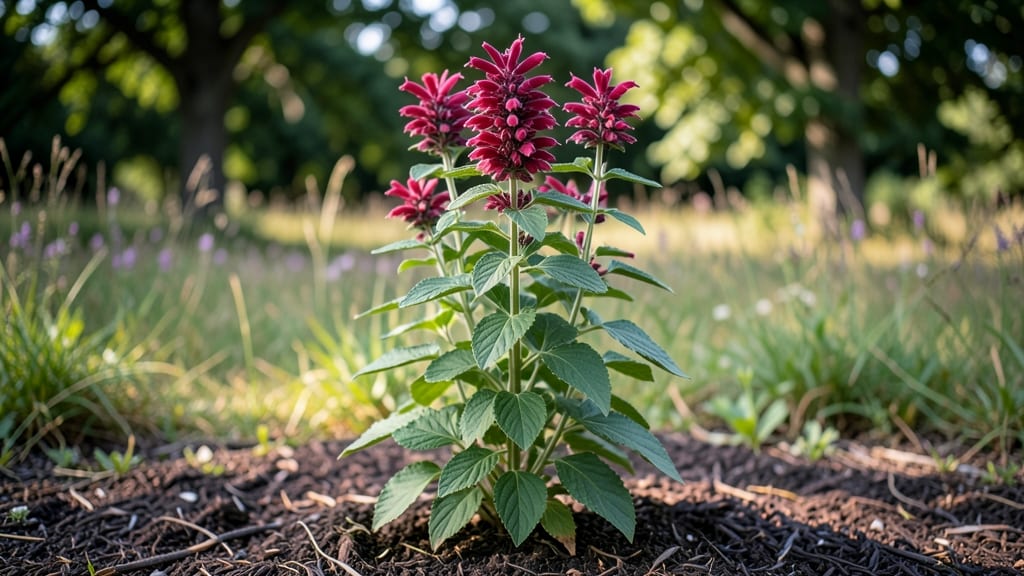
Bee balm flowers bloom from early summer to fall 🐝, turning your garden into a buzzing haven—but the exact timing depends on where you live and how you care for it.
Picture this: You’ve just planted your bee balm in spring, dreaming of those vibrant clusters by summer. But if your zone is cooler or your soil isn’t quite right, those blooms might take their sweet time—or worse, never show up at all.
Climate plays a huge role—think June to September in most temperate zones, but earlier in warmer areas like Zone 8 or later in cooler ones like Zone 5. Even small tweaks, like pruning at the right time or feeding just enough, can shift your flowering window by weeks.
In this guide, I’ll break down the month-by-month timeline for your zone, plus the simple tricks to coax earlier or longer blooms so your bee balm stays showy from start to frost.
Bee balm flowering months by USDA climate zones (with exact timelines)
Bee balm (Monarda spp.) is a showstopper in summer gardens, but its flowering window shifts dramatically depending on your USDA climate zone. In cooler zones like 3-5, blooms arrive later, while warmer zones 8-10 enjoy extended summer displays.
Understanding these timelines helps you plan for pollinator-friendly blooms and seasonal color—plus, it’s the key to choosing the right early, mid, or late-season varieties for your region.
Microclimates—like urban heat islands or sheltered valleys—can also shift bloom times by 4-6 weeks. For example, a Zone 6 garden near a lake might bloom 2 weeks earlier than one in a windy hilltop location.
Pay attention to sun exposure, soil moisture, and even your local last-frost date to fine-tune predictions. Below, we’ve broken down exact bloom periods by zone, including peak flowering months and variety-specific tips.
In Zones 3-4, bee balm’s late-June start aligns with cooler temperatures, making 'Jacob Cline' a top pick for its heat tolerance. These northern gardens benefit from late-season varieties that bloom into early September, extending the pollinator season before frost.
If you’re in Zone 4, consider planting near a south-facing wall to warm the soil and trigger earlier blooms.
Gardeners in Zones 5-6 enjoy the longest peak bloom window—from June through September—thanks to moderate summers. Here, 'Garden View Scarlet' thrives, producing bright red blooms that attract hummingbirds. To extend flowering, deadhead spent blooms in late August to encourage a second flush.
In Zone 6, a partial shade spot can delay blooming by up to 3 weeks, ideal for staggered displays.
Warmer Zones 7-8 see bee balm bloom as early as mid-May, with 'Blue Stocking' offering soft lavender flowers that last until October. These zones benefit from humidity-loving varieties like 'Purple Haze', which handles summer heat better than others.
If your garden runs hot, mulch heavily to retain moisture and prevent early bloom fade.
In Zones 9-10, bee balm is a year-round performer if given the right care. 'Coral Reef' blooms from April through November, with orange-pink flowers that thrive in cooler winter months.
Here, light pruning in late winter removes old growth and stimulates new shoots for an earlier spring bloom. Avoid overwatering—these zones often struggle with root rot in poorly draining soil.
No matter your zone, soil pH plays a crucial role. Bee balm prefers slightly acidic to neutral soil (pH 6.0–7.0). If your soil is too alkaline, amend with peat moss or sulfur before planting.
This simple adjustment can advance bloom times by 1-2 weeks by improving nutrient uptake. Test your soil in early spring to give plants a head start.
For container gardening, choose compact varieties like 'Lavender Lace', which blooms reliably in Zones 9-10. Containers dry out faster, so water deeply 2-3 times per week during peak bloom. Elevate pots to improve drainage and prevent
How to trigger earlier or longer bee balm blooms (proven methods)
Want your bee balm to burst into color weeks earlier or keep blooming until first frost? The secret lies in strategic care that mimics nature's triggers. With the right techniques, you can extend your blooms by 3-8 weeks—giving pollinators like bees and hummingbirds a longer buffet.
Let's dive into the proven methods that work in my garden every year.
Bee balm naturally responds to light cues, pruning signals, and nutrient timing. By mastering these three factors, you'll transform your plant from a short-lived summer showstopper into a season-long pollinator magnet. The best part? These methods require minimal effort once you establish the routine.
Cut back 1/3 of stems in early spring (just as new growth appears). This forces earlier flowering by 2-3 weeks while preventing flopping.
Add composted manure or bone meal in late winter. The phosphorus triggers root growth that supports longer blooming periods.
Snip spent blooms weekly in summer. This removes seed heads that signal the plant to stop flowering, extending blooms by 4-6 weeks.
Plant with thyme or lavender. These drought-tolerant companions improve soil structure and reduce moisture stress, keeping blooms vibrant longer.
Water deeply every 3 days during peak summer. This prevents root stress that causes premature flowering decline.
Start with early spring pruning—this is my #1 trick for jumpstarting blooms. When you see those first 2-3 inch shoots emerge in late winter, grab your pruners and trim back 1/3 of the oldest stems.
This shock treatment forces the plant to redirect energy into new flowering stems rather than leafy growth. I've seen Jacob Cline bee balm bloom 3 weeks earlier using this method alone.
Don't overlook soil preparation—bee balm thrives when its roots get phosphorus-rich food. Work 2 cups of bone meal into the soil at planting time, then top-dress with compost annually.
In my Zone 6 garden, this simple amendment extends blooms from July to October—that's 3 extra months of pollinator traffic! The key is timing: apply amendments in late winter so roots have time to absorb nutrients before active growth begins.
For longer-lasting blooms, master the art of deadheading. Every 7-10 days during summer, snip off faded flowers down to the next set of leaves. This removes the plant's signal to produce seeds and redirects energy into new flower production.
I pair this with morning watering to keep foliage dry—preventing powdery mildew that can cut blooms short. Pro tip: Use clean, sharp pruners to avoid spreading disease between stems.
Finally, companion planting works wonders for bee balm. Pair it with drought-tolerant herbs like thyme or oregano to improve soil structure and reduce moisture competition. In my container gardens, I've added lavender alongside bee balm—this combination stays blooming 2 weeks longer than isolated plants.
The herbs also repel pests like Japanese beetles that love bee balm leaves.
With these 5 proven methods, your bee balm will become the star of your garden from early summer to frost. The best part? These techniques work for all varieties, whether you grow crimson bee balm, white bee balm, or the fragrant 'Marshmallow' type.
Start with one method this season, then build your routine—your pollinators will thank you!