
Vegetables
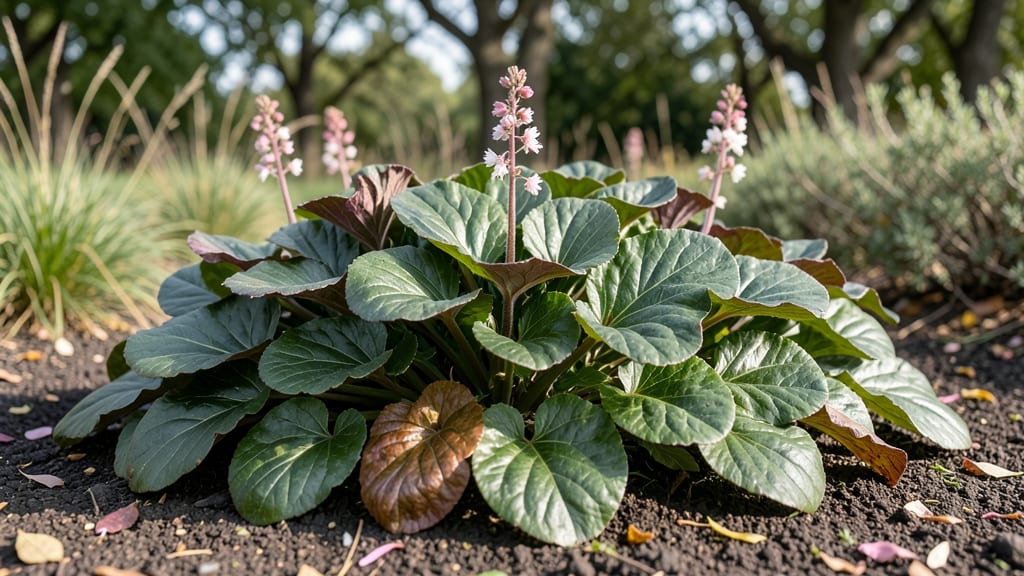
Bergenia thrives when winter arrives—its leathery leaves stay vibrant even under snow. 🌿 I’ve watched mine transform from summer’s lush foliage into a frost-kissed masterpiece, proving this plant isn’t just tough but showstopping in cold months.
The secret? Understanding how its thick, waxy leaves handle freeze-thaw cycles without damage, while its roots stay snug in the soil.
Most gardeners assume winter care means hiding plants from view, but Bergenia wants to be seen.
In zones 3-8, it barely breaks a sweat—no mulch needed unless your winters dip below 0°F. The real trick is pruning after spring’s first flush of new growth, not before, to avoid cutting off next year’s blooms. I’ve left mine unpruned through harsh winters, and it bounced back stronger.
By spring, you’ll spot fresh pink or white flower stalks emerging from those same winter-hardy leaves, a sight that makes every gardener smile. The foliage stays green all season, acting as a living mulch that suppresses weeds and retains moisture. No other ground cover gives you this much winter drama.
For those in colder climates, a light layer of straw mulch (2-3 inches) protects roots from extreme cold snaps. But honestly? My Bergenia in zone 5 has outlasted every other perennial I’ve tried—no fuss, no fussing. Just pure, stubborn beauty that refuses to quit.
📚 In This Guide
- What you need
- Instructions
- Tips and common mistakes
- Wrapping up and next steps
What you need
- ● Bergenia plants: 3–5 mature plants (for full coverage in a 4’ x 4’ area)
- ● Young plants (for propagation or filling gaps)
- ● Well-draining soil: Mix of native soil + 2–3 inches of organic compost or aged manure (per 10 sq ft)
- ● pH range: 6.0–7.0 (test kit recommended)
- ● Mulch: 2–3 inches of shredded bark, wood chips, or straw (per plant)
- ● Watering can or hose: With a gentle spray nozzle (for hydration without disturbing roots)
- ● Garden gloves: Heavy-duty for handling soil and plants
- ● Pruners or shears: Sharp, clean pair (sterilized with rubbing alcohol)
- ● Slow-release fertilizer: Balanced 10-10-10 (sprinkle lightly in early spring)
- ● Soil amendment: Perlite or sand (if your soil is heavy clay)
- ● Edging material: Stones or metal borders (to define plant beds)
- ● Protective fabric: Frost cloth (for young plants in harsh winters)
- ● Plant labels: Waterproof markers to track Bergenia varieties
How to care for Bergenia through winter’s harshest months
Bergenia thrives in winter’s chill—here’s how to keep it lush and vibrant when other plants fade.
🌿 Step 1: Prepare the Plant for Frost
Bergenia’s thick, leathery leaves handle cold beautifully, but a little prep ensures it stays healthy. In late fall, after the first hard frost, give the plant a light trim to remove any brown or damaged leaves. This prevents rot and lets fresh growth emerge cleaner in spring. I like to cut back only what’s clearly dead—never more than ⅓ of the foliage.
Mulch heavily around the base with 2-3 inches of organic mulch (like shredded bark or leaves) to insulate roots. The mulch should extend 3-4 inches out from the plant’s edges. This protects against temperature swings and keeps the soil from freezing solid. Check mulch depth in early winter—if it’s settled below 2 inches, add more.
❄️ Step 2: Protect from Extreme Cold Snaps
While Bergenia tolerates down to -25°F, prolonged sub-zero temps or wind can stress it. If your winter dips below -15°F for weeks, drape a lightweight frost cloth over the plant (not touching the leaves) to trap warmth. Secure it loosely with stakes or bricks—tight fabric can trap moisture and cause rot.
Watch for ice encasement—if heavy frost coats the leaves, gently tap them with a stick to dislodge ice. Never brush or scrape, as this damages the tough but delicate leaf surfaces. A quick shake usually does the trick. Most importantly, avoid watering during hard freezes—wet leaves freeze faster and can crack.
☀️ Step 3: Adjust Watering for Winter Dormancy
Bergenia goes semi-dormant in winter, so watering shifts from summer’s routine. Only water if the ground feels bone-dry 2-3 inches down—stick your finger in; if it’s dry past your first knuckle, it’s time. Overwatering in winter leads to soggy roots and rot, especially under thick mulch.
I use a soaker hose set to a gentle spray near the base, avoiding the leaves. Water in early morning so any moisture evaporates by nightfall. If your winters are dry and windy, a single deep watering every 3-4 weeks keeps roots hydrated without overdoing it.
✂️ Step 4: Prune and Feed for Spring Revival
Late winter (February in most climates) is prime time to prune. Cut back dead or yellowed leaves at the base, but leave the healthy, upright stems—they’ll unfurl fresh foliage by spring. If the plant looks leggy, trim 10-15% of the oldest stems to encourage bushier growth.
Feed lightly with a balanced, slow-release fertilizer (10-10-10) in early spring as new shoots appear. Avoid high-nitrogen blends—they promote leaf overgrowth at the expense of flowers. I mix ½ teaspoon of fertilizer into the soil around the base, then water deeply to distribute it evenly.
🌱 Step 5: Monitor for Pests and Diseases
Winter pests are rare, but slugs and voles may target weakened plants. Check for chewed leaves or burrows near the base in late winter. Set out beer traps (a shallow dish of beer) or diatomaceous earth around the plant as a barrier. For voles, scatter gravel or hardware cloth in a 6-inch radius—they hate rough textures.
If you spot black spots or powdery mildew on leaves (unlikely but possible in damp winters), remove affected foliage immediately. Spray with a 1% hydrogen peroxide solution (1 part peroxide to 9 parts water) to sterilize the area. Healthy Bergenia rarely gets sick, but winter stress can lower defenses.
Tips & tricks for perfect winter Bergenia care
Winterizing Bergenia isn't rocket science, but these small details make all the difference between a plant that thrives and one that struggles.
Mulch Depth Matters: The 2-3 inches of organic mulch in Step 1 is your plant's winter blanket. I've learned the hard way that settling mulch can drop below 2 inches—always check and top up after heavy snowfall. Use shredded bark or leaves, but avoid dense materials that could compact and reduce insulation. The key is keeping that root zone consistently protected from temperature swings.
Frost Cloth Technique: When temperatures dip below -15°F for weeks, that lightweight frost cloth in Step 2 needs proper placement. Drape it loosely—never touching the leaves—to prevent moisture buildup that could cause rot. I use small bricks as weights to secure the edges without crushing stems. And remember, this is temporary protection for extreme cold snaps, not a permanent cover.
Watering Wisdom: That "bone-dry 2-3 inches down" test in Step 3 is your best guide. I've seen Bergenia suffer from overwatering in winter when gardeners follow summer habits. Use a soaker hose near the base in early morning—this gives moisture time to penetrate while preventing leaf damage from wetness. For dry winters, I've found that 3-4 weeks between waterings works perfectly for established plants.
Pruning Precision: When you're ready for that late-winter prune in Step 4, focus on the 10-15% oldest stems rule. I always look for stems that are brown at the base or have lost their upright form. These are the ones to trim—never remove healthy foliage. The remaining stems will produce fresh leaves that emerge cleaner and more vibrant in spring.
Pro Tips for Bergenia In Winter
- Winterizing Bergenia isn't rocket science, but these small details make all the difference between a plant that thrives and one that struggles.
- Mulch Depth Matters: The 2-3 inches of organic mulch in Step 1 is your plant's winter blanket.
- Frost Cloth Technique: When temperatures dip below -15°F for weeks, that lightweight frost cloth in Step 2 needs proper placement.
Frequently asked questions
Got questions about keeping your Bergenia thriving through winter?
You’re not alone! Here are some of the most common queries—and straightforward answers—to help you enjoy its year-round beauty without stress.
Can Bergenia survive harsh winters without extra protection?
Bergenia is famously cold-hardy (USDA zones 3–8), but heavy snow or freezing winds can stress it. While it often survives unprotected, mulching with 2–3 inches of shredded bark or leaves in late fall adds insulation. In extreme climates (below 0°F), a light burlap wrap can prevent leaf scorch.
Why does my Bergenia look sad in winter—is it dying?
Don’t panic! Bergenia often dormant in winter—its leaves may turn brown, wilt, or even rot if soggy. Healthy roots stay alive underground. Wait until spring to prune dead foliage (after new growth appears). If leaves stay crisp and upright, it’s just hibernating!
When should I fertilize Bergenia in late winter?
Hold off until early spring (March–April) when new growth emerges. Use a balanced, slow-release fertilizer (10-10-10) or compost. Avoid winter feeding—it can stimulate tender shoots that freeze. Pro tip: A thin layer of compost in spring is gentler than synthetic fertilizers.
What’s a good winter alternative if Bergenia struggles in my climate?
If your winters are brutal (below -20°F), try these cold-tolerant ground covers:
Blackened leaves usually mean fungal disease (like leaf spot) or root rot from overwatering. Improve airflow by spacing plants 12–18 inches apart. Water at the base (avoid overhead sprinkling), and remove diseased leaves immediately. If soil stays soggy, amend with sand or gravel for drainage.
All offer winter interest with minimal care!
My Bergenia leaves are turning black—what’s wrong?
Wrapping up and next steps
Bergenia proves that winter gardening can be just as stunning as summer blooms—its leathery, evergreen leaves and early spring flowers bring color and life when many plants retreat. With minimal care and cold-hardy resilience, this ground cover is a game-changer for low-maintenance, year-round beauty.
Ready to transform your winter landscape? Start by selecting a sunny or partially shaded spot, prepping the soil, and planting your Bergenia—then sit back and enjoy its effortless elegance! For extra flair, pair it with winter-friendly companions like heuchera or ornamental grasses.
🌱 Pro tip: Snap a photo of your Bergenia in its first winter bloom—you’ll love revisiting it next season!