
Vegetables
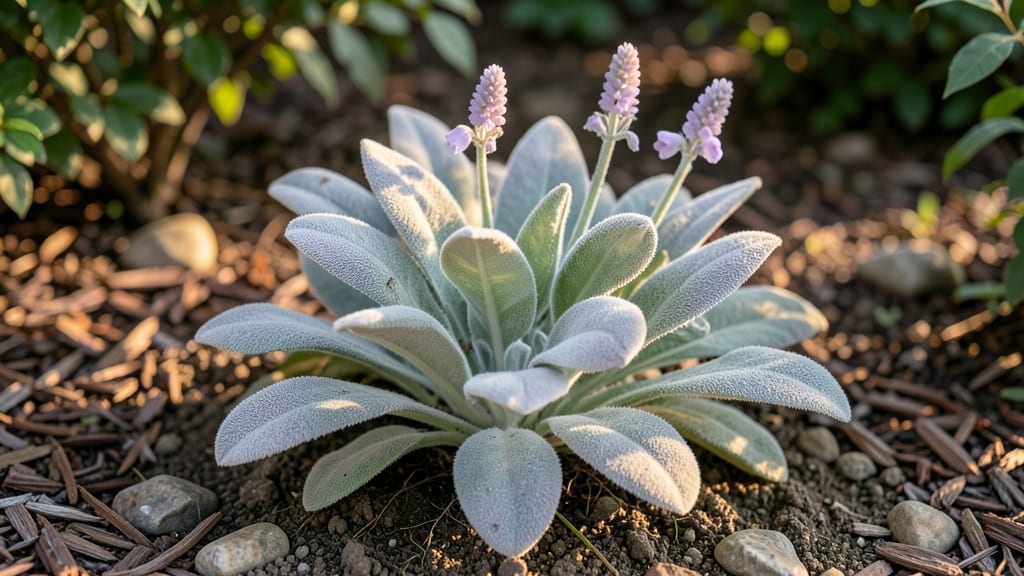
Nothing beats the velvety touch of Big Ears Lambs Ear—this cold-hardy perennial thrives where other plants struggle. 🌿 I’ve grown it for years, and its silvery-gray foliage adds texture to my garden while surviving drought and cold snaps with ease.
The key is mimicking its natural Mediterranean habitat with well-draining soil and plenty of sun.
This plant is a low-maintenance superstar. It loves full sun to partial shade and tolerates poor soil as long as it drains well. Water it deeply but infrequently—overwatering is its only real enemy.
Once established, it’s drought-tolerant, making it perfect for forgetful gardeners or dry climates. Prune back leggy stems in early spring to encourage fresh, fluffy growth.
You’ll love how it pairs with lavender, ornamental grasses, and purple coneflowers—the color contrast is stunning. It also spreads gently, filling gaps over time without being invasive.
For propagation, simply divide clumps in spring or take stem cuttings in summer. The velvety leaves stay soft all season, even after frost.
Watch for spider mites if your garden is dry, but a simple spray of water usually clears them. With its velvet foliage and resilience, Big Ears Lambs Ear is the ultimate textural plant for any garden. Once you plant it, you’ll wonder why you didn’t add it sooner!
📚 In This Guide
- What you need
- Instructions
- Tips and common mistakes
- Wrapping up and next steps
What you need
- ● Seeds or nursery plants: 5–10 seeds (if starting from seed) or 2–3 established plants (for quicker results)
- ● Well-draining soil: Mix equal parts garden soil, compost, and sand (or perlite) for optimal drainage.
- ● Containers or garden bed: Containers: 6–8" pots with drainage holes (3–5 plants per container). Garden bed: Full sun to partial shade (4+ hours of sunlight daily).
- ● Watering can or hose with gentle spray nozzle (avoid soaking the leaves).
- ○ Mulch (optional but recommended): 1–2 inches of gravel or organic mulch to retain moisture and deter weeds.
- ○ Gloves (optional—Lambs Ear is non-toxic but fuzzy! 😄).
- ● Pruning shears (for trimming dead growth in late winter).
- ○ pH testing kit (optional): Ideal soil pH: 6.0–7.0.
- ○ Fertilizer (optional): Balanced 10-10-10 or slow-release organic fertilizer (apply lightly in spring).
Step-by-Step instructions for planting and caring for big ears lamb's ear
This cold-hardy perennial thrives with minimal fuss—here’s how to grow it into a lush, velvety groundcover.
🌱 Step 1: Choose the Perfect Planting Location
Big ears lamb’s ear loves full sun to partial shade, making it versatile for gardens, borders, or even rocky slopes. I always pick a spot with 6+ hours of sunlight daily—this ensures those signature fuzzy leaves stay dense and vibrant. If your climate runs hot, provide afternoon shade to prevent leaf scorch, especially in the first growing season.
Check soil drainage before planting. Lamb’s ear hates soggy roots, so if your soil stays wet for more than a day after rain, amend with 1-2 inches of compost mixed into the top 6 inches of soil. The ideal spot has well-draining soil with a slightly alkaline pH—test with a soil kit if unsure. A slightly rocky or gravelly area works perfectly, too.
🪴 Step 2: Plant at the Right Depth and Spacing
Dig holes twice as wide as the root ball but only as deep as the container—burying too deep suffocates the plant. Gently remove the plant from its pot and loosen any circling roots with your fingers. Place it in the hole so the top of the root ball sits just below soil level—this prevents rot while encouraging shallow root spread.
Space plants 12-18 inches apart for a dense groundcover effect. I like to stagger rows in a grid pattern to fill gaps faster. Water deeply right after planting to settle the soil and eliminate air pockets. You’ll see new growth within 10-14 days if conditions are right—look for fresh, fuzzy leaves emerging from the center.
☀️ Step 3: Water Deeply and Maintain Moisture
Water 1 inch per week during the first growing season, letting the top 2 inches of soil dry slightly between waterings. Lamb’s ear stores moisture in its leaves, so it’s drought-tolerant once established, but young plants need consistent moisture. I water in the morning to reduce fungal risks—wet leaves in evening shade can lead to powdery mildew.
After the first year, reduce watering to once every 10-14 days unless your area experiences extreme heat or drought. Overwatering is the biggest mistake—yellowing leaves or mushy stems signal root rot. If this happens, let the soil dry completely before watering again.
✂️ Step 4: Prune and Maintain for Year-Round Beauty
Deadhead spent flowers in early summer to encourage more blooms and prevent self-seeding if you don’t want volunteer plants popping up. I also trim back any leggy stems to 2-3 inches above the ground in late summer to promote bushier growth. Lamb’s ear is low-maintenance, but a light pruning after flowering keeps it looking tidy.
In fall, cut back any brown or damaged foliage but leave the base intact—this protects the crown over winter. Mulch lightly with 1-2 inches of shredded bark or straw to insulate roots in cold climates. This perennial is cold-hardy down to USDA Zone 3, so it’ll bounce back year after year with minimal care.
🌿 Step 5: Divide and Propagate Every 3-4 Years
Lamb’s ear spreads slowly but benefits from division every 3-4 years to rejuvenate the plant. Dig up clumps in early spring or fall, separate the roots with a clean knife, and replant the healthiest sections. I always divide in cool weather—this reduces stress on the plant. Each division can be replanted immediately or shared with fellow gardeners.
For faster spread, snip healthy stems in early summer, strip the lower leaves, and dip in rooting hormone before planting in moist soil. Keep cuttings lightly shaded and moist until roots form (4-6 weeks). You’ll know they’ve taken when new leaves appear—this is my favorite way to fill gaps without waiting years for natural spread.
Tips & tricks for perfect big ears lamb's ear planting
These practical insights will help you cultivate a thriving, velvety groundcover that's both beautiful and resilient.
Location Intelligence: When selecting your planting spot in Step 1, pay special attention to microclimates in your yard. The north side of buildings or trees provides natural afternoon shade that protects delicate leaves from intense afternoon sun. I've found that even in hot climates, lamb's ear thrives when given this simple protection during its critical first growing season.
Root Ball Preparation: In Step 2, don't overlook the importance of loosening circling roots when transplanting. I use my fingers to gently separate any roots that have wrapped around the container—this encourages outward growth rather than compacted root balls. For container-grown plants, I even make a few small vertical cuts along the bottom of the root ball with a clean knife to promote faster establishment.
Watering Wisdom: The 1-inch-per-week guideline in Step 3 is perfect, but timing matters just as much as quantity. I've learned that watering in the early morning (between 6-9 AM) gives the foliage plenty of time to dry before evening, significantly reducing the risk of powdery mildew. This simple habit has kept my plants healthier than neighbors who water in the evenings.
Pruning Precision: When trimming back leggy stems in Step 4, I always use clean, sharp pruners to make clean cuts just above a leaf node. This encourages bushier growth and prevents disease from ragged cuts. I also save these cuttings for propagation—simply strip the leaves, dip in rooting hormone, and plant in moist soil for new plants in just 4-6 weeks.
Pro Tips for Big Ears Lambs Ear
- These practical insights will help you cultivate a thriving, velvety groundcover that's both beautiful and resilient.
- Location Intelligence: When selecting your planting spot in Step 1, pay special attention to microclimates in your ya...
- Root Ball Preparation: In Step 2, don't overlook the importance of loosening circling roots when transplanting. I use...
Frequently asked questions
Got questions about growing Stachys byzantina—aka big ears lambs ear
? You’re not alone! Here are some of the most common queries to help you cultivate this velvety beauty with confidence.
How fast does big ears lambs ear grow?
Big ears lambs ear grows moderately fast once established. In ideal conditions (full sun to partial shade and well-draining soil), you’ll see noticeable growth in 4–6 weeks from seed or 2–3 weeks from cuttings. Patience pays off—it’s a slow starter but thrives long-term!
Can big ears lambs ear survive winter?
Absolutely!
This cold-hardy perennial handles frost like a champ (USDA Zones 4–9). Its fuzzy leaves insulate against freezing temps, and it often regrows in spring from the roots. Just mulch lightly in harsh winters for extra protection.
What’s the best way to propagate big ears lambs ear?
Two easy methods:
- Division: Split mature clumps in early spring or fall. Dig up roots, separate sections, and replant.
- Cuttings: Snip healthy stems (4–6 inches), strip lower leaves, and root in water or moist soil. 3–4 weeks later, you’ll have new plants!
Why are my lambs ear leaves turning brown or slimy?
Brown patches? Overwatering or fungus (like powdery mildew) are likely culprits. Slimy leaves? Bacterial rot from soggy soil. Fix it:
- Ensure well-draining soil (mix in sand or perlite).
- Water at the base (avoid wetting leaves).
- Space plants 12–18 inches apart for airflow.
Can I use big ears lambs ear in cooking?
While it’s primarily ornamental, young, tender leaves are edible! Use them raw in salads (mild, slightly peppery flavor) or cooked like spinach. Warning: Older leaves get woody—stick to fresh growth. Fun fact: It’s also a natural insect repellent!
What’s a good alternative if I can’t grow lambs ear?
If your climate or soil isn’t ideal, try these low-maintenance, fuzzy-leaved plants:
- Woolly thyme (Thymus pseudolanuginosus) – Drought-tolerant, edible, and fragrant.
- Silver mound artemisia (Artemisia schmidtiana) – Silvery foliage, deer-resistant.
- Cotton lavender (Santolina chamaecyparissus) – Compact and aromatic.
Wrapping up and next steps
Growing big ears lambs ear is a rewarding journey—this cold-hardy, velvety-leaved beauty thrives with minimal fuss while adding texture and charm to your garden. Whether you're drawn to its ornamental appeal or its edible leaves, this versatile plant is a must-have for both beginners and seasoned gardeners.
Ready to dive in? Start by gathering your supplies, choosing the perfect spot, and watch your garden transform with this stunning perennial! 🌱✨