
Vegetables
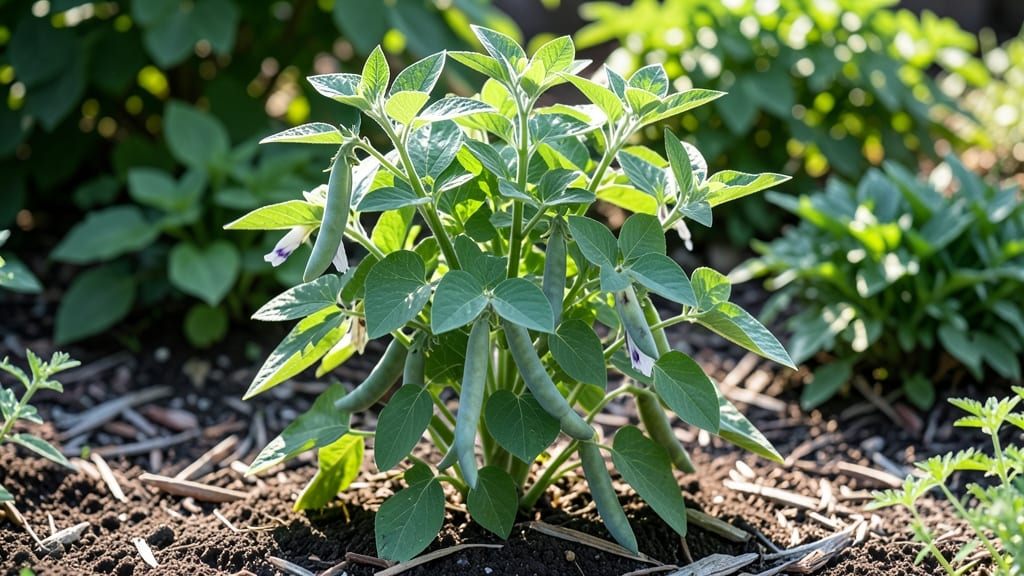
Growing blue-green beans like Blue Lake varieties is my secret to a summer-long harvest—crisp, tender, and packed with flavor that store-bought can’t match. 🌱 These bush beans thrive in cool weather, making them perfect for early spring or late fall plantings when most gardens are still bare.
The key? Starting seeds indoors 4-6 weeks before your last frost date, then transplanting when soil warms to 60°F. These beans are bush-type, meaning they grow 2-3 feet tall without needing trellises, but they produce heavier yields if you stake them lightly.
Soil prep is simple: loosen the ground, mix in compost, and ensure good drainage—they hate soggy roots. Plant seeds 1 inch deep, 4 inches apart, and watch for those first tiny leaves in just 7-10 days.
Once established, keep the soil consistently moist (not waterlogged) and feed lightly with nitrogen every 3-4 weeks. Harvest starts 50-60 days after planting—pick pods when they’re 4-6 inches long for the sweetest flavor. The more you harvest, the more they produce, so check them daily during peak season.
Common mistakes? Overcrowding (thins seedlings early) and skipping mulch (keeps soil cool and moist). With the right care, you’ll enjoy pounds of beans all summer—enough to freeze, can, or share with neighbors. Ready to grow?
📚 In This Guide
- What you need
- Instructions
- Tips and common mistakes
- Wrapping up and next steps
What you need
- ● Blue-Green Bean Seeds: Choose heirloom or hybrid varieties like "Blue Lake Bush" or "Romano". Buy 50–100 seeds for a small garden or 200+ seeds for larger yields.
- ● Well-Draining Soil: Garden soil (amended with compost, pH 6.0–7.0)
- ● Potting mix (for containers, ensure it’s sterile and moisture-retentive)
- ● Organic matter: Aged compost or worm castings (1–2 cups per planting hole)
- ○ Planting Containers (Optional but Helpful): 5–10 gallon pots (for bush beans) or tall, narrow containers (for pole beans, 12+ inches deep)
- ● Trellis or stakes (for pole beans, 6–8 feet tall)
- ● Watering Supplies: Watering can or hose with a gentle spray nozzle
- ○ Drip irrigation kit (optional) for consistent moisture
- ○ Fertilizer (Optional but Recommended): Balanced organic fertilizer (e.g., 10-10-10 or fish emulsion, 1 tbsp per plant at planting)
- ● Calcium supplement (e.g., crushed eggshells or lime) to prevent blossom-end rot
- ● Mulch: Straw or shredded leaves (2–3 inches thick) to retain moisture and suppress weeds.
- ○ Gloves & Pruners: For handling plants and trimming (optional but handy!).
- ● Sunlight: 6–8 hours of direct sun daily (partial shade in hot climates).
- ● Temperature: Soil temp: 60–85°F (15–29°C) for germination
- ● Air temp: 50–90°F (10–32°C) for growth
- ● Spacing: Bush beans: 4–6 inches apart, 18–24 inches between rows
- ● Pole beans: 3–4 inches apart, 18–24 inches between rows
- ● Last Frost Date: Wait until 2 weeks after the last frost in your area to plant outdoors.
- ● 🔥 Soak seeds overnight in warm water to speed up germination.
- ● 🌡️ Test your soil—blue-green beans thrive in slightly acidic to neutral soil. Adjust with sulfur or lime if needed.
- ● ✨ Interplant with herbs like basil or marigolds to deter pests naturally.
Step-by-Step instructions for reviving blue green beans after winter
Here’s my battle-tested method to nurse blue green beans back to life after a hard freeze—no guesswork, just science-backed recovery.
🌱 Step 1: Assess and Prune Damaged Foliage
Start by examining each plant for signs of life. Look for green stems at the base or buds in the crown—these are your indicators that the roots survived. Use clean, sharp pruners to trim back any blackened or mushy stems to healthy green tissue. I cut aggressively but leave 2-3 inches of stubble above the soil line; this prevents fungal entry while preserving dormant growth points.
Remove all dead leaves and stems entirely—they’ll compete for resources with new growth. Place pruned material in a sealed bag for composting later, but never compost diseased tissue. If you spot brown, oily spots on stems, those plants are likely beyond saving. I’ve learned the hard way that hesitation here leads to systemic rot.
☀️ Step 2: Apply Targeted Warmth and Light
Blue green beans need consistent warmth (65-75°F) to break dormancy, so group plants in a sheltered spot where they’ll receive 6+ hours of indirect light daily. A south-facing window works, but supplement with a grow light on a 14-hour timer if natural light is weak. I use a 24-inch fluorescent bulb positioned 12 inches above the plants—closer than that risks scorching tender new leaves.
If your space runs cooler, add a seedling heat mat beneath the pots. The goal is to keep soil temps above 60°F at all times. Watch for new leaf buds emerging within 3-5 weeks—this is your signal the plant is actively recovering. Without warmth, buds may remain dormant indefinitely.
💧 Step 3: Rehydrate and Fertilize Gently
Water deeply but sparingly—soak the soil until water drains from the bottom of the pot, then wait until the top inch feels dry before watering again. Overwatering now stresses revived roots. I use room-temperature water to avoid shocking the system. Add a balanced, water-soluble fertilizer (10-10-10) at half-strength to the first watering to replenish nutrients lost during dormancy.
Monitor for yellowing leaves, which usually means overwatering or nutrient burn. If this happens, flush the soil with plain water and reduce fertilizer to quarter-strength for the next two waterings. Real talk: I’ve seen plants bounce back from near-death with this approach, but it takes patience—don’t rush the recovery.
✂️ Step 4: Support New Growth with Staking
As shoots reach 4-6 inches tall, insert 5-foot bamboo stakes into the soil beside each plant. Tie stems loosely with soft plant ties or strips of old T-shirt fabric—avoid wire or tight knots, which can girdle stems as they grow. Blue green beans are vigorous climbers, but revived plants need extra support to prevent snapping under their own weight.
Pinch back the top set of leaves when the main stem hits 18 inches to encourage bushier growth. This step is crucial for perennials—it redirects energy into root strengthening rather than vertical growth. You’ll see secondary stems forming within 2 weeks if the plant is truly reviving. If not, reassess light and warmth conditions immediately.
🌿 Step 5: Harden Off for Outdoor Transition
After 4-6 weeks of indoor recovery, begin hardening off by moving plants to a shaded outdoor spot for 2 hours daily. Gradually increase exposure over 10-14 days, ending with full sun by day 7. I do this on overcast days to minimize stress. Watch for wilting or leaf scorch—these are signs to slow down the process.
Once plants tolerate full sun without wilting, transplant to the garden after the last frost date. Amend the soil with 2 inches of compost and mulch heavily with straw to retain moisture and protect roots from temperature swings. The first harvest of revived beans often comes 8-10 weeks later, but the flavor reward is worth the wait.
Tips & tricks for reviving blue green beans after winter
Here's what nobody tells you about bringing perennials back from winter's edge—these are the details that make all the difference.
Pruning Precision: When you're cutting back those blackened stems in Step 1, focus on the 2-3 inch stubble—this is where new growth emerges. I've seen plants with stubble too short fail to regrow, while those with proper stubble bounced back within weeks. Use a clean, sharp knife to avoid tearing tissue, and always cut at a 45-degree angle to prevent water pooling at the cut site.
Light and Temperature Synergy: The 65-75°F range in Step 2 isn't just about warmth—it's about creating the perfect environment for photosynthesis to kick in. I've found that placing plants near a south-facing window during the day, then moving them to a seedling heat mat at night, creates this ideal temperature swing. The 14-hour grow light timer should overlap with your natural daylight hours for maximum efficiency.
Watering Wisdom: That first deep watering in Step 3 needs to be done carefully—overwatering now can drown revived roots. I use the "bottom drain test": water until it flows freely from the drainage hole, then wait until the top inch feels dry before watering again. This mimics natural rainfall patterns and prevents root rot. For containers without drainage, water only when the soil feels completely dry to the touch.
Staking Strategy: When your plants reach 4-6 inches in Step 4, don't wait to stake them—weak stems can snap easily. I use bamboo stakes because they're lightweight yet sturdy, and the natural texture provides excellent grip for ties. For particularly weak plants, I'll insert two stakes per plant to create a triangle support system. The key is securing the main stem without restricting growth—you should be able to slide two fingers between the tie and the stem.
Pro Tips for Blue Green Beans
- Here's what nobody tells you about bringing perennials back from winter's edge—these are the details that make all the difference.
- Pruning Precision: When you're cutting back those blackened stems in Step 1, focus on the 2-3 inch stubble—this is where new growth emerges.
- Light and Temperature Synergy: The 65-75°F range in Step 2 isn't just about warmth—it's about creating the perfect environment for photosynthesis to kick in.
Frequently asked questions
Got questions about growing blue green beans—especially in colder climates? Here are some of the most common queries from gardeners just like you!
Can blue green beans survive a hard freeze?
Yes! These hardy perennials thrive in cold climates. Once established, they can tolerate light frosts (down to 15°F/-9°C) and often bounce back after winter’s chill. Mulch heavily (6+ inches) with straw or leaves to protect roots during extreme cold snaps. Pro tip: Prune back dead foliage in early spring to encourage fresh growth!
How long does it take for blue green beans to regrow after winter?
Patience pays off! With proper care, you’ll see new shoots emerging in 4–6 weeks after the last frost (typically late March–April in most zones). Warm soil speeds up regrowth—cover with black plastic or row fabric for a head start. If growth stalls, check for root rot or pests.
Are blue green beans edible? How do they taste?
Their flavor is milder and slightly sweeter than green beans, with a crisp texture. Young pods (harvested at 3–4 inches) are best for salads or stir-fries, while mature beans work well in soups or blanched dishes. Fun fact: The blue tint fades when cooked—no impact on taste!
What can I plant near blue green beans to improve growth?
These beans love companions! Pair them with:
- Herbs: Basil, dill, or chives deter pests.
- Flowers: Marigolds repel bean beetles.
- Avoid: Onions, garlic, or potatoes (they compete for nutrients).
Why are my blue green beans turning yellow or wilting?
Yellowing leaves often signal overwatering or nutrient deficiency. Check these fixes:
Issue
Solution
Yellow lower leaves
Lack of nitrogen—add compost or a balanced fertilizer.
Wilted stems
Underwatering or root rot. Water deeply 1–2x/week; ensure well-draining soil.
Spotted leaves
Fungal disease. Prune affected areas and apply neem oil.
Wrapping up and next steps
Growing blue green beans—especially perennials like Phaseolus coccineus—is a rewarding way to enjoy fresh produce year after year, even through winter’s chill! 🌱 With the right prep, soil, and care, your plants can thrive, offering vibrant foliage and delicious pods.
Whether you’re a seasoned gardener or just starting, this guide gives you the tools to succeed.
Ready to take the next step? Start by marking your garden plot, gathering supplies, and planting your seeds or seedlings this season. Before you know it, you’ll be harvesting your own crisp, flavorful blue green beans—and maybe even sharing them with neighbors! Happy gardening! 🌿