
Vegetables
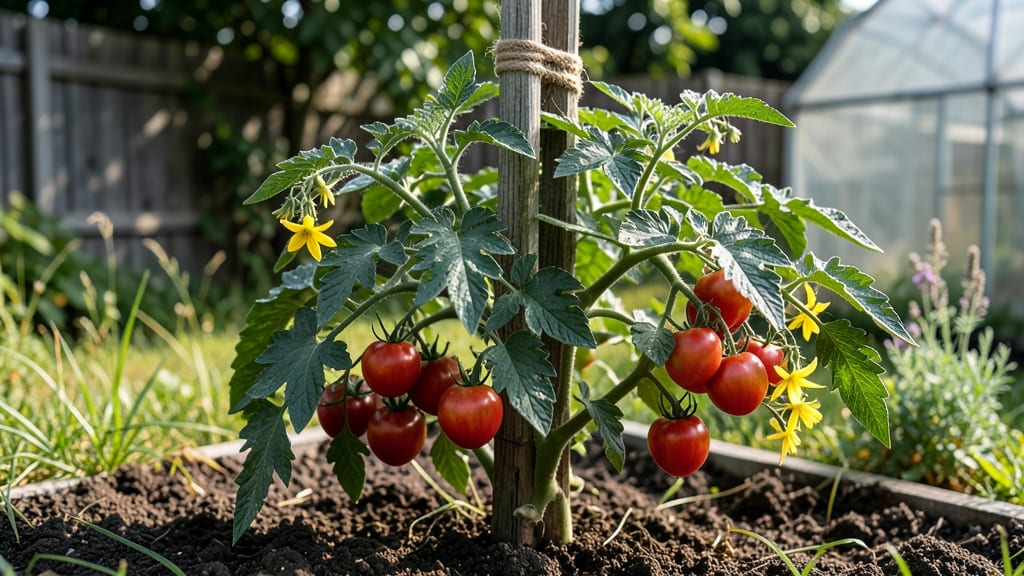
Growing Brandywine cherry tomatoes means purple clusters so dramatic they look like edible jewels. 🌿 I’ve grown dozens of heirloom varieties, but these deep-red fruits with their rich, sweet flavor and crack-resistant skin always steal the show—when you get the conditions right.
The secret lies in rich, well-draining soil mixed with compost (no cheap bagged dirt here) and consistent watering that keeps roots happy without splitting those gorgeous fruits. These indeterminate vines need strong trellises too—imagine 20-pound clusters hanging like nature’s chandeliers.
By midsummer, you’ll be harvesting pint-sized tomatoes that burst with flavor, perfect for snacking or sauces. The vines keep producing until frost, making them one of the most rewarding varieties for patient gardeners. Here’s where most growers stumble: overwatering causes cracks, while too little sun leads to weak vines.
I’ll show you how to avoid both—plus how to prune for bigger yields and deter pests without chemicals.
📚 In This Guide
- What you need
- Instructions
- Tips and common mistakes
- Wrapping up and next steps
What you need
- ● Seeds or seedlings: 3–5 Brandywine cherry tomato plants (start seeds indoors 6–8 weeks before last frost or buy healthy transplants).
- ● Containers or garden bed: For containers: 5-gallon pots or grow bags (at least 12" deep) with drainage holes.
- ● For in-ground: Well-draining soil in a sunny spot (6–8+ hours of light daily).
- ● Potting mix: High-quality, sterile seed-starting mix or tomato-specific soil (avoid garden soil—it’s too dense!).
- ● Fertilizer: Balanced organic fertilizer (e.g., 5-5-5 or compost) or a slow-release tomato fertilizer.
- ● Support system: Cages (5–6 ft tall) or stakes (6 ft) to prevent sprawling and improve air circulation.
- ● Mulch: Straw, shredded leaves, or grass clippings to retain moisture and suppress weeds.
- ● Basic tools: Trowel, pruners, watering can (or hose with gentle nozzle), and gloves.
- ○ Optional (but helpful!): pH test kit (ideal soil pH: 6.0–6.8).
- ● Drip irrigation kit for consistent watering.
- ● Shade cloth (30–50%) for hot climates to prevent sunscald.
- ● Copper tape or row covers to deter pests like hornworms.
- ● Know your last frost date (check local agricultural extensions for guidance).
- ● Ensure your space meets sunlight requirements—Brandywines thrive in full sun!
- ● Be ready to water consistently (1–2 inches per week, more in heatwaves).
Step-by-step guide to growing Brandywine cherry tomatoes
Here's how I grow these stunning purple heirlooms—juicy, crack-resistant, and packed with flavor.
🌱 Step 1: Start Seeds Indoors for Strong Transplants
Begin seeds 6-8 weeks before your last frost date in biodegradable pots (I use 2-inch cells). Fill with sterile seed-starting mix—never garden soil—because it compacts and invites damping-off. Moisten the mix until it holds together when squeezed but doesn't drip.
Plant 2 seeds per cell at ¼-inch depth—deeper planting delays germination. Cover lightly with mix and mist until evenly damp. Place trays in a warmed seed mat (75-85°F) under grow lights (14-16 hours daily). You'll see sprouts in 5-10 days. Once seedlings emerge, remove the dome immediately to prevent fungal issues.
☀️ Step 2: Harden Off and Transplant After Frost
Two weeks before transplanting, start hardening off seedlings by placing them outside in partial shade for 1-2 hours the first day. Gradually increase exposure by 1 hour daily until they tolerate full sun without wilting. This toughens stems and prevents transplant shock.
Transplant after the last frost when soil reaches 60°F. Choose a sunny spot with 6+ hours of direct light and well-draining soil. Space plants 18-24 inches apart—Brandywines need room to sprawl. Bury stems deeply (up to the first true leaves) to encourage strong root growth. Water deeply at planting to settle soil around roots.
💧 Step 3: Water Deeply and Consistently to Prevent Cracking
Brandywines thrive with deep, infrequent watering—1-1.5 inches per week—to prevent uneven fruit expansion. Water at soil level (not overhead) in the early morning to reduce disease risk. Use drip irrigation or soaker hoses if possible—they deliver moisture directly to roots without wetting foliage.
Mulch with 2-3 inches of straw to retain moisture and regulate soil temperature. Avoid overhead sprinklers, which can cause blossom-end rot or cracking—the bane of heirloom tomatoes. You'll know your watering is right when the soil feels damp 2 inches down but not soggy.
✂️ Step 4: Prune and Support for Maximum Yield
Remove suckers (the small shoots between main stems and branches) weekly to focus energy on fruit production. I prune with clean shears, leaving 2-3 main stems per plant for airflow. Pinch off first flowers to encourage stronger early growth—you'll get bigger yields later.
Install cages or stakes at planting to support vines. Brandywines can get heavy with fruit, so tie stems to supports with soft plant ties every 10-12 inches. Prune yellow leaves immediately—they drain energy from the plant. You'll see fewer but larger clusters of fruit with proper pruning.
🍅 Step 5: Harvest at Peak Ripeness for Best Flavor
Harvest when fully purple and slightly soft to the touch—80-90 days after transplanting. Pick in the morning when sugars are highest. Use pruning shears to avoid damaging stems. Regular harvesting encourages more production—don't wait for overripe fruit.
Store at room temperature for 3-5 days or refrigerate for up to 2 weeks. Brandywines are sweeter when slightly underripe, so taste-test before storing. You'll love the burst of flavor—far superior to grocery-store tomatoes. Save seeds from your best fruits for next year!
Tips & tricks for growing juicy Brandywine tomatoes
These little-known strategies will help you avoid the most common pitfalls with heirloom tomatoes.
Germination Timing: The 6-8 week indoor start window is non-negotiable—it ensures seedlings mature enough to handle your climate's last frost. I use a simple calendar trick: count backward from your average frost date (find it via your local extension office) and mark that date on your calendar. Pro tip: If you're in a cooler zone, err on the longer side (closer to 8 weeks) since seedlings need time to develop strong roots before transplanting.
Transplanting Technique: That deep burial up to the first true leaves isn't just for show—it triggers root growth from buried stems, creating a more robust plant. I've found that pre-soaking biodegradable pots for 10 minutes before planting helps them break down faster, giving roots immediate access to soil nutrients. The 60°F soil temperature threshold is critical: use a soil thermometer for 3 days to confirm stability before transplanting.
Watering Wisdom: The 1-1.5 inches per week guideline works best with morning watering between 6-9 AM when evaporation rates are lowest. For visual confirmation, I use a clear plastic ruler stuck vertically in the soil—when the 2-inch mark feels damp but not wet, you're golden. If you notice blossom-end rot developing (black bottoms on fruit), it's a sign of inconsistent calcium levels, which often stems from uneven watering patterns.
Pruning Payoff: Those weekly sucker removals might seem tedious, but they're the secret to larger fruit clusters. I schedule pruning for cloudy days when plants are less stressed from sun exposure. The first-flower pinch is equally important—it redirects energy from early blooms to stem and root development, setting up your plants for a more productive second flush of flowers later in the season.
Pro Tips for Brandywine Cherry Tomato
- These little-known strategies will help you avoid the most common pitfalls with heirloom tomatoes.
- Germination Timing: The 6-8 week indoor start window is non-negotiable—it ensures seedlings mature enough to handle your climate's last frost.
- Transplanting Technique: That deep burial up to the first true leaves isn't just for show—it triggers root growth from buried stems, creating a more robust plant.
Frequently asked questions
Got questions about growing or enjoying Brandywine cherry tomatoes?
You’re not alone! Here are answers to the most common queries—because even purple powerhouses need a little TLC.
Why do my Brandywine cherry tomatoes crack?
Cracking is common due to uneven watering—too much after drought stress causes cells to burst. Solution: Water consistently (1–1.5 inches per week) and mulch to retain moisture. Harvest promptly when firm but ripe to minimize stress.
How long does it take for Brandywine cherry tomatoes to ripen?
From transplant to harvest, count 70–85 days in warm climates. Cooler areas may need 85–100 days. Start seeds indoors 6–8 weeks before last frost for a head start. Patience pays off—these beauties are worth the wait!
Can I substitute Brandywine cherry tomatoes in recipes?
Their sweet, rich flavor shines in salads, caprese skewers, or sauces. Swap 1:1 with other cherry tomatoes, but expect a bolder purple hue and deeper taste. For a twist, blend into salsas or pair with balsamic glaze for a gourmet touch.
Do Brandywine cherry tomatoes need special care in heat?
Heat waves can stress plants, but these tomatoes are heat-tolerant. Pro tips:
- Shade cloth (30–50%) during peak sun (10 AM–2 PM).
- Drip irrigation keeps foliage dry, preventing disease.
- Harvest early if temps exceed 90°F to avoid sunscald.
What should I do if my Brandywine tomatoes turn white or yellow?
White/yellow patches often signal blossom end rot (calcium deficiency) or sunscald. Fix it by:
- Add calcium (crushed eggshells or lime) to soil.
- Mulch heavily to stabilize soil moisture.
- Harvest affected fruits and improve airflow around plants.
Wrapping up and next steps
The Brandywine cherry tomato is a game-changer for gardeners and food lovers alike—packed with flavor, stunning purple hues, and zero cracking issues when grown right! 🌱 Whether you're a seasoned gardener or a curious beginner, these tomatoes reward patience with juicy, sweet rewards that elevate any dish or snack.
Now that you’re armed with tips on materials, common questions, and expert care, it’s time to roll up your sleeves and plant. Start small, experiment with containers or soil, and soon you’ll be harvesting your own vibrant, crack-free Brandywine cherries.
Happy growing—your taste buds will thank you! 🍅✨