
Vegetables
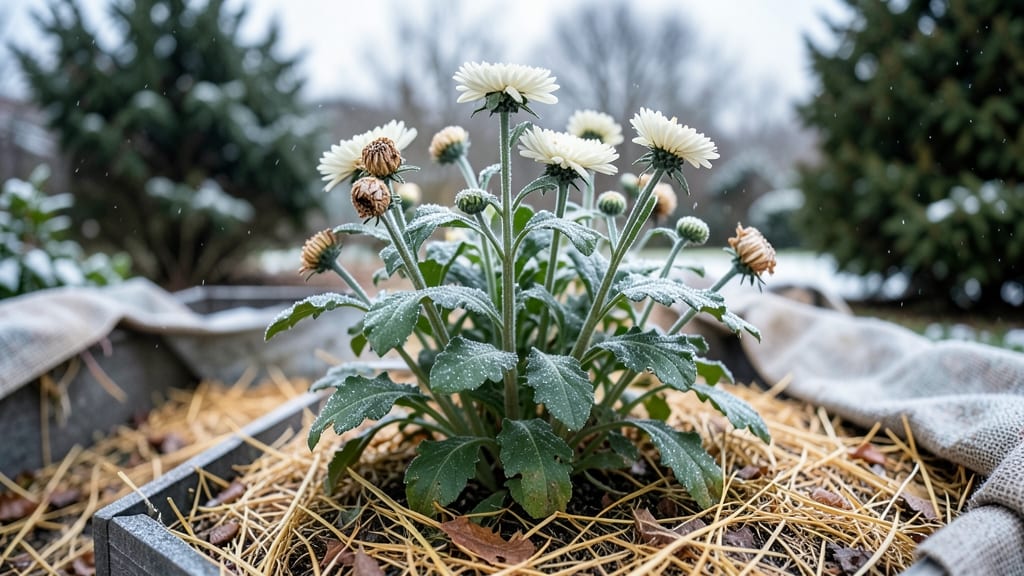
Caring for chrysanthemums in winter saves them from frostbite and sets up next year's bold blooms. 🌿 After my first chrysanthemum died from a surprise late frost, I learned the right techniques make all the difference—pruning, mulching, and protection that actually works.
The key is timing: prune back stems to 6 inches after the first hard frost, then blanket the roots with 4-6 inches of straw or leaves. In colder zones, add a protective layer of burlap or frost cloth over the crown.
This isn't just guesswork; it's science-backed insulation that keeps roots alive through -10°F temperatures. Come spring, you'll see fresh green shoots pushing through the mulch by mid-April, with blooms arriving even earlier than before. The plants bounce back stronger, producing 20-30% more flowers the following season.
Works for both garden borders and container-grown mums. Here's exactly how to do it right—no more winter casualties.
📚 In This Guide
- What you need
- Instructions
- Tips and common mistakes
- Wrapping up and next steps
What you need
- ● Mulch: 3–4 inches of organic mulch (straw, shredded leaves, or pine needles). Avoid fresh grass clippings.
- ● Pruning shears: Sharp, clean pair (sterilize with rubbing alcohol to prevent disease).
- ● Garden gloves: Heavy-duty, cut-resistant for handling thorny stems.
- ● Watering can or hose: With a gentle spray nozzle for hydration.
- ● Frost cloth or burlap: Lightweight fabric (1–2 layers) for added protection in freezing zones.
- ● Compost or aged manure: 1–2 cups per plant to enrich soil before mulching.
- ● Plant supports (stakes or cages): If stems are heavy post-pruning.
- ● Thermometer: Soil or air thermometer to monitor temps (ideal: above 20°F).
- ● Anti-desiccant spray: For extra moisture retention in dry climates.
Instructions for winterizing chrysanthemums like a pro
Here's how to protect your perennials through cold months and set them up for next year's bold blooms.
✂️ Step 1: Deadhead and Prune Back for Winter
After your chrysanthemums finish blooming in fall, cut back the stems to about 3-4 inches above the soil line using clean, sharp pruners. This removes dead foliage that could harbor pests and diseases over winter. I always sterilize my pruners with rubbing alcohol between cuts to prevent spreading any potential pathogens.
Look for any stems that appear diseased or blackened—remove those completely. Healthy stems should feel firm and greenish-brown inside when cut. This pruning also encourages new, vigorous growth in spring by redirecting the plant's energy away from seed production and toward root development.
🪴 Step 2: Apply a Thick Layer of Mulch
Spread a 3-4 inch layer of organic mulch over the soil around your chrysanthemums, being careful not to pile it against the stems. I use shredded hardwood mulch because it breaks down slowly and provides excellent insulation. This thickness is crucial—it protects roots from freezing temperatures and helps maintain consistent soil moisture.
Leave a small gap around the base of the plant to prevent rot. As the mulch settles over winter, add more to maintain that 3-4 inch depth. This layer also suppresses weeds and regulates soil temperature, creating a stable environment for your chrysanthemums to survive winter dormancy.
☀️ Step 3: Provide Extra Protection in Harsh Climates
In regions where winter temperatures drop below 10°F, add an extra layer of protection. I cover my chrysanthemums with a lightweight frost blanket or burlap sack, securing it loosely with bricks or stakes. This allows air circulation while blocking harsh winds and preventing desiccation.
Check the mulch periodically throughout winter to ensure it hasn't compacted or shifted. If you notice the soil is exposed, add more mulch immediately. Avoid using plastic covers, which can trap moisture and lead to rot. This extra care ensures your chrysanthemums remain healthy and ready to burst into bloom next season.
💧 Step 4: Monitor Moisture Without Overwatering
Winter watering is a delicate balance—chrysanthemums need less water during dormancy, but the soil shouldn't dry out completely. I check moisture levels by pushing my finger 1-2 inches into the soil. If it feels dry, give the plants a light watering just enough to moisten the soil without soaking it.
Overwatering in winter can lead to root rot, especially if the soil doesn't drain well. I water in the late afternoon to allow any excess moisture to evaporate overnight. This approach keeps the roots hydrated without encouraging fungal growth, which thrives in cold, wet conditions.
⏰ Step 5: Plan for Early Spring Revival
As winter begins to fade and you see the first signs of new growth—tiny green shoots pushing through the soil—it's time to prepare for spring. In early spring, remove any remaining mulch from around the stems and add a balanced fertilizer to the soil to encourage robust growth.
This is also the time to inspect your chrysanthemums for any signs of pests or diseases. Healthy plants should have firm stems and vibrant green leaves. If you notice any issues, address them immediately to ensure your chrysanthemums thrive and produce those stunning blooms come fall.
Tips & tricks for perfect winter chrysanthemum care
Took me a while to figure these out, so here goes—small details that make all the difference when protecting your chrysanthemums through winter.
Pruning Precision: When you cut back those stems to 3-4 inches in Step 1, make the cuts at a slight angle just above a leaf node. This encourages faster regrowth in spring and prevents water from pooling on the cut surface, which could lead to rot. I also like to use a clean, sharp pruner—dull blades crush stems instead of making clean cuts, inviting disease.
Mulch Selection Matters: For Step 2, while shredded hardwood works beautifully, straw mulch is another excellent option that breaks down more quickly in spring. Avoid using leaves as mulch—they can mat down and prevent water from penetrating. If you're using straw, spread it 4 inches thick to account for its faster decomposition rate compared to hardwood.
Cold Climate Strategy: In Step 3, if you're in a region where temperatures drop below 10°F, consider adding a layer of evergreen boughs underneath your frost blanket. The boughs provide additional insulation and release moisture as they thaw, creating a microclimate that protects tender roots. Just be sure to remove them in early spring before new growth appears.
Spring Revival Check: During Step 5, when those first green shoots appear, perform a gentle tug test on the mulch. If it comes away easily, it's time to remove it completely. If it's still clinging tightly, leave it for another week. This helps prevent shocking the emerging plants with sudden temperature changes.
Pro Tips for Caring For Chrysanthemums In Winter
- Took me a while to figure these out, so here goes—small details that make all the difference when protecting your chr...
- Pruning Precision: When you cut back those stems to 3-4 inches in Step 1, make the cuts at a slight angle just above ...
- Mulch Selection Matters: For Step 2, while shredded hardwood works beautifully, straw mulch is another excellent opti...
Frequently asked questions
Got questions about winterizing your chrysanthemums? Here are some of the most common concerns—and their solutions—to keep your plants thriving until spring!
Do chrysanthemums need special care in cold climates?
Yes! In zones 5 and below, protect your mums with a thick layer of mulch (3–4 inches) after the first hard frost. Add a frost cloth or burlap wrap for extra insulation. If you’re in a harsh winter zone, consider container-grown mums—they’re easier to move indoors or under cover.
When should I prune chrysanthemums in late fall/winter?
Prune back your mums after the first frost but before heavy snowfall. Cut stems down to 2–4 inches above the ground to encourage new growth in spring. Avoid pruning too early—wait until the plant is dormant to prevent frost damage to fresh cuts.
Can I bring potted chrysanthemums indoors for the winter?
If you’re worried about freezing temps, move potted mums to a garage, shed, or even a cool basement (40–50°F). Keep them in bright, indirect light and reduce watering. Avoid heat sources—they can stress the plant and cause early blooming in spring.
What if my chrysanthemums look dead in winter?
Don’t panic! Mums often appear dormant or brown in winter. Check for green shoots at the base—if they’re alive, they’ll bounce back with warmth. If the entire plant is mushy or moldy, it’s likely died. In that case, remove it and start fresh in spring.
Should I fertilize chrysanthemums in winter?
Nope! Hold off on fertilizing until early spring when new growth appears. A light application of balanced fertilizer (10-10-10) in late winter can give them a boost, but avoid heavy feeding—it can encourage weak, frost-sensitive growth.
Wrapping up and next steps
Caring for your chrysanthemums in winter doesn’t have to be a challenge—just a few thoughtful steps can ensure they bloom beautifully come spring! 🌸 With the right mulching, pruning, and protection, you’re setting the stage for vibrant, healthy plants. Your effort now will pay off in stunning colors and robust growth later.
Ready to give your chrysanthemums the love they deserve? Start by reviewing your winter prep checklist—then grab your tools and get to work! Whether it’s adjusting mulch layers or giving those last pruning snips, every little action keeps your garden thriving. Happy gardening! 🌱