
Vegetables
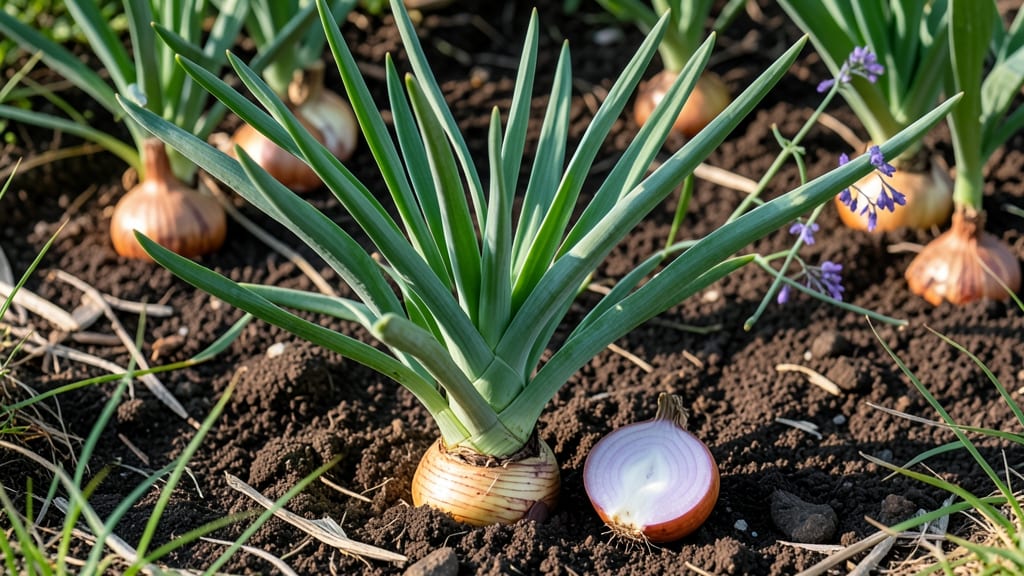
Caring for onions means never paying $3 a pound again—just pull them fresh from your garden all summer long. 🌱 I’ve grown onions for years, and the secret isn’t fancy soil or rare varieties, but timing, spacing, and knowing when to stop watering.
My first harvest was a sad, small bunch, but now I get 10+ pounds from just 20 plants.
The real magic happens in the soil prep: onions hate soggy roots, so we’re talking well-draining, sandy loam mixed with compost. Plant sets or seeds in early spring, space them 4-6 inches apart, and keep the soil moist but never soggy.
Too much water? You’ll get floppy tops and rot. Too little? They’ll bolt before maturing.
By mid-summer, you’ll see those familiar onion tops flattening—that’s your cue to stop watering. Let the tops yellow and dry down in the soil for 2-3 weeks before harvesting.
The flavor? Sweeter and deeper than store-bought, with layers that peel like silk. Store them in a cool, dry place, and they’ll keep fresh until spring.
Even if you’ve failed before, this method works—I’ve tried it in heat, drought, and heavy clay, and the onions still thrive. The key is patience: let them mature fully, and you’ll have onions to last through winter. Ready to grow yours?
📚 In This Guide
- What you need
- Instructions
- Tips and common mistakes
- Wrapping up and next steps
What you need
- ● Fresh onions: Choose dry, firm onions with papery skins (no soft spots or sprouting!). Bulbs should feel heavy for their size.
- ● Well-ventilated storage space: A cool (50–60°F), dry area like a pantry, basement, or mesh bag (avoid refrigeration for short-term storage!).
- ● Breathable containers: Mesh bags (1–2 per 5–10 lbs of onions)
- ● Open cardboard boxes (1–2 per 10 lbs)
- ● Wooden crates (for bulk storage)
- ○ Optional humidity control: Silica gel packets (1–2 per storage container for long-term dryness)
- ● Charcoal (1–2 pieces per crate to absorb moisture)
- ● Sharp knife or onion slicer (for trimming sprouts or damaged ends).
- ● Soft brush or cloth (to gently clean dirt from skins).
- ● Food-safe spray bottle (for lightly misting onions if humidity is too low—use sparingly!).
- ○ Thermometer (optional): To monitor storage temps (aim for 50–60°F).
How to store onions for maximum freshness all year
Keep your onions crisp and flavorful for months with this simple, science-backed method.
🪴 Step 1: Cure Onions Before Storing
First, let your onions dry completely in a dark, well-ventilated spot for 2-3 weeks. This curing process thickens skins and removes moisture, which prevents rot during storage. Lay them in a single layer on a screen or mesh rack—never pile them up, or they'll trap dampness.
Check daily and remove any onions that soften or develop mold. A properly cured onion has a dry, papery skin that feels crisp to the touch. If your climate is humid, move the curing process indoors where airflow is strongest, like near an open window with a fan blowing gently across them.
☀️ Step 2: Choose the Right Storage Location
Store cured onions in a cool (50-60°F), dry place with good airflow. A pantry corner, basement, or even a mesh bag hanging from a hook works well. Avoid refrigeration—cold temperatures convert starches into sugars, making onions sweet and mealy.
I use a wooden crate or open basket lined with cheesecloth to allow airflow while keeping onions off damp surfaces. Never store them in plastic bags or sealed containers—trapped moisture causes sprouting and mold within weeks.
🌱 Step 3: Organize by Variety and Size
Group onions by type and size for even storage conditions. Smaller varieties like shallots or scallions store best in small mesh bags, while larger bulbs like yellow or red onions do better in single-layer arrangements. Label bags with the variety and harvest date—this helps rotate stock and ensures you use older onions first.
Check your stored onions every 2-3 months. Remove any that sprout, soften, or develop mold immediately. A properly stored onion should feel firm, with dry outer skins that resist tearing when gently rubbed between fingers.
⏰ Step 4: Extend Freshness with Optional Treatments
For extra-long storage, try this trick: brush onions lightly with food-grade mineral oil before curing. The oil creates a thin protective barrier that slows moisture loss. Use a clean paintbrush to apply just enough to coat the skins—don't oversaturate, or they'll stick together.
Alternatively, store onions in a paper bag with a few apple slices (the ethylene gas helps preserve freshness). Place the bag in a dark, cool spot and check weekly. This method works best for 3-4 months of storage before quality declines.
✂️ Step 5: Use Before They Spoil
Onions stored properly will last 6-12 months, but flavor peaks within the first 3-4 months. Use older onions first in cooked dishes where texture matters less. Save the freshest bulbs for raw applications like salads or garnishes.
If you notice sprouting, don't toss the onion—simply trim the green shoots and use the bulb immediately in recipes where flavor is critical. The sprouts themselves are edible and packed with nutrients, though they're best used in soups or stir-fries where their mild onion flavor won't overpower.
Tips & tricks for perfect onion storage
Real talk: I've wasted perfectly good onions because I didn't follow these game-changing storage tricks. Here's how to keep them fresh like a pro.
Curing is Non-Negotiable: That 2-3 week curing period in Step 1 isn't optional—it's what transforms your onions from soggy to shelf-stable. I learned this the hard way after storing onions straight from the store and watching them rot within weeks. The curing process thickens the skins and removes moisture, which is exactly what prevents mold and spoilage. If you're short on time, at least let them cure for 10-14 days minimum.
Temperature Matters: The 50-60°F range in Step 2 is critical—any warmer and they'll spoil faster, any cooler and they'll convert starches to sugars. I keep my onions in a pantry corner where the temperature naturally stays around 58°F. If your kitchen runs hot, consider a basement storage area. And remember, refrigeration is the enemy—it turns onions sweet and mealy almost instantly.
Storage Organization Wins: Grouping onions by variety and size in Step 3 makes all the difference. I use small mesh bags for shallots and single-layer arrangements for larger onions. The key is airflow—onions need to breathe to prevent moisture buildup. I also label my storage containers with the harvest date so I can rotate stock properly. This simple system has saved me from using spoiled onions in my cooking.
Optional Treatments for Extra Protection: The mineral oil trick in Step 4 is a game-changer for long-term storage. I use food-grade mineral oil and a clean makeup brush to lightly coat the skins before curing. This creates a protective barrier that slows moisture loss significantly. For shorter-term storage (3-4 months), the paper bag with apple slices method works beautifully—just check weekly for any signs of spoilage.
Pro Tips for Caring For Onions
- Real talk: I've wasted perfectly good onions because I didn't follow these game-changing storage tricks.
- Curing is Non-Negotiable: That 2-3 week curing period in Step 1 isn't optional—it's what transforms your onions from soggy to shelf-stable.
- Temperature Matters: The 50-60°F range in Step 2 is critical—any warmer and they'll spoil faster, any cooler and they'll convert starches to sugars.
Frequently asked questions
Got questions about keeping your onions fresh and flavorful?
You’re not alone! Here are answers to the most common concerns—from storage hacks to troubleshooting—so you can enjoy crisp, vibrant onions all year long.
How long can I store onions before they spoil?
With proper care, onions can last months! Store them in a cool, dry, and well-ventilated spot (like a mesh bag or open container) away from moisture. Sweet onions (like Vidalia) typically last 2–3 months, while storage varieties (yellow, red) can keep for 4–6 months. Check for soft spots or mold—if they’re firm and dry, they’re still good!
Can I refrigerate onions to extend their shelf life?
Not ideal! Refrigeration can cause onions to sprout or spoil faster due to high humidity. Instead, opt for a cool, dark pantry (50–60°F) or a garlic/onion storage bag. If you must refrigerate (e.g., after cutting), wrap them tightly in paper towels and use within 5–7 days.
What do I do if my onions start sprouting?
Sprouting is a sign your onions are trying to regrow—usually from warmth or moisture. To stop it:
- Move them to a cooler, drier place (like a basement or fridge).
- Separate sprouted bulbs and use them first (they’re still edible!).
- For long-term storage, freeze or pickle them before they sprout further.
Are there alternatives if my onions go bad before I use them?
If your onions spoil, try these swaps:
- Substitute with asafoetida (hing) (1/8 tsp = 1 tbsp onion) for savory depth.
- Use leeks or shallots (milder flavor, similar texture).
- Boost flavor with garlic powder, onion powder, or caramelized onion paste.
- For freshness, grow your own! Green onions regrow from scraps in water.
Why do my onions smell bad even though they look fine?
A foul odor (like ammonia or rot) means bacteria or mold is growing inside, even if the outside looks okay. Toss them immediately—smell is your early warning system! To prevent this, avoid washing onions until ready to use (moisture speeds decay) and store them in well-ventilated containers.
Pro Tip: Label and rotate!
Use a marker to date your onion storage containers so you use the oldest ones first (FIFO method). This keeps your stash fresh and reduces waste.
Wrapping up and next steps
Caring for onions doesn’t have to be complicated—with the right techniques, you can enjoy fresh, flavorful bulbs all year long! 🌱 Whether you’re storing them in mesh bags, braiding them for hanging, or freezing for later use, these methods keep them crisp and ready for your next dish. Your efforts will pay off with vibrant flavors and less waste!
Ready to put your new skills to the test? Start by assessing your current onion stash and choosing the best storage method for your kitchen. With a little practice, you’ll master the art of onion care in no time—happy cooking awaits! 🍳