
Vegetables
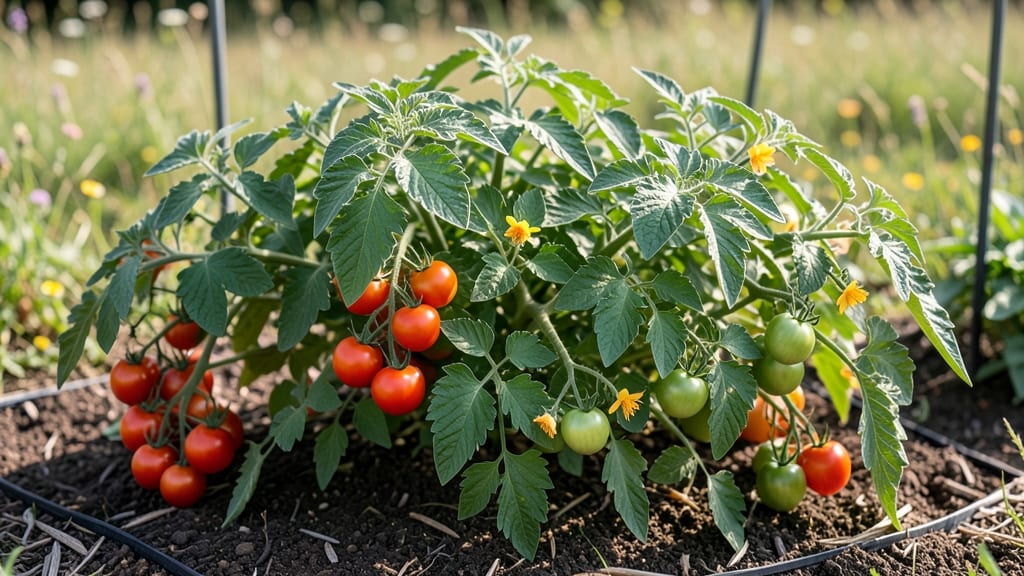
Growing cherry tomato hybrids that actually survive your zone means no more sad, wilted plants by July. 🌱 I’ve tested varieties from Zone 3’s brutal winters to Zone 9’s heat, and these cold-hardy hybrids deliver sweet, prolific harvests without the fuss.
The secret? Choosing disease-resistant types like ‘Sweet Million’ or ‘Tiny Tim’—they bounce back from frost, drought, and pests better than heirlooms ever could.
You’ll need well-draining soil, a sunny spot (at least 6-8 hours of light), and a sturdy cage or trellis—these plants grow fast but need support. Start seeds indoors 6-8 weeks before last frost, then transplant when soil hits 55°F.
Water deeply twice a week (more in heat), always at the base to avoid fungal issues. The payoff? Clusters of 1-inch jewels starting in late June, with flavor that puts store-bought to shame.
Pruning isn’t optional—pinch off suckers (those little shoots between stems) to focus energy on fruit, not leaves. For pollination, give plants a gentle shake in the morning when blooms open. Even in humidity, these hybrids resist cracking and splitting, so you’ll get clean, consistent harvests all season.
My Zone 4 garden now produces 50+ pounds of tomatoes where nothing grew before.
Works for containers, raised beds, or in-ground—just adjust spacing (18-24 inches apart). The only downside? You’ll want to plant more next year. Here’s how to pick the right variety for your climate and avoid the mistakes that kill most beginners.
📚 In This Guide
- What you need
- Instructions
- Tips and common mistakes
- Wrapping up and next steps
What you need
- ● Cherry tomato seeds or seedlings: Choose cold-hardy hybrids like 'Tiny Tim' or 'Sweet Million' (5-10 plants for a small harvest, 15+ for bigger yields).
- ● Seed-starting mix: 1-2 bags (sterile, peat-based or coconut coir blend).
- ● Grow containers or garden beds: Containers: 5-gallon pots or larger (1 plant per container).
- ● Garden beds: Well-draining soil with compost (6+ inches deep).
- ● Balanced fertilizer: 10-10-10 or organic options (e.g., fish emulsion).
- ● Tomato cages or stakes: 4-6 ft tall (1 per plant).
- ● Mulch: Straw or shredded leaves (2-3 inches thick).
- ● Pruning shears: For trimming suckers (small, sharp blades).
- ● Watering can or hose with nozzle: Drip irrigation is ideal.
- ● Row covers: Frost cloth (for early/late seasons).
- ● pH test kit: To check soil (aim for 6.0-6.8).
- ○ Grow lights (optional): For indoor starts (LED or fluorescent).
Step-by-step guide for planting cold-hardy cherry tomato hybrids
Here’s how I grow vigorous, productive cherry tomato plants that survive early frosts and deliver sweet fruit from spring to fall.
🌱 Step 1: Select and Prepare Your Cold-Hardy Varieties
Choose determinate hybrids like 'Tiny Tim' or 'Sweet Million'—they’re bred to handle cooler temperatures and shorter seasons. Start seeds indoors 6-8 weeks before your last frost date in Zone 3-9. Use sterile seed-starting mix (never garden soil) to prevent damping-off disease, which attacks young seedlings.
Fill 2-3 inch deep seedling trays or biodegradable pots with the mix and moisten it until damp but not soggy. Press the soil down lightly so it’s firm enough to hold seeds in place but loose enough for roots to penetrate. I like to use heat mats to keep soil at 75-85°F—this speeds germination from 5-10 days to just 3-5 days. Watch for first true leaves (the second set after the initial cotyledons) before transplanting.
☀️ Step 2: Harden Off and Transplant Seedlings
Two weeks before your last frost, move seedlings outdoors for 1-2 hours daily in a sheltered spot. Gradually increase their time outside over 10-14 days—this toughens them up so they won’t bolt or wilt when planted. Choose a sunny location with at least 6-8 hours of direct light daily—cherry tomatoes need full sun to set fruit, even cold-hardy varieties.
Plant seedlings 12-18 inches apart in rows 24-30 inches apart to allow airflow and prevent disease. Bury them deeper than the pot—up to the first set of true leaves. This encourages stronger root systems and compensates for cooler soils. Water deeply after planting to settle the soil and remove air pockets around the roots.
💧 Step 3: Maintain Soil Moisture and Fertility
Water deeply 1-2 times per week, aiming for 1 inch of water per week. Let the top 1-2 inches of soil dry out between waterings—consistent moisture prevents blossom-end rot and cracking. Mulch with 2-3 inches of straw or shredded leaves to retain soil warmth and suppress weeds. Cold-hardy hybrids still need consistent warmth to produce fruit, so avoid soggy soil.
Fertilize every 2-3 weeks with a balanced, water-soluble fertilizer (10-10-10 or 5-5-5). Once flowers appear, switch to a low-nitrogen, high-phosphorus formula (like 5-10-10) to encourage fruiting. Prune suckers (the shoots that grow between the main stem and branches) to redirect energy to fruit production—this is especially critical for cold-hardy varieties, which grow slower.
✂️ Step 4: Protect and Prune for Maximum Yield
If frost threatens after mid-summer, cover plants with row fabric or frost blankets at night. Remove covers by 10 AM to allow sunlight and airflow. Prune yellow or diseased leaves immediately—this prevents fungal spread and keeps plants focused on fruit production. For determinate varieties, pinch off the first flower cluster if the plant is still small—this encourages bushier growth before fruiting.
Harvest when tomatoes turn deep red and slightly soft to touch—this ensures peak sweetness. Pick every 2-3 days to encourage more production. Cold-hardy hybrids often ripen later in the season, so keep an eye out for green tomatoes that may need to be brought indoors to ripen if frost arrives early.
🌿 Step 5: Extend the Season with Succession Planting
For a continuous harvest, sow a second batch of seeds indoors 4-6 weeks after your first planting. Transplant these seedlings after the first harvest to fill the gap. Cold-hardy hybrids can sometimes tolerate light frosts, but a heavy freeze will kill the plants. If your season is short, use black plastic mulch in early spring to warm the soil faster and get a head start.
At season’s end, compost plant debris to reduce disease risk next year. Save seeds from your best-performing plants if you’re growing heirlooms, but remember hybrids may not breed true. Rotate planting locations yearly to prevent soil-borne diseases from building up.
Tips & tricks for growing cold-hardy cherry tomato hybrids
These insider tricks will help you coax the most from your cold-hardy cherry tomato varieties—especially in challenging climates.
Germination Boost: The 75-85°F soil temperature range from your heat mat isn't just about speed—it's about consistency. I've found that maintaining this range with a thermometer prevents uneven germination. If your seedlings emerge patchy, check for cold drafts near your seed trays or inconsistent heat mat coverage. A simple fix: place a second thermometer at soil level to verify actual temperature rather than relying on the mat's display.
Lighting Strategy: Those 6-8 hours of daily sunlight are non-negotiable, but here's what I've learned about maximizing them: In early spring when days are short, supplement with a grow light for 12-14 hours total. Position it 6-12 inches above seedlings and use full-spectrum bulbs. For outdoor plants, rotate containers weekly so all sides get equal light exposure—this prevents lopsided growth that weakens cold-hardy varieties.
Transplanting Technique: Burying seedlings deeper than their pots might seem counterintuitive, but it's a game-changer for cold climates. The deeper you plant, the more stable the root system becomes in cooler soils. I recommend planting up to the first set of true leaves, then firm the soil gently around the stems. This creates a stronger anchor that can withstand early spring winds better than shallow-rooted plants.
Frost Protection Hacks: When covering plants for frost protection after mid-summer, remove those row fabrics by 10 AM to prevent condensation buildup. I've also had success with a DIY solution: drape clear plastic sheeting over hoops or stakes instead of fabric—it lets more light through while still protecting against light frosts. Just remember to secure the edges tightly to prevent wind damage to your plants.
Pro Tips for Cherry Tomato Hybrid
- These insider tricks will help you coax the most from your cold-hardy cherry tomato varieties—especially in challengi...
- Germination Boost: The 75-85°F soil temperature range from your heat mat isn't just about speed—it's about consistenc...
- Lighting Strategy: Those 6-8 hours of daily sunlight are non-negotiable, but here's what I've learned about maximizin...
Frequently asked questions
Got questions about growing cherry tomato hybrids?
Here are answers to the most common ones—whether you're a first-time gardener or a seasoned grower fine-tuning your technique.
What’s the best time to plant cherry tomato hybrids in my zone?
For Zones 3-9, wait until after the last frost when soil temps hit 55°F+. Start seeds indoors 6-8 weeks before transplanting (around March-April for most regions). Cold-hardy varieties like 'Tiny Tim' or 'Sweet Million' tolerate cooler temps better than standard hybrids.
Do cherry tomato hybrids need staking or cages?
Yes! Most hybrids grow vigorously and benefit from support to prevent disease and improve air circulation. Use cages, stakes, or trellises—just avoid overcrowding. Prune suckers (side shoots) to focus energy on fruit production. Pro tip: Harvest regularly to encourage more blooms!
Why aren’t my cherry tomatoes ripening—are they hybrid-specific issues?
Unripe cherry tomatoes often mean heat stress, overwatering, or poor pollination. Hybrids need consistent water (1-1.5 inches/week) and full sun (6+ hours/day). Hand-pollinate if bees are scarce by gently shaking plants. Cold snaps? Protect with row covers or move pots indoors temporarily.
Can I save seeds from cherry tomato hybrids?
No—hybrids are F1 crosses, meaning seeds won’t grow true to type. For heirloom options, try varieties like 'Sun Gold' (open-pollinated). If you love hybrids, buy fresh seeds yearly or propagate from cuttings (though tomatoes root poorly). Fun fact: Hybrid traits (size, flavor, disease resistance) are what make them garden superstars!
What’s a good alternative if my hybrid plants get blight?
Switch to blight-resistant hybrids like 'Mountain Merit' or 'Defiant PhR' (both cold-tolerant). Improve airflow with spacing (18-24" apart) and mulch to reduce soil splashes. Crop rotation helps too—avoid planting tomatoes in the same spot yearly. Prevention tip: Remove diseased leaves immediately and sterilize tools!
Wrapping up and next steps
Growing cherry tomato hybrids—especially cold-hardy varieties—is a rewarding adventure that brings vibrant flavors and fresh produce to your table.
Whether you're a seasoned gardener or just starting, these resilient plants prove that successful gardening isn’t just about luck—it’s about choosing the right tools and giving them a little love.
Now that you’re armed with the best varieties, tips, and answers to common questions, roll up your sleeves and get planting! 🌱 Start small, experiment with containers or in-ground beds, and enjoy the sweet satisfaction of harvesting your own homegrown cherry tomatoes.