
Vegetables
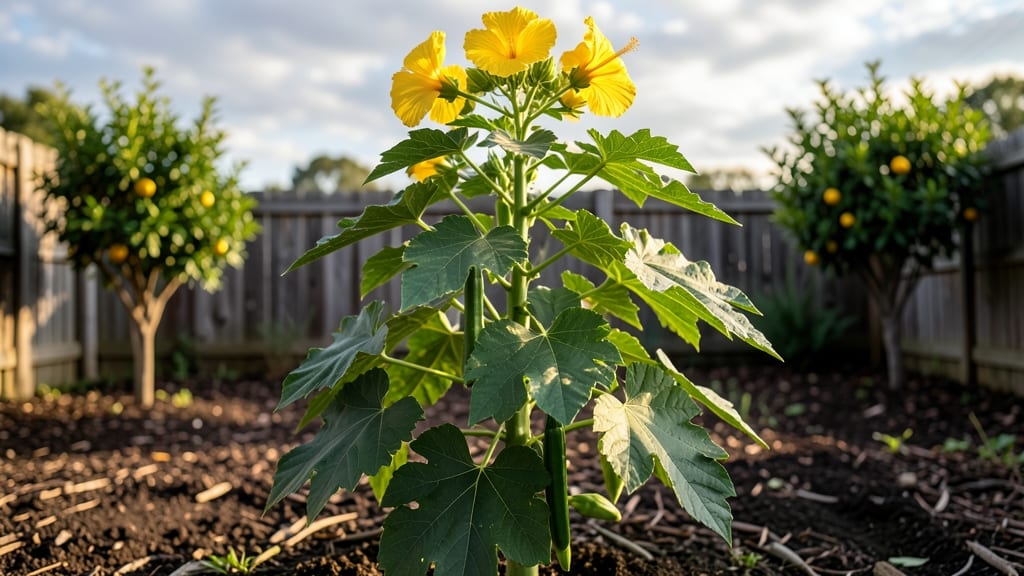
Clemson Spineless okra leaves aren’t just edible—they’re a cold-hardy superfood that keeps producing greens long after most gardens call it quits. 🌿 I’ve grown this variety for years, and its ability to thrive in cooler weather (down to 25°F) means fresh greens on my table from spring through fall—sometimes even winter with protection.
The secret to leafy abundance lies in consistent moisture and rich soil—think compost-heavy beds with a pH between 6.0 and 6.8. Harvest leaves young (4–6 inches) for tender, spinach-like texture, or let them grow larger for a slightly tougher, asparagus-like bite.
They’re packed with fiber, vitamins A and C, and even a touch of iron, making them a nutrient powerhouse.
📚 In This Guide
- What you need
- Instructions
- Tips and common mistakes
- Wrapping up and next steps
What you need
- ● Clemson Spineless Okra Seeds or Plants: 1–2 seed packets (or 3–4 established plants for immediate harvest)
- ● Look for cold-hardy or heirloom varieties if available.
- ● Well-Draining Soil: 60–100 sq ft of fertile, slightly acidic soil (pH 6.0–6.8)
- ● Mix in 2–3 inches of compost or aged manure for nutrients.
- ● Organic Mulch: Straw, shredded leaves, or pine needles (3–4 inches thick) to insulate roots.
- ● Watering Can or Drip Irrigation: 1–2 gallons of water per plant, 2–3 times weekly (adjust for rain).
- ○ Fertilizer (Optional but Helpful): Balanced organic fertilizer (e.g., 5-5-5) or compost tea for a nutrient boost.
- ● Garden Trowel or Transplant Spade – For planting seeds or seedlings.
- ● Pruning Shears – To harvest leaves and encourage bushier growth.
- ● Row Cover or Cold Frame – Extend the growing season in frost-prone areas.
- ○ Gloves (Optional) – Protect hands from thorns (even spineless varieties can have mild prickles!).
- ● Sunlight Access: Full sun (6–8+ hours daily) for optimal growth.
How to grow and maintain Clemson Spineless okra leaves for cold-hardy harvests
This cold-tolerant variety thrives where most okra would fail—here’s how to coax its tender leaves year-round.
🌱 Step 1: Select and Prepare the Planting Site
The Clemson Spineless variety tolerates cooler temperatures than traditional okra, but it still demands well-draining soil with a pH between 6.0 and 6.8. I always test soil before planting—this variety’s cold hardiness falters in soggy conditions. Amend heavy clay with 2-3 inches of compost and mix it into the top 12 inches of soil to improve drainage and fertility.
Choose a location with at least 6 hours of sunlight daily, though it handles partial shade better than most okra. In colder climates, a south-facing wall or fence extends the growing season by trapping heat. Mark the planting area with stakes to ensure 18-24 inches of spacing between plants—crowding reduces airflow and increases disease risk.
🌿 Step 2: Plant Established Starts or Direct-Sow Seeds
Clemson Spineless okra grows best from transplants in cooler regions, as seeds struggle to germinate below 60°F. Start seeds indoors 8-10 weeks before your last frost date in biodegradable pots to avoid root disturbance. Plant seeds ½ inch deep and keep soil consistently moist until germination, which typically occurs in 7-14 days at 75-85°F.
For direct sowing in warmer climates, plant seeds ¼ inch deep after soil reaches 65°F. Thin seedlings to 12 inches apart once they reach 4 inches tall—this prevents competition and encourages bushier growth. I always harden off seedlings for 5-7 days before transplanting, moving them outdoors gradually to avoid shock.
💧 Step 3: Water and Fertilize for Cold Tolerance
Consistent moisture is critical, especially in cooler weather. Water deeply 2-3 times per week, aiming for 1-1.5 inches of water per week, and adjust based on rainfall. Let the top 2 inches of soil dry between waterings to prevent fungal issues. Mulch with 2-3 inches of straw or shredded leaves to retain soil warmth and suppress weeds—this is key for extending the harvest season.
Fertilize lightly at planting with a balanced 10-10-10 formula, then switch to a low-nitrogen, high-phosphorus feed (like 5-10-10) when flowers appear. Over-fertilizing with nitrogen encourages leafy growth at the expense of cold hardiness. I avoid high-nitrogen fertilizers after the first harvest, as they make the plant more susceptible to frost damage.
✂️ Step 4: Prune and Harvest for Continuous Growth
Unlike traditional okra, Clemson Spineless produces edible leaves and tender pods—harvest leaves when they reach 4-6 inches long for the best flavor. Use clean pruners to snip leaves just above a leaf node, encouraging bushier regrowth. For pods, harvest when they’re 3-4 inches long—longer pods become fibrous and tough. Regular harvesting stimulates new growth and extends the harvest window.
In colder months, prune back one-third of the plant after the first frost to stimulate new growth. This variety often rebounds with tender new leaves even after light freezes. I always remove any yellowed or diseased foliage immediately to prevent spread—this keeps the plant healthy and productive throughout the season.
☀️ Step 5: Protect from Frost and Extend the Season
While Clemson Spineless tolerates light frosts down to 25°F, prolonged cold will damage the plant. Use row covers or cold frames to protect plants when temperatures drop below 30°F. These simple covers trap heat and can extend the growing season by 4-6 weeks in cooler climates. Remove covers during the day to allow pollination if you’re growing for pods.
For a truly year-round harvest, grow Clemson Spineless in containers that can be moved indoors during winter. Place pots near a south-facing window or under grow lights for 12-14 hours of light daily. Reduce watering slightly in winter, as the plant’s growth slows, but keep soil lightly moist to prevent stress.
Tips & tricks for perfect Clemson Spineless okra leaves
These cold-hardy plants demand special attention—here's how to maximize their resilience and productivity.
Soil Preparation: Don't just amend the surface—dig the 2-3 inches of compost into the top 12 inches of soil to create a deep, well-draining root zone. This variety's cold tolerance depends on good drainage, so if your soil is heavy clay, consider building raised beds. I've found that adding a handful of perlite to the mix further improves aeration for those cooler climates.
Seed Starting Strategy: When starting seeds indoors 8-10 weeks before your last frost date, use biodegradable pots to prevent root disturbance during transplanting. Place them on a heat mat set to 75-85°F—this consistent warmth is crucial for germination within 7-14 days. I've learned that maintaining this temperature range prevents the "hit or miss" germination that frustrates many gardeners.
Frost Protection: The 25°F tolerance limit is for light frosts only—prolonged exposure will damage the plant. For protection below 30°F, use row covers or cold frames that create a microclimate. I've had success with lightweight frost blankets that allow sunlight while trapping heat. Remember to remove them during the day if you're growing for pods to allow pollination.
Harvest Timing: For maximum tenderness, harvest leaves when they reach 4-6 inches long—any longer and they develop a slightly bitter edge. I've found that morning harvests yield the freshest leaves, as the plant's natural sugars are most concentrated after a night's rest. For pods, the 3-4 inch window is critical—waiting longer makes them fibrous and tough.
Pro Tips for Clemson Spineless Okra Leaves
- These cold-hardy plants demand special attention—here's how to maximize their resilience and productivity.
- Soil Preparation: Don't just amend the surface—dig the 2-3 inches of compost into the top 12 inches of soil to create a deep, well-draining root zone.
- Seed Starting Strategy: When starting seeds indoors 8-10 weeks before your last frost date, use biodegradable pots to prevent root disturbance during transplanting.
Frequently asked questions
Can Clemson Spineless Okra Leaves Survive Winter in Cold Climates?
Yes! Unlike traditional okra, Clemson Spineless is a cold-hardy perennial that can tolerate light frosts (down to 20°F/-7°C) when established. In zones 7-10, it often regrows in spring with proper mulching (straw or leaves). In colder zones (6 or below), grow it as an annual or overwinter indoors. Pro tip: Prune back dead foliage in late winter to encourage fresh growth.
How Long Does It Take for Clemson Spineless Okra Leaves to Be Ready to Harvest?
You can start harvesting tender young leaves 6-8 weeks after planting (or when plants reach 12-18 inches tall). For continuous harvests, pick leaves every 2-3 weeks—never take more than 1/3 of the plant at once to avoid stress. Leaves taste best when 4-6 inches long and harvested before flowering. Pro tip: Use sharp scissors to snip leaves just above a leaf node for faster regrowth.
What’s the Best Way to Cook or Use Clemson Spineless Okra Leaves?
These leaves are mild, spinach-like, and packed with nutrients! Sauté them like greens () with garlic, onions, and olive oil for 3-4 minutes until wilted. They’re also great in:
- Stir-fries (add at the end to retain texture)
- Soups or stews (boosts flavor and nutrition)
- Smoothies (blend with fruit for a nutrient boost)
- Raw in salads (young leaves add a peppery crunch)
What Pests or Diseases Should I Watch For, and How Do I Prevent Them?
Clemson Spineless is generally pest-resistant, but keep an eye out for:
- Aphids: Spray with water or use neem oil.
- Spider mites: Increase humidity or apply insecticidal soap.
- Powdery mildew: Improve airflow and avoid overhead watering.
To prevent issues, rotate crops annually and ensure well-draining soil. Pro tip: Plant companion crops like marigolds or basil to deter pests naturally.
Can I Grow Clemson Spineless Okra Leaves in Containers?
This plant thrives in 5-gallon containers or larger with drainage holes. Use a light, well-draining potting mix and place in full sun (6+ hours daily). Containers dry out faster, so water when the top inch of soil is dry. Pro tip: For urban growers, fertilize every 4-6 weeks with a balanced organic fertilizer (10-10-10) to support leafy growth.
Wrapping up and next steps
Clemson Spineless Okra leaves are a game-changer for gardeners craving year-round greens with minimal fuss! Their cold-hardy nature and nutrient-packed profile make them a standout choice, whether you're growing for flavor, sustainability, or health. 🌱✨
Ready to dive in? Start small—plant a few leaves in your garden or even a container—and watch your harvest grow. Share your success with fellow gardeners, experiment with recipes, and enjoy the rewarding journey of cultivating this resilient perennial!