
Vegetables
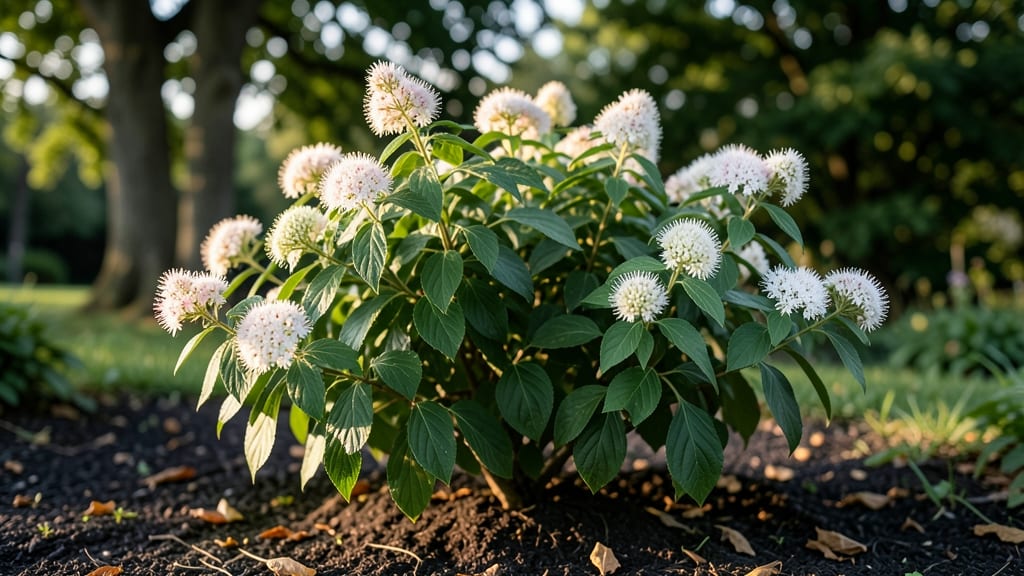
Winter care for clethra keeps those fragrant summer blooms coming back stronger every spring. 🌿 I’ve learned the hard way that skipping winter prep—like proper mulching or late pruning—can leave your summer sweet shrubs looking ragged by next summer.
The good news? Clethra thrives in zones 3-8, so with the right winter steps, you’ll have vibrant foliage and next year’s blooms already forming by February.
Start with mulch—3-4 inches of shredded bark or leaves around the base protects roots from freeze-thaw cycles. Clethra is deciduous, so its bare branches won’t burn in winter, but young plants benefit from a light burlap wrap in extreme cold (below 0°F).
Avoid heavy pruning now; wait until late winter or early spring when new growth is visible, and cut back 1/3 of the oldest stems to encourage fresh blooms.
You’ll notice the difference next summer: denser foliage, more flowers, and plants that bounce back faster from winter stress. The key is patience—clethra’s winter dormancy is when it builds energy for its showstopping summer display.
Just avoid piling mulch against stems (that invites rot) and pruning after mid-summer (you’ll sacrifice next year’s blooms).
For gardeners in zones 3-5, add an extra layer of protection the first winter until roots establish. And here’s the secret: clethra’s winter interest isn’t just about survival—its exfoliating bark and arching branches make it a year-round garden star.
With these steps, your shrubs will thank you by next June with clouds of fragrant white blooms.
📚 In This Guide
- What you need
- Instructions
- Tips and common mistakes
- Wrapping up and next steps
What you need
- ● Clethra plants: 1-3 mature plants (3-5 feet tall, depending on variety) with healthy foliage and sturdy stems.
- ● Well-draining soil: 1-2 cubic yards of amended soil (mix of garden soil, compost, and perlite/sand for drainage).
- ● Mulch: 3-4 inches of organic mulch (straw, shredded leaves, or pine needles) to insulate roots.
- ● Frost cloth or burlap: Enough to cover plants (typically 4-6 feet wide, depending on plant size).
- ● Garden stakes or hoops: 2-4 stakes (4-6 feet tall) or hoops to create a protective frame for frost cloth.
- ● Pruning shears: Sharp, clean pair for trimming dead or damaged branches in late winter.
- ● Watering can or hose: For deep watering before the first frost (aim for 1-2 gallons per plant).
- ● Gloves and long sleeves: To protect hands and arms while working in cold conditions.
- ● Slow-release fertilizer: A balanced 10-10-10 or organic option (1-2 cups per plant) to nourish roots in early spring.
- ● Anti-desiccant spray: Like Wilt-Pruf to protect leaves from winter drying (apply lightly before frost).
- ● Soil thermometer: To monitor ground temperature (ideal planting zone: 40-50°F for root establishment).
- ● Plant supports: Additional stakes or cages for tall varieties (e.g., Clethra alnifolia ‘Ruby Spice’).
- ● Compost tea or mycorrhizal fungi: To boost soil health and cold resistance (mix into soil before planting).
Instructions for preparing clethra for winter survival
Here's how I protect my clethra bushes through harsh winters—keeping their signature blooms intact for years.
☀️ Step 1: Assess Your Clethra's Winter Readiness
Start by examining your clethra's current condition in late fall. Mature plants with established root systems handle winter well, but younger specimens need extra care. Look for healthy green foliage—if leaves are already brown, they'll drop naturally, but if they're still green when frost hits, they'll burn. This is your signal to act.
Check the soil around the base—it should be 2-3 inches moist but not soggy. If your area gets heavy snow, consider adding 2-3 inches of mulch (like shredded bark) to insulate roots. I always use pine straw because it breaks down slowly and adds organic matter as it decomposes.
🪴 Step 2: Prune for Structure and Winter Protection
Prune after the first hard frost but before deep freeze sets in. Remove any dead, diseased, or crossing branches first—they'll only invite pests or rot over winter. Use clean, sharp pruners to make cuts at a 45-degree angle, just above a leaf node or outward-facing bud.
For clethra, I never cut back more than 1/3 of the plant's height. This maintains the bushy shape that protects the center from harsh winds. If your clethra is in a windy spot, consider wrapping the entire plant in burlap for the first winter—it's like giving it a cozy sweater against winter's bite.
❄️ Step 3: Protect the Canes and Foliage
Clethra's thin stems can snap under heavy snow or ice. Tie the branches together loosely with soft garden twine to prevent them from breaking. I like to do this in a loose spiral, starting from the bottom and working upward—it mimics how the plant would naturally grow.
If your clethra is in a particularly exposed area, consider installing a lightweight frame around it and covering with frost cloth. Remove the cloth on warm days to prevent overheating. The key is to let air circulate—don't smother the plant. You'll know it's working when new growth appears in early spring without any damage.
💧 Step 4: Water Strategically Before Freeze
Give your clethra a deep watering 2-3 weeks before the first frost. This ensures the roots are hydrated before the ground freezes. I water until the soil is 6-8 inches deep and moist—you can check by inserting a screwdriver into the soil. If it goes in easily, you're good; if it meets resistance, water more.
After the ground freezes, stop watering entirely. Wet soil that freezes expands and can damage roots. If you live in an area with extreme temperature swings, consider adding a 1-inch layer of straw mulch over the root zone. This acts like a blanket, keeping roots just warm enough to survive.
⏰ Step 5: Monitor and Adjust Through Winter
Check your clethra every 2-3 weeks during winter to ensure the mulch hasn't shifted or compacted. Snow can pile up and suffocate the plant, so gently brush it away from the center. If you notice any branches bending under snow, prop them up with small stakes to prevent permanent damage.
In early spring, as temperatures rise above 40°F consistently, remove any protective coverings. This prevents the plant from overheating and encourages early growth. Watch for new buds—they'll appear as small, tight clusters along the stems. This is your sign that winter's harshest work is done, and your clethra is ready to rebound.
Tips & tricks for protecting clethra through winter
Winterizing your clethra isn't just about survival—it's about setting up next year's vibrant blooms. Here's what I've learned after years of testing these methods in my own garden.
Timing is Everything: The window between the first hard frost and deep freeze is narrow—usually just a few days. I set a calendar reminder for this period because missing it means your pruning and protective measures won't be as effective. If you're unsure when the first hard frost will hit, check your local weather service or use a frost prediction app. This timing ensures you're pruning when the plant is dormant but still has some natural protection from its own oils.
Mulch Matters More Than You Think: That 2-3 inches of mulch isn't just decoration—it's insulation. I've seen clethra roots survive temperatures that would kill bare soil. The secret is to apply it after the ground cools but before freezing. For extra protection in snowy climates, I add a second layer of straw mulch (the 1-inch layer mentioned) after the first snowfall. This creates an air pocket that insulates better than solid mulch alone.
Pruning Precision: When you're making those 45-degree cuts in Step 2, think of it like giving your clethra a haircut—you want to shape it without taking too much off. I always make my cuts just above a leaf node or outward-facing bud because this is where new growth will emerge in spring. If you cut too close to a bud, you risk leaving a wound that won't heal properly. For young plants, I'm even more conservative, cutting back only the absolute dead or diseased branches.
Winter Monitoring Shortcuts: Those 2-3 week checks during winter don't have to be stressful. I schedule them on my phone's calendar with reminders, and I always do them on the same day each month (like the 15th). On each visit, I take a quick photo of the plant from the same angle—this creates a visual record that helps me spot subtle changes over time. If you're really busy, even monthly checks are better than nothing. The key is consistency, not frequency.
Pro Tips for Clethra In Winter
- Winterizing your clethra isn't just about survival—it's about setting up next year's vibrant blooms. Here's what I've...
- Timing is Everything: The window between the first hard frost and deep freeze is narrow—usually just a few days. I se...
- Mulch Matters More Than You Think: That 2-3 inches of mulch isn't just decoration—it's insulation. I've seen clethra ...
Frequently asked questions
about keeping Clethra thriving through winter—because your garden deserves year-round charm!How cold can Clethra tolerate?
Clethra alnifolia (summer sweet) is hardy to USDA Zones 3-9, meaning it can handle winters as cold as -30°F (-34°C). Just ensure it’s planted in well-draining soil and mulched to protect roots. Young plants may need extra winter wrap in harsh climates!
Do I need to prune Clethra in winter?
Pruning is best done in late winter or early spring (before new growth). Avoid cutting back in fall—it can expose tender stems to cold. If you must prune now, wait until after the worst frost passes. Focus on shaping and removing dead branches.
What if my Clethra looks dead after winter?
Don’t panic! Clethra often looks dormant but is still alive. Check for green buds at the base—if they’re there, it’s just waiting for warmth. Water sparingly in winter (unless snow covers the ground) and avoid fertilizing until spring. Patience pays off!
Can I grow Clethra in containers for winter?
Yes! Use a large pot with drainage holes and move it to a sheltered spot (like a garage or under an eave) when temps drop below 20°F (-7°C). Use lightweight potting mix and wrap the pot in burlap for extra insulation. Just remember to resume outdoor placement in spring!
Are there winter alternatives to Clethra for color?
If you love winter interest, try winter daphne (fragrant blooms), Hellebores (shade-loving perennials), or evergreen shrubs like boxwood or inkberry. These plants offer structure, texture, and even blooms when Clethra rests. Pair them for a low-maintenance winter garden!
Wrapping up and next steps
Discovering clethra’s winter charm proves that beauty thrives even in the coldest months! 🌿 With its frost-resistant blooms, fragrant foliage, and low-maintenance care, this shrub is a year-round star for any garden. Whether you’re a seasoned gardener or just starting, clethra offers effortless elegance—no green thumb required!
Ready to transform your winter landscape? Start by selecting the perfect variety for your climate, then plant and mulch with confidence. Explore our guide on planting clethra to take the next step—and enjoy a garden that stays stunning all season long!