
Vegetables
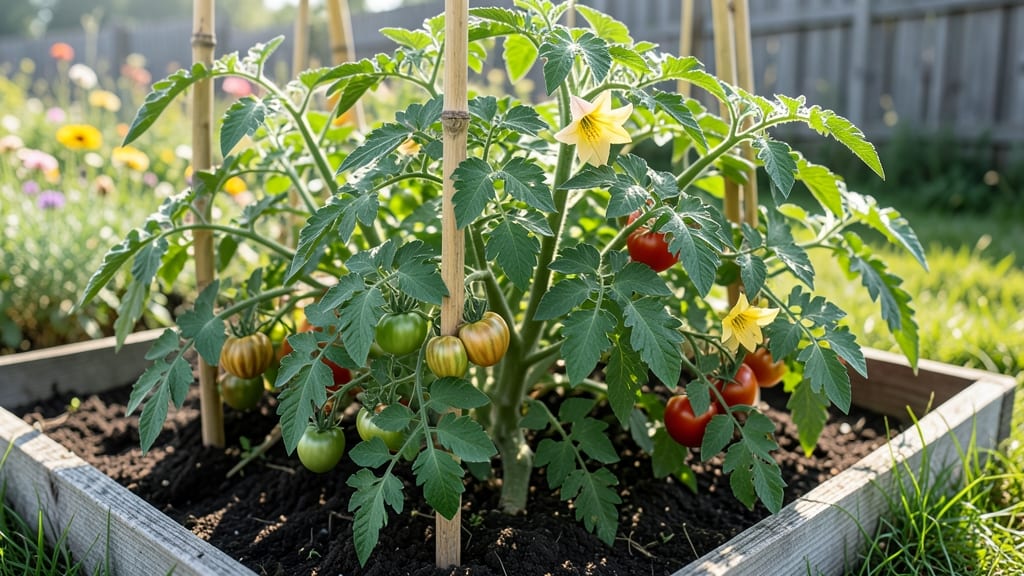
Growing tomatoes in cloudy climates just got easier with the Cloudy Day hybrid—this cold-resistant variety thrives where others fail. 🌱 I planted mine last spring in partial shade, and by midsummer, I was harvesting bright red tomatoes that tasted sweeter than anything from the store.
The secret? This tomato handles cooler temps and lower light better than most, making it perfect for northern gardens or shaded patios.
You’ll need well-draining soil mixed with compost, a sturdy container (at least 5 gallons), and a spot with 4-6 hours of sunlight daily.
Unlike finicky heirlooms, the Cloudy Day adapts to less-than-perfect conditions—just keep the soil consistently moist and watch for early signs of blossom end rot (we’ll fix that in a minute). Staking or caging helps support the vines as they grow, even in cooler weather.
By midseason, you’ll be picking 1-inch tomatoes that keep producing until frost. The flavor? Rich, balanced, and just sweet enough to make you forget you’re growing in less-than-ideal light. Prune suckers regularly to boost airflow, and watch for pests like aphids—neem oil works great if they show up.
This tomato proves you don’t need a sun-drenched plot to grow great tomatoes.
Works in containers, raised beds, or in-ground gardens—even in Zone 5 or cooler. If your garden gets less sun than a postcard, this is the tomato for you. Let’s get those seeds (or plants) in the ground!
📚 In This Guide
- What you need
- Instructions
- Tips and common mistakes
- Wrapping up and next steps
What you need
- ● Seeds or Seedlings: 1–2 Cloudy Day Hybrid Tomato seeds (or young seedlings from a reputable nursery).
- ○ Growing Containers (Optional but Helpful): 5-gallon fabric pots or plastic containers (2–3 per plant) with drainage holes.
- ● OR a raised bed (at least 12" deep) if planting directly in the ground.
- ● High-Quality Potting Mix: 1 bag (18–24 qt) of sterilized, well-draining potting mix (look for labels like "tomato mix" or "vegetable blend").
- ● Fertilizer: Balanced organic fertilizer (e.g., 5-5-5 or 10-10-10) or compost (1 cup per plant at planting time).
- ○ Slow-release fertilizer tablets (optional, for container growers).
- ● Support System: Cage (5–6 ft tall) or stakes (6 ft bamboo or metal) to support vines as they grow.
- ● Mulch: Straw, shredded leaves, or black plastic mulch (to retain warmth and moisture).
- ● Watering Tools: Watering can or hose with a gentle spray nozzle (avoid soaking leaves).
- ● Temperature: Starts seeds indoors at 70–80°F (21–27°C). Transplant outdoors only after soil reaches 55°F (13°C)—this variety tolerates cooler temps better than most!
- ● Sunlight: 6+ hours of direct sunlight daily (even on cloudy days, they’ll still thrive!).
- ● Space: Plants need 18–24 inches apart (or 2–3 plants per 5-gallon container).
- ○ Cold Protection (Optional): Frost cloth or row covers for early spring/fall planting.
- ● Cold frames (if growing in very chilly zones).
How to grow Cloudy Day Hybrid tomatoes in cooler climates
This cold-tolerant variety thrives where others fail—here’s how to maximize its potential.
🌱 Step 1: Select the Right Planting Time and Location
The Cloudy Day Hybrid handles cooler temperatures better than most, but timing still matters. Start seeds indoors 6-8 weeks before your last frost date—this gives seedlings enough time to develop strong roots before cooler soil slows growth. If planting directly outdoors, wait until soil reaches at least 55°F, even though this variety tolerates 40°F nights once established.
Choose a spot with at least 6 hours of direct light daily, even if it’s not full sun. Partial shade is fine, but avoid deep shade—Cloudy Day still needs light to set fruit. If your garden gets afternoon shade, prioritize morning sun exposure. I’ve grown this variety successfully under high-tunnel shade cloth (30% shade), where other tomatoes struggled.
☀️ Step 2: Prepare Soil for Cold-Resistant Growth
Cloudy Day tomatoes perform best in well-draining, fertile soil with a pH between 6.0 and 6.8. Amend heavy clay or sandy soil with 2-3 inches of compost mixed into the top 12 inches of soil. This variety’s cold tolerance comes from its compact growth habit, but poor soil will still stunt it.
Add a balanced organic fertilizer (5-5-5) at planting time and side-dress with compost tea every 4-6 weeks to maintain nutrient levels. Avoid fresh manure—it can burn tender roots and reduce cold hardiness. If your soil drains poorly, raise beds or plant in containers with drainage holes to prevent waterlogged roots.
🪴 Step 3: Plant and Support for Compact Growth
Set plants 18-24 inches apart in rows spaced 24-30 inches apart—this variety stays bushy but benefits from airflow to prevent disease. Bury stems one-third deeper than the root ball to encourage stronger root development. If transplanting, water deeply 2-3 days before moving to reduce shock.
Install cages or stakes at planting time—Cloudy Day’s indeterminate growth can get top-heavy. I use 5-foot bamboo stakes for single stems or 6-foot tomato cages for bushier plants. Prune suckers (the shoots in the leaf axils) to 2-3 leaves below the main stem to redirect energy to fruit production rather than excessive foliage.
💧 Step 4: Water and Mulch for Cold Tolerance
Keep soil consistently moist but not soggy—Cloudy Day tomatoes wilt easily if stressed. Water deeply 1-2 times per week, aiming for 1 inch of water per week, and more during fruit set. Use drip irrigation or soaker hoses to keep leaves dry, reducing fungal risks in cooler, humid conditions.
Apply 3-4 inches of straw or shredded leaves as mulch to insulate roots and retain moisture. This is especially critical in early spring or fall when soil temperatures fluctuate. Avoid plastic mulch—it can overheat soil and stress the plant. I’ve seen Cloudy Day tomatoes produce fruit even in 50°F soil, but consistent moisture is non-negotiable.
✂️ Step 5: Prune and Harvest for Continuous Production
Prune regularly to remove diseased or yellowing leaves, focusing on lower foliage to improve airflow. This variety produces fruit along the stem, so don’t prune too aggressively—you want to maintain leaf cover for photosynthesis. Harvest when tomatoes are fully colored and slightly soft to the touch, usually 70-75 days after transplanting.
If frost threatens before the season ends, cover plants with frost cloth at night to protect tender new growth. Cloudy Day tomatoes can tolerate light frosts (28-32°F) once established, but fruit may split if exposed to sudden temperature drops. I’ve harvested fruit well into October in Zone 5 by using row covers and mulch to extend the season.
Tips & tricks for growing cold-hardy tomatoes
These practical insights will help you coax maximum flavor and resilience from your Cloudy Day Hybrid plants—especially when temperatures play hard to get.
Timing is Everything: That 6-8 week indoor start window is non-negotiable for cold climates. I've learned the hard way that rushing seedlings outdoors too early leads to stunted growth when soil temps dip below 55°F. Use a seedling heat mat if your home runs cool—this variety's cold tolerance kicks in after roots establish, not before. For direct sowing, test soil temperature with a thermometer; 55°F is the absolute minimum for good germination, even though established plants handle 40°F nights.
Soil Science Matters: The pH range of 6.0-6.8 isn't just arbitrary—it's where Cloudy Day tomatoes access the most phosphorus for root development and calcium for cell wall strength. I test my soil annually and add sulfur to lower pH if needed (most northern soils run alkaline). For the 2-3 inches of compost, think of it as creating a "root blanket"—this variety's compact growth means it relies on consistent nutrient access, especially in cooler soils where microbial activity slows.
Light Management Strategy: That 6 hours of direct light minimum is critical for fruit set, but here's what nobody tells you: morning sun is more valuable than afternoon in cooler climates. I've seen Cloudy Day tomatoes produce under 30% shade cloth in Zone 5 summers because the afternoon light gets diffused while preserving moisture. If your garden has afternoon shade, prioritize east-facing beds—the cooler morning light helps prevent sunscald on fruit.
Frost Protection Hack: The 28-32°F tolerance is real, but sudden temperature swings cause more problems than steady cold. I've used row covers to create a 5-10°F buffer zone around plants during frost warnings. The key is securing covers before sunset—this traps radiant heat from the day while preventing wind chill. For established plants, a simple layer of straw mulch (4+ inches) can protect roots from temperature fluctuations that would stress other varieties.
Pro Tips for Cloudy Day Hybrid Tomato
- These practical insights will help you coax maximum flavor and resilience from your Cloudy Day Hybrid plants—especially when temperatures play hard to get.
- Timing is Everything: That 6-8 week indoor start window is non-negotiable for cold climates.
- Soil Science Matters: The pH range of 6.0-6.8 isn't just arbitrary—it's where Cloudy Day tomatoes access the most phosphorus for root development and calcium for cell wall strength.
Frequently asked questions
Got questions about growing Cloudy Day Hybrid Tomatoes? You’re not alone! Here are some of the most common queries—plus straightforward answers to help you succeed in cooler climates.
Can Cloudy Day tomatoes grow in containers or do they need a garden bed?
Cloudy Day Hybrid Tomatoes thrive in both garden beds and containers, making them a versatile choice for small spaces or urban gardens. Opt for a 5-gallon container minimum to support their vining habit. Ensure the pot has drainage holes and use a lightweight potting mix rich in organic matter. If growing in containers, move them to a sunny spot during the day and protect them from evening chills.
How cold can Cloudy Day tomatoes tolerate before frost damage occurs?
This cold-resistant variety can handle temperatures down to 28–32°F (-2 to 0°C) for short periods, but prolonged exposure below 32°F (0°C) may stunt growth or damage leaves. Use row covers, cold frames, or cloches to extend the season. Once temperatures drop below 25°F (-4°C), harvest any remaining fruit and protect plants with mulch or frost blankets.
When is the best time to plant Cloudy Day tomatoes in cooler climates?
Start seeds 6–8 weeks before your last frost date indoors under grow lights. Transplant seedlings outdoors 2–3 weeks after the last frost when soil temps reach at least 55°F (13°C). For extended growing seasons, consider early spring or late summer plantings—just ensure they have 6–8 hours of sunlight daily to compensate for cooler temps.
Why are my Cloudy Day tomatoes cracking, even though I’m watering consistently?
Cracking is common in tomatoes when soil moisture fluctuates dramatically. To prevent it:
- Water deeply and consistently (aim for 1–1.5 inches per week).
- Avoid overhead watering, which can cause uneven absorption.
- Use mulch to retain moisture and stabilize soil temps.
- Harvest tomatoes when they’re slightly firm to reduce stress.
What are some cold-hardy alternatives if Cloudy Day tomatoes don’t thrive in my area?
If your climate is too harsh, consider these cold-tolerant tomato varieties:
- Stupice – A Czech heirloom that survives 25°F (-4°C) and produces late-season fruit.
- Siberian – Thrives in short seasons and tolerates 30°F (-1°C).
- Mountain Merit – Disease-resistant and productive in cooler, high-altitude regions.
- Glacier – A subarctic variety that handles 28°F (-2°C) and produces fruit in 50 days.
Wrapping up and next steps
The Cloudy Day Hybrid Tomato is a game-changer for gardeners in cooler climates—proving that chilly weather doesn’t have to mean the end of your tomato dreams! 🌱 Its cold resistance, disease-fighting genes, and flavor-packed fruits make it a standout choice for both beginners and seasoned growers.
Whether you’re expanding your garden or just eager to try something new, this variety is your ticket to a bountiful harvest, even on overcast days.
Ready to grow your own Cloudy Day Tomatoes? Start by gathering your supplies, picking the perfect spot, and following the steps we’ve shared. Roll up your sleeves, get planting, and enjoy the satisfaction of harvesting homegrown tomatoes—no matter the forecast! 🍅✨