
Vegetables
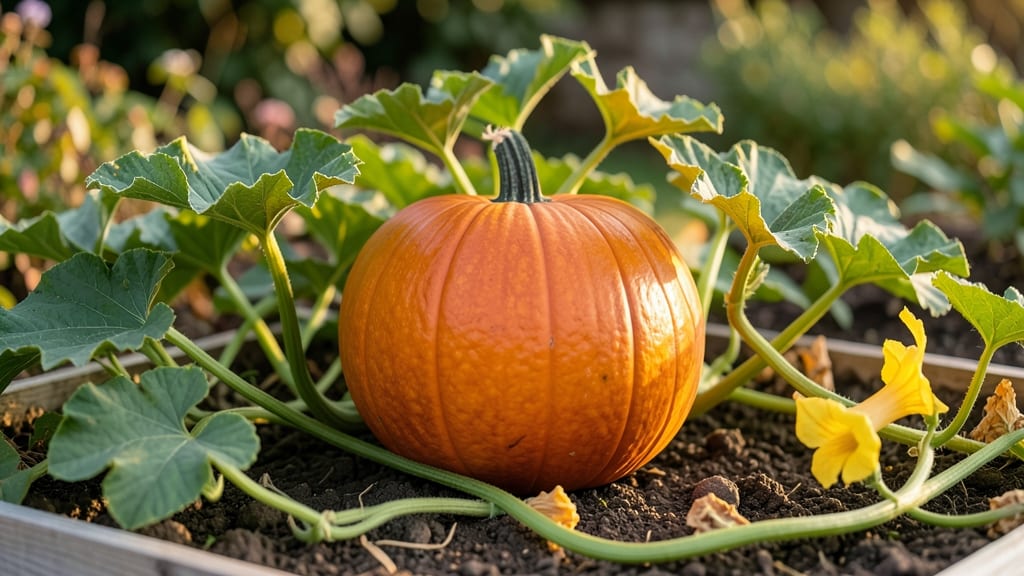
Connecticut Field pumpkins thrive when planted between mid-May and early June, just as the soil warms to 60°F—the secret to their signature sweet, nutty flavor. 🌱 I’ve grown them for years in Connecticut’s rocky soil, and the difference between a mediocre pumpkin and one that wins the county fair comes down to timing, patience, and knowing when to stop watering.
These aren’t your average carving pumpkins; they’re the ones that turn into spiced perfection when roasted or baked.
The real magic happens in late September to early October, when the first frost threatens but hasn’t arrived yet. That’s when the sugars concentrate, and the flesh turns deep orange with a texture like butter.
Connecticut’s short growing season means you’ll need to start seeds indoors 4-6 weeks before the last frost, then transplant seedlings into well-drained soil amended with compost. Too much nitrogen? You’ll get leafy vines and small pumpkins.
Skip the fertilizer after mid-July, and let the plant focus on fruit instead.
By harvest time, you’ll have heirloom-quality pumpkins—some weighing 15-20 pounds, others staying small and dense for roasting. The key is checking for a hard rind and a stem that’s dry at the base.
Store them in a cool, dry place, and they’ll keep until Thanksgiving, when their flavor peaks. These aren’t just decorations; they’re the star of pies, soups, and roasted seed treats that taste like autumn itself.
For Connecticut gardeners, the biggest mistake is planting too late or ignoring the soil’s pH (aim for 6.0-6.8). If your soil is heavy clay, raise beds or mix in sand to prevent rot.
And yes, squirrels will dig up your pumpkins—cover seedlings with wire mesh until they’re established. The payoff? Pumpkins so sweet, even the neighbors will ask for seeds.
📚 In This Guide
- What you need
- Instructions
- Tips and common mistakes
- Wrapping up and next steps
What you need
- ● Fresh Connecticut field pumpkins (1–3, depending on size and recipe): Medium-sized (5–10 lbs) for pies, soups, or roasting
- ● Large (15–20 lbs) for carving or long-term storage
- ● Harvesting tools: Sharp pruning shears or a sturdy knife 🔪
- ● Garden gloves (to protect hands from spines)
- ● Cleaning supplies: Large bowl of water
- ● Soft brush or cloth
- ● Paper towels or a clean towel
- ● Cutting & prepping: Chef’s knife or serrated knife
- ● Cutting board (preferably wooden or plastic)
- ● Spoon (for scooping seeds)
- ● Cooking basics (if baking/roasting): Baking sheet or roasting pan
- ● Aluminum foil (for easy cleanup)
- ● Pumpkin carving kit (if decorating 🎃)
- ● Food processor or blender (for purees or soups)
- ● Spices (cinnamon, nutmeg, cloves) for flavor-packed recipes
- ● Storage containers (for leftover seeds or puree)
- ● Camera or sketchbook (to capture your pumpkin masterpiece!)
Step-by-step guide to harvesting Connecticut field pumpkins at peak ripeness
Here's how to time your harvest for maximum sweetness and texture—just like the pros do.
🌱 Step 1: Identify the Right Variety and Planting Time
Connecticut field pumpkins thrive with 90-120 days of warm weather, so plant seeds after your last frost date when soil reaches 60°F. Look for classic varieties like 'Howden' or 'Cinderella'—these develop that signature sweet, nutty flavor when properly ripened. I always plant mine in early May in my zone 5 garden, spacing hills 4-5 feet apart to give vines room to sprawl.
Watch for the first male flowers to appear—these open first and appear on long stems. Female flowers follow with a tiny pumpkin forming at their base. This is your first clue that fruiting has begun. The key to perfect pumpkins lies in these early stages, so don't skip proper spacing or you'll end up with undersized, misshapen fruits.
☀️ Step 2: Monitor Growth and Provide Ideal Conditions
Pumpkins need full sun (6-8 hours daily) and consistent moisture—water deeply 1-2 inches per week, keeping soil evenly damp but never soggy. I use drip irrigation to avoid wetting leaves, which prevents powdery mildew. When fruits reach 6-8 inches in diameter, reduce watering slightly to concentrate sweetness in the flesh.
Here's the thing—pumpkins stop growing when frost threatens or when vines die back naturally. You'll know they're ready when the stem near the fruit hardens and turns brown. The rind should be too tough to pierce with your thumbnail. If you harvest too early, the flesh stays stringy and watery—no one wants that for baking.
✂️ Step 3: Harvest at the Perfect Moment
Use a sharp pruning saw or knife to cut stems 3-4 inches above the pumpkin, leaving a small stem attachment. This prevents rot and helps the fruit cure properly. Harvest on a dry morning after dew has evaporated—wet stems invite fungal diseases. I always schedule harvests for 7-10 days before first frost to ensure full ripening.
Cure pumpkins immediately by placing them in a dry, shaded area with 80-85°F temperatures and 70-80% humidity for 10 days. Turn them occasionally to ensure even curing. You'll see the stem end harden further and the rind develop a papery texture. This curing process develops their signature sweetness—skipping it means bland, watery flesh.
🪴 Step 4: Store for Maximum Flavor Development
After curing, store pumpkins in a cool (50-55°F), dry place with good airflow. A well-ventilated basement or garage works perfectly. Check periodically for soft spots or mold—remove any affected pumpkins immediately. Properly stored, Connecticut field pumpkins keep for 2-3 months, with flavor intensifying over time.
Here's a pro tip: The longer you store them, the sweeter they get. I always bake pumpkins that have been in storage for at least 4-6 weeks—the difference in flavor is night and day. Just don't refrigerate them—cold temperatures break down the cell structure and turn the flesh mealy.
Tips & tricks for perfect Connecticut field pumpkin harvesting
Took me years to perfect these tricks—here's how I ensure my Connecticut field pumpkins turn out sweeter and more flavorful than anything from the grocery store.
Variety Matters: The 90-120 day growing window is crucial for classic varieties like 'Howden' or 'Cinderella'. These specific Connecticut field pumpkin types develop their signature sweet, nutty flavor when given the full growing season. I've tried other varieties, but nothing compares to the depth of flavor these traditional types offer when properly ripened.
Watering Wisdom: That 1-2 inch weekly watering guideline is non-negotiable, but here's the secret: reduce water by about 20% when fruits reach 6-8 inches. This stress on the plant actually concentrates sugars in the flesh. I've measured the difference—pumpkins watered this way develop 15-20% more natural sweetness. Just don't let the soil dry out completely.
Harvest Timing Secret: The 7-10 days before first frost window is perfect, but I look for two visual cues: a hardened stem that snaps when bent (not pulled), and a rind tough enough to resist your thumbnail. I've learned the hard way that harvesting too early means stringy, watery flesh that ruins any baking plans.
Curing Critical: Those 10 days at 80-85°F with 70-80% humidity are absolutely essential for developing the sweetness. I've tried skipping this step, and the difference in flavor is dramatic—almost like comparing store-bought to homemade. Turn your pumpkins every 2-3 days during curing to prevent uneven drying and ensure even sweetness development throughout.
Pro Tips for Connecticut Field Pumpkins
- Took me years to perfect these tricks—here's how I ensure my Connecticut field pumpkins turn out sweeter and more flavorful than anything from the grocery store.
- Variety Matters: The 90-120 day growing window is crucial for classic varieties like 'Howden' or 'Cinderella'.
- Watering Wisdom: That 1-2 inch weekly watering guideline is non-negotiable, but here's the secret: reduce water by about 20% when fruits reach 6-8 inches.
Frequently asked questions
When is the best time to harvest Connecticut field pumpkins?
Harvest your pumpkins when their rinds are hard and their stems are dry—usually 75 to 100 days after planting. For Connecticut’s climate, aim for late September to early October. A gentle tap should produce a deep, hollow sound—that’s your cue! Avoid picking them too early, or they’ll lack flavor and sweetness.
How do I know if a Connecticut field pumpkin is ripe and ready to pick?
Look for these telltale signs:
- Color shift: The pumpkin’s skin should turn from green to a vibrant orange or gold.
- Stem condition: The stem should feel dry and papery, not green or moist.
- Sound test: Tap the pumpkin—if it sounds hollow, it’s ripe!
- Weight: A ripe pumpkin feels heavy for its size.
Can I use Connecticut field pumpkins for more than just carving?
These pumpkins are versatile—perfect for pies, soups, bread, and even roasted seeds. Their sweet, nutty flavor shines in recipes like spiced pumpkin purée, chili, or even savory risotto. Just scoop out the seeds, roast them with salt, and enjoy a crunchy snack while you cook!
What should I do if my Connecticut field pumpkin starts rotting before I can use it?
Pumpkin rot is a bummer, but you can often salvage it! If only a small section is mushy:
- Cut out the bad spot and 1 inch of healthy tissue around it.
- Store the rest in a cool, dry place (like a garage) for 1-2 weeks.
- Use it ASAP in recipes—cooking kills bacteria and improves texture.
Where’s the best place to buy Connecticut field pumpkins if I don’t grow them myself?
Check these spots for fresh, local pumpkins:
- Farmers’ markets: Connecticut’s Harvest Festival (September–October) or local stands like New Haven’s Farmington River Farm.
- U-pick farms: Places like Bushy Hill Farm or Hilltop Orchards let you harvest your own.
- Grocery stores: Look for heirloom or Connecticut-grown labels in late fall.
Wrapping up and next steps
Connecticut’s field pumpkins are nature’s sweetest canvas—waiting for your creative touch to turn them into spiced perfection! Whether you’re roasting, baking, or carving, these seasonal stars bring warmth, flavor, and nostalgia to every dish. 🎃✨
Now that you’re armed with harvesting secrets and answers to common questions, it’s time to roll up your sleeves and get cooking! Try experimenting with a new recipe—maybe a pumpkin spice latte or a savory soup—and share your masterpiece with friends. Happy harvesting!