
Vegetables
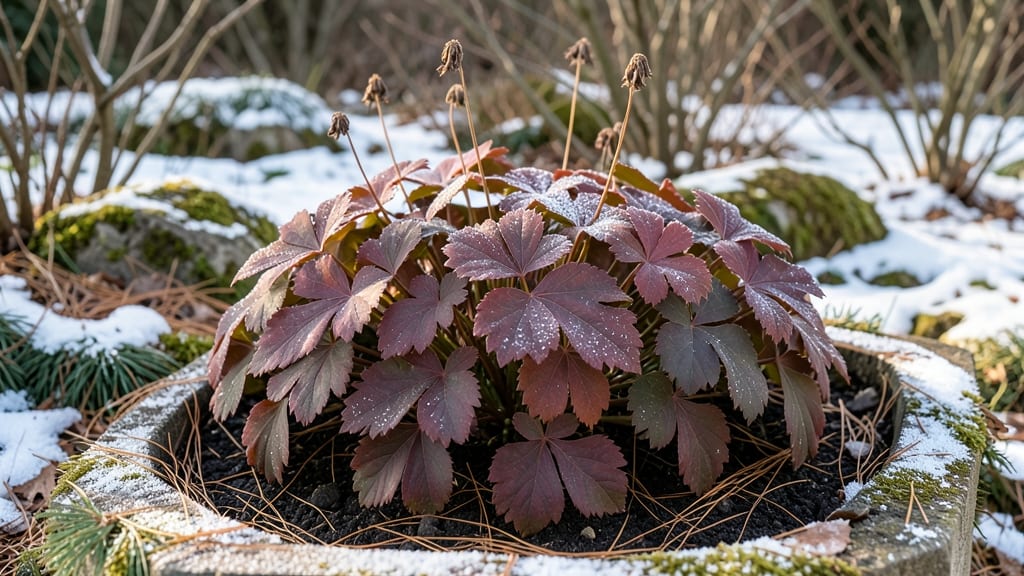
Caring for coral bells (Heuchera) in winter means keeping their stunning foliage alive through frost—even when leaves turn crispy. 🌿 I learned the hard way that these plants aren’t as tough as they look, but with the right prep, they bounce back stronger every spring.
The key is understanding whether your variety is evergreen or deciduous, then protecting them from winter’s worst. Most coral bells go dormant in winter, dropping leaves or turning brown, but the roots stay alive underground.
Mulch heavily with 3-4 inches of shredded leaves or straw to insulate roots, and avoid watering once the ground freezes. Evergreen varieties like ‘Palace Purple’ need extra shelter—wrap them in burlap or use a frost blanket if temps drop below 10°F.
By late winter, you’ll see fresh growth pushing through the mulch, often 2-3 weeks before spring planting starts. The leaves may look ragged, but the plant’s energy is stored in those roots, ready to explode with color. Just avoid pruning until new growth appears—cutting too early removes next season’s foliage.
Works for both in-ground plants and container-grown coral bells. Here’s how to keep them thriving through the cold months—no green thumb required!
📚 In This Guide
- What you need
- Instructions
- Tips and common mistakes
- Wrapping up and next steps
What you need
- ● Coral bells plants: 3–5 mature plants (choose varieties like Heuchera 'Palace Purple' or 'Lavender Lace' for cold hardiness).
- ● Well-draining potting mix: 10–15 lbs (or pre-mixed container blend with perlite/peat).
- ○ Containers (optional but helpful): 3–5 12–14-inch diameter pots with drainage holes (terracotta or plastic).
- ● OR garden beds amended with compost (if planting in-ground).
- ● Mulch: 2–3 inches of straw, shredded leaves, or bark mulch (insulates roots!).
- ● Slow-release fertilizer: 1 lb of 10-10-10 or balanced organic fertilizer (sprinkle lightly in early spring).
- ● Garden gloves & trowel: For handling plants and soil.
- ● Watering can or hose with gentle nozzle: Avoid soggy roots!
- ● Burlap or frost cloth: 1–2 rolls (to wrap pots or cover plants during hard freezes).
- ● Gravel or pebbles: Small bag (for drainage layers in pots).
- ● Plant labels: Waterproof markers to track varieties.
- ● 🌡️ Zone check: Verify your USDA Hardiness Zone—most coral bells survive zones 4–9 with proper care!
- ● ✨ Sunlight: Ensure partial shade (especially in harsh winters) to prevent leaf scorch.
- ○ 📊 Soil test kit (optional): Test pH (ideal: 6.0–7.0) for peak color vibrancy.
Step-by-Step guide to protecting coral bells through winter
Here’s how to keep your coral bells vibrant and healthy when frost arrives.
🌿 Step 1: Assess Your Coral Bells’ Winter Hardiness
First, check your specific coral bells variety—some, like Heuchera ‘Palace Purple’ or Heuchera ‘Berry Smoothie’, thrive in USDA Zones 4-9, while others may need extra care. Look for signs of stress like yellowing leaves or stunted growth, which could mean your plants aren’t yet hardened off. If your garden is in Zone 4 or colder, you’ll need to take protective measures.
Dig around the base of the plant to check roots—healthy roots should be firm and white, not mushy or brown. If roots look weak, your coral bells may need a little extra winter prep to bounce back in spring. This is also the time to trim back any dead or damaged foliage with clean, sharp pruners. Cut back to about 2 inches above the soil line to encourage fresh growth in spring.
☀️ Step 2: Choose the Right Protection for Your Climate
In mild winters (Zones 7-9), coral bells usually survive with just a 2-3 inch layer of mulch around the base. Use the 3-4 bags of shredded bark mulch you’ve gathered, spreading it in a donut shape around the plant (not touching the stems) to insulate the roots. This keeps soil temperatures stable and prevents heaving during freeze-thaw cycles.
For colder climates (Zones 4-6), you’ll need more protection. After mulching, wrap the entire plant in burlap or frost cloth, securing it loosely with stakes or twine. This creates a microclimate that traps warmth. Avoid plastic—it can trap too much moisture and cause rot. If heavy snow is expected, gently brush it off the foliage to prevent breakage.
⏰ Step 3: Monitor and Adjust Through the Season
Check your coral bells every 2-3 weeks during winter, especially after heavy snowfall or temperature drops below 20°F. If mulch shifts or compacts, fluff it up to maintain insulation. Look for signs of frost damage—wilting, brown edges, or crispy leaves. If you see this, gently brush off any ice or snow and add a 1-inch layer of extra mulch if needed.
In late winter (around February), remove any protective wraps or cloths on warmer days to let the plant breathe. This prevents mold or rot from trapped moisture. If your area experiences freeze-thaw cycles, avoid disturbing the mulch too early—wait until the ground starts to thaw consistently. Coral bells are tough, but they’ll thank you for patience.
🌱 Step 4: Prepare for Spring Revival
As temperatures rise above 40°F consistently, it’s time to remove all winter protection. Use a rake to gently pull back mulch and check for signs of new growth. You’ll likely see tiny green shoots emerging from the base—this is your cue that the plant is waking up. If the soil looks dry, water lightly to encourage root activity without oversaturating.
Once all frost risk has passed (usually by mid-April in most regions), fertilize with a balanced, slow-release fertilizer to jumpstart growth. Coral bells respond well to a 10-10-10 formula applied at half strength. This gives them the nutrients they need to rebound with vibrant foliage and prepare for another season of color.
Tips & tricks for protecting coral bells through winter
These simple strategies will help your coral bells survive—and even thrive—through the coldest months. Between us, I’ve seen too many beautiful foliage plants suffer from winter neglect, so let’s get this right.
Zone-Specific Prep: The 2-inch pruning cut in Step 1 isn’t arbitrary—it’s about balance. For varieties like Heuchera ‘Berry Smoothie’ in Zone 5, you might want to trim even closer to 1 inch above the soil line. This reduces exposed foliage that could freeze, but don’t go below 1 inch or you risk damaging the crown. The goal is to protect the plant’s energy reserves for spring growth.
Mulch Depth Matters: That 2-3 inch mulch layer in Step 2 works wonders, but here’s the secret: spread it wider than you think. Aim for a 6-inch diameter ring around the plant base. This creates better insulation around the root zone where cold damage often starts. For extra protection in Zone 4, add a second layer of mulch after the first snowfall—just don’t pile it against the stems.
Frost Cloth Hacks: When wrapping plants in Step 2, don’t make it airtight. Secure the frost cloth loosely with twine, leaving the top slightly open to allow moisture to escape. I’ve seen too many plants develop mold from trapped humidity. Also, if you’re using burlap, soak it in water first—it holds heat better when damp but still breathes properly.
Spring Revival Timing: The 40°F threshold in Step 4 is your cue, but don’t rush it. Wait until mornings consistently stay above 40°F before removing all protection. I’ve had coral bells wake up too early only to get nipped by late frosts. For extra insurance, keep a small piece of frost cloth handy in case unexpected cold snaps hit after you’ve removed the main protection.
Pro Tips for Coral Bells In Winter
- These simple strategies will help your coral bells survive—and even thrive—through the coldest months.
- Zone-Specific Prep: The 2-inch pruning cut in Step 1 isn’t arbitrary—it’s about balance.
- Mulch Depth Matters: That 2-3 inch mulch layer in Step 2 works wonders, but here’s the secret: spread it wider than you think.
Frequently asked questions
Got questions about keeping your coral bells thriving in winter?
You’re not alone! Here are some of the most common queries—plus straightforward answers to help you master cold-weather care for these stunning perennials.
Can coral bells survive freezing temperatures?
Most Heuchera varieties (coral bells) are hardy down to USDA Zones 4-9, meaning they can tolerate light freezes (as low as 10°F/-12°C) with proper prep. Mulch heavily (3-4 inches) and protect young plants with burlap wraps. Evergreen types like Heuchera 'Palace Purple' handle winter best!
Do I need to cut back coral bells in winter?
No—leave the foliage intact! Dead leaves act as natural insulation, shielding roots from extreme cold. Trim back only in early spring (before new growth appears) to remove damaged stems. Over-trimming can stress plants and delay spring revival.
What if my coral bells look sad after winter?
Don’t panic! Heuchera often appear wilted or discolored in spring due to frost damage, but they’re usually fine. Water lightly (soil should stay slightly moist, not soggy) and fertilize with a balanced 10-10-10 mix in early March. New growth should emerge within 2-4 weeks.
Are there winter-hardy alternatives to coral bells?
Yes! If coral bells struggle in your climate, try these cold-resistant perennials for year-round interest:
- Sedum ('Autumn Joy'): Thrives in Zones 3-9, drought-tolerant.
- Hellebores ('Lenten Rose'): Blooms in winter (Zones 4-9).
- Ornamental Grasses ('Karl Foerster'): Adds texture, hardy to Zone 4.
Pro Tip: How to revive coral bells after a hard freeze?
If your plants look truly crispy after a deep freeze:
- Wait until daytime temps stay above 50°F (10°C) for 3+ days.
- Prune only dead stems (snip at the base with clean shears).
- Apply a 2-inch layer of shredded bark mulch to insulate roots.
- Water deeply once to encourage root recovery.
Wrapping up and next steps
Coral bells in winter prove that color and life don’t take a vacation when the cold rolls in! With the right care—like choosing frost-hardy varieties, protecting tender leaves, and embracing their seasonal charm—you can enjoy their vibrant hues year-round.
Whether you’re a seasoned gardener or a curious beginner, this resilient plant is your ticket to a lively, low-maintenance winter landscape.
Ready to transform your garden into a winter wonderland? Start by selecting your favorite coral bells variety and grab your supplies—then get planting! Your future self (and your winter garden) will thank you. 🌿❄️