
Vegetables
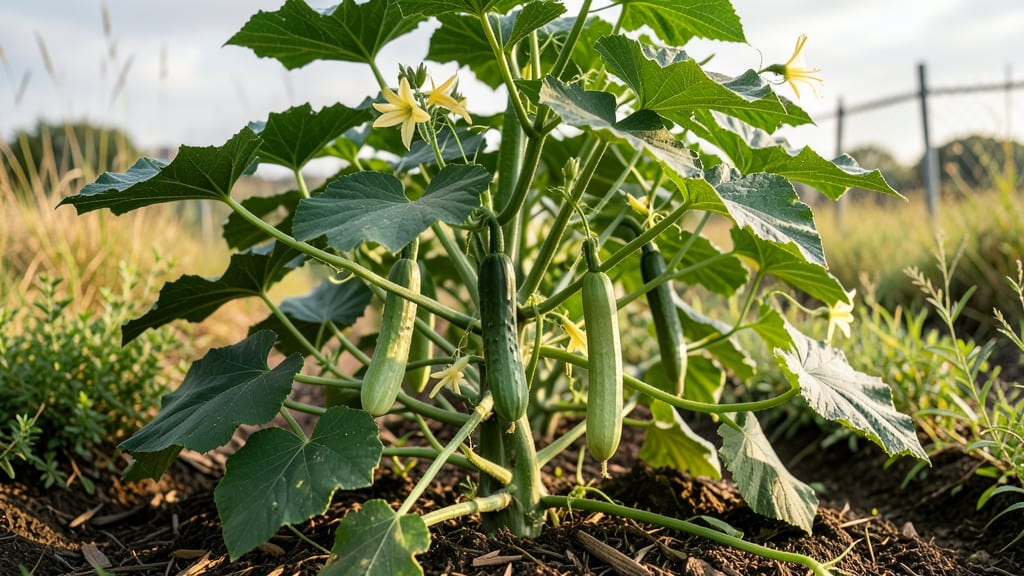
Growing Corinto cucumbers from seed unlocks a cold-hardy variety that keeps producing long after most gardeners have packed it in. 🌱 These aren't your typical summer cucumbers—they're a perennial treasure that thrives in cooler climates and even overwinters in mild zones, giving you fresh harvests when others are done.
The secret lies in their tough-as-nails nature: they tolerate light frosts, need less pampering than annual cucumbers, and reward patience with sweet, crisp fruit that's perfect for slicing or pickling. My first batch surprised me with harvests from April through October—and that was in Zone 5!
You'll need well-draining soil, full sun (at least 6 hours daily), and consistent moisture, but the setup is simpler than you'd think. The real magic happens when you let them climb—trellising keeps fruit clean and makes harvesting easier.
Perfect for gardeners who want low-maintenance productivity with fewer pests. Let's get those seeds in the ground!
📚 In This Guide
- What you need
- Instructions
- Tips and common mistakes
- Wrapping up and next steps
What you need
- ● Corinto cucumber seeds – Purchase heirloom, non-GMO seeds from a trusted supplier (e.g., Baker Creek, Seed Savers Exchange, or local nurseries). Aim for 3–5 seeds per plant (thin to 1–2 strong seedlings).
- ● Well-draining soil mix – Use a blend of: 60% compost or aged manure (for nutrients)
- ● 30% garden soil or potting mix
- ● 10% perlite or vermiculite (for aeration)
- ● Containers or garden bed: Containers: 5-gallon pots or larger (minimum 12–18 inches deep and 12 inches wide per plant). Use fabric grow bags or plastic pots with drainage holes.
- ● Garden beds: Full sun (6+ hours daily) and 6–8 feet between rows (vines spread!).
- ● Organic fertilizer – A balanced 5-5-5 or 10-10-10 or compost tea to boost early growth.
- ● Watering can or hose with a gentle spray nozzle – Corinto cucumbers need 1–2 inches of water weekly (more in heat).
- ● Trellis or stakes – 6–8 feet tall (bamboo, metal, or netting) to support vines and improve air circulation.
- ● Pruning shears – For trimming excess leaves or runners (sterilize with rubbing alcohol!).
- ● Mulch – Straw or shredded leaves to retain moisture and suppress weeds.
- ● Row covers or shade cloth (30–50% shade) – Protects young plants from pests and intense sun.
- ● pH test kit – Ideal soil pH: 6.0–6.8. Adjust with lime (to raise pH) or sulfur (to lower).
- ● Compost tea or liquid seaweed – Boosts microbial activity and plant resilience.
- ● Harvest basket or scissors – For clean cuts (leave ½ inch of stem to encourage more growth!).
Step-by-step instructions for planting and cultivating Corinto cucumber seeds
Here's how to transform those cold-hardy Corinto cucumber seeds into a thriving, year-round harvest—no greenhouse needed.
🌱 Step 1: Prepare the Soil for Perennial Growth
Corinto cucumbers thrive in well-draining soil with a pH between 6.0 and 7.0. Work 3-4 inches of compost into the top 12 inches of soil to improve fertility and moisture retention. These plants are heavy feeders, so I always mix in a balanced organic fertilizer (like 5-5-5) at planting time to support their vigorous growth.
Test your soil's drainage by digging a 6-inch hole, filling it with water, and timing how long it takes to drain. If water remains after 4 hours, amend with sand or perlite to prevent root rot. Corinto cucumbers hate soggy feet, so proper drainage is non-negotiable for their long-term health.
☀️ Step 2: Plant Seeds at the Right Depth and Spacing
Sow 2-3 seeds per hole at a depth of ½ inch, spacing holes 18-24 inches apart in rows 3 feet apart. These cucumbers spread aggressively, so give them room to sprawl or train vertically. I plant mine along a trellis or fence to save space and improve air circulation, which reduces disease risk.
After planting, water gently but thoroughly to settle the soil around the seeds. Keep the planting area consistently moist until germination, which typically occurs in 7-14 days depending on soil temperature. If your climate runs cool, a black plastic mulch over the bed will warm the soil and speed up sprouting.
💧 Step 3: Maintain Moisture and Fertility for Continuous Harvests
Corinto cucumbers need 1-1.5 inches of water per week, delivered at the soil level to avoid fungal diseases. I water deeply 2-3 times per week, early in the morning to allow foliage to dry before evening. These plants are drought-tolerant once established, but consistent moisture is key during fruiting to prevent bitter-tasting cucumbers.
Feed plants with a liquid fertilizer (like fish emulsion or seaweed extract) every 4-6 weeks during the growing season. You'll know they're happy when vines grow 6-12 inches per week and produce 10-15 cucumbers per plant over multiple harvest cycles. Prune leggy vines in early summer to redirect energy to fruit production.
✂️ Step 4: Prune and Harvest for Year-Round Productivity
Harvest cucumbers when they reach 6-8 inches long for peak flavor and texture. Use pruning shears to cut stems ½ inch above the fruit to encourage more production. I pick every 2-3 days during peak season to prevent overcrowding, which stresses the plant and reduces yield.
In fall, cut back vines to 1 foot tall and mulch heavily with straw or leaves to protect roots from winter chill. Corinto cucumbers are perennial in USDA Zones 8-11, so they'll regrow from the same roots next season. Just remove old growth in early spring and feed lightly to restart growth.
Tips & tricks for perfect Corinto cucumber cultivation
These pro-level insights will help you maximize your Corinto cucumbers' cold-hardy potential and avoid common pitfalls that sabotage perennial yields.
Soil Preparation Secret: When amending soil with 3-4 inches of compost and organic fertilizer, focus on the top 12 inches where roots will establish. I like to mix in a handful of worm castings too—it boosts microbial activity that helps roots access nutrients more efficiently. For the 4-hour drainage test, use a clear container so you can actually see water movement rather than guessing by feel.
Planting Precision: The ½-inch seed depth and 18-24 inch spacing might seem generous, but these cucumbers reward proper room to sprawl. I've found that planting along a sturdy trellis not only saves space but also creates better air circulation that prevents powdery mildew. Mark your planting holes with sticks or flags so you don't accidentally disturb roots when weeding later.
Germination Hack: That 7-14 day germination window can feel like forever, but black plastic mulch works wonders in cooler climates. If you're planting in spring when soil temperatures are still chilly, cover the bed with clear plastic first to warm the soil for 2-3 days before planting. This can shave weeks off your growing season and get you harvesting sooner.
Harvest Timing: The 6-8 inch size window for harvesting is critical—cucumbers continue growing after they're picked, so don't wait too long or you'll get seedy, bitter fruits. I harvest every 2-3 days during peak season and immediately check for any missed cucumbers that might have grown beyond ideal size. This consistent harvesting actually stimulates more production from the same plant.
Pro Tips for Corinto Cucumber Seeds
- These pro-level insights will help you maximize your Corinto cucumbers' cold-hardy potential and avoid common pitfall...
- Soil Preparation Secret: When amending soil with 3-4 inches of compost and organic fertilizer, focus on the top 12 in...
- Planting Precision: The ½-inch seed depth and 18-24 inch spacing might seem generous, but these cucumbers reward prop...
Frequently asked questions
Got questions about growing Corinto cucumber seeds? You’re not alone! Here are answers to the most common queries—from planting tips to troubleshooting—to help you grow this cold-hardy, perennial cucumber like a pro.
How cold can Corinto cucumbers tolerate, and when should I plant them?
Corinto cucumbers are exceptionally cold-hardy—they can survive light frosts down to 20°F (-6°C)! Plant seeds in early spring (3–4 weeks before last frost) or even fall (6–8 weeks before first frost) for a winter harvest. In mild climates, they may even produce year-round.
Are Corinto cucumbers truly perennial, or do they die back annually?
Yes, they’re perennial in USDA zones 7–10! While tops may die back in winter, the roots survive, and new growth emerges in spring. In colder zones (5–6), treat them as short-lived perennials—they’ll return for 2–3 years with proper care. Mulch heavily in winter for extra protection.
How do I prevent powdery mildew on Corinto cucumbers?
Powdery mildew is common, but Corinto’s disease resistance helps. Still, improve airflow with spaced plants (18–24” apart), water at the base (not leaves), and apply neem oil or copper fungicide preemptively. Prune lower leaves for better circulation.
Can I save Corinto cucumber seeds, and how?
Let a few cucumbers fully ripen on the vine (yellow and shriveled), then scoop out seeds, rinse, and dry on paper towels for 3–5 days. Store in a cool, dark place for up to 3 years. Pro tip: Cross-pollination is rare, so seeds stay true to type.
What’s the best way to harvest Corinto cucumbers for pickling vs. eating fresh?
For pickling, harvest when 1–2” long (crisp and tender). For fresh eating, wait until 4–6” long (sweeter and less seedy). Use sharp shears to avoid damaging vines, and pick every 2–3 days to encourage more production.
Wrapping up and next steps
Growing Corinto cucumber seeds is a rewarding journey that brings fresh, delicious harvests to your table—even in cooler climates! 🌱 These cold-hardy perennials thrive with minimal fuss, offering year-round potential when nurtured properly. Whether you're a seasoned gardener or just starting, their resilience and productivity make them a standout choice.
Ready to dive in? Start by gathering your seeds, soil, and tools, then follow the steps to plant and care for your Corinto cucumbers. Your garden—and taste buds—will thank you! Happy growing! 🌿