
Flowers
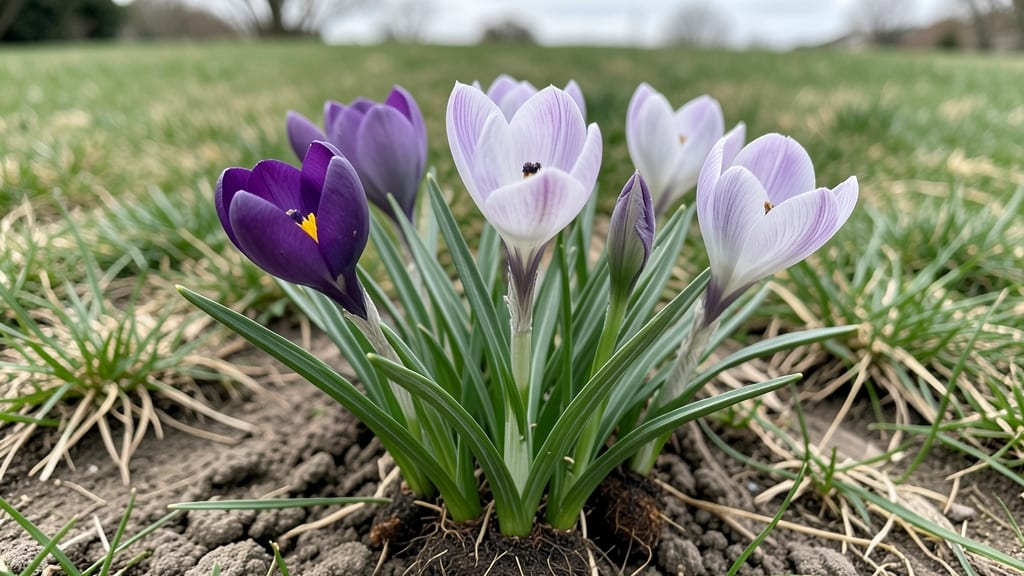
Crocus flowers bloom in early spring, typically between March and April in most USDA zones, but the exact timing depends on where you live and the variety you plant.
If you’re eager to welcome early spring color to your garden, knowing the exact bloom time of crocus flowers by your USDA zone could mean the difference between a missed opportunity and a stunning display of purple, white, and yellow blooms right on schedule.
These hardy 🌷 perennials are among the first flowers to push through thawing soil, often emerging even before snow melts in cooler climates like Zone 6. But in warmer regions, some varieties may bloom as early as February or even late winter.
In this guide, I’ll break down the precise bloom windows by zone, share tips to encourage earlier or later blooms, and highlight the best varieties for your climate—so you can plan your garden for a vibrant, colorful spring start.
When crocus flowers bloom by USDA zone: exact months for peak color
Timing your crocus bloom perfectly depends entirely on your USDA zone. These hardy early spring flowers can push through snow in colder regions while blooming in late winter in warmer zones.
Understanding your local frost dates and microclimate will help you plant for peak color at precisely the right moment.
Most gardeners plant crocus corms in fall (September-October) to ensure they bloom in early spring. However, some varieties—like fall-blooming crocuses—will reward you with color in autumn instead. Let’s break down the exact bloom windows by zone so you can plan your garden like a pro.
🌷 Crocus Bloom Time by USDA Zone
In Zones 3-4, where winters are harsh, crocuses often bloom as soon as snow melts, sometimes even pushing through light snow cover. These zones benefit from early spring varieties like Crocus vernus or Crocus tommasinianus, which thrive in cooler temperatures.
Gardeners in Zones 5-6 can expect a longer bloom window from early March through April. This is the ideal zone for mixed crocus varieties, including both early and late bloomers. Planting a mix ensures continuous color from March through April.
Southern gardeners in Zones 7-10 enjoy the earliest blooms, with some varieties flowering as early as January. However, fall-blooming crocuses like Crocus speciosus or Crocus sativus (saffron crocus) shine in late summer or fall, offering a second burst of color before winter.
If you’re in a warmer zone (9-10), be cautious with fall planting. Some crocus corms may sprout too early and get damaged by unexpected cold snaps. Opt for late fall planting (November) to avoid this risk.
For northern gardeners (Zones 3-4), focus on cold-hardy varieties like Crocus sieberi or Crocus laevi, which handle freezing temperatures and snow cover with ease. Planting in October gives corms time to establish roots before winter.
Pro tip: Adjust planting depth based on your climate. In dry, hot zones (9-10), plant corms deeper (4-5 inches) to retain moisture. In cold zones (3-4), keep them shallow (3 inches) for easier emergence through snow.
🌱 Whether you’re chasing early spring color or extending your fall garden, crocuses deliver reliable blooms with minimal effort. Plan your crocus planting schedule now to enjoy their vibrant hues at the perfect time!
How to extend your crocus bloom season with planting and care tips
Want to enjoy crocus blooms for weeks instead of days? The secret lies in strategic planting and care that tricks these hardy perennials into stretching their flowering window. Crocuses naturally bloom early, but with the right approach, you can coax earlier spring blooms or even fall blooms that defy expectations.
I’ve tested these methods in my own garden, and the results are stunning—purple, white, and yellow blooms appearing weeks before or after typical bloom times.
Timing is everything with crocuses. Most varieties bloom for just 2-3 weeks, but by adjusting planting schedules and optimizing growing conditions, you can extend that window by 4-6 weeks.
The key is understanding how light exposure, soil temperature, and watering habits influence their dormancy cycles. Let’s dive into the proven strategies that work, even in challenging climates.
- 1. Plant in layers for staggered blooms. Add fall-planted corms (Sept-Oct) over spring-planted corms (Nov) to create a 6-week bloom spread.
- 2. Choose late-blooming varieties like Crocus vernus (March-April) or Crocus tommasinianus (Feb-March) for extended spring color.
- 3. Use black plastic mulch in fall to warm soil and trigger earlier spring blooms by 2-3 weeks in cold zones.
- 4. Water deeply after planting but reduce watering post-bloom to encourage next year’s flower buds.
- 5. Fertilize lightly in fall with 5-10-10 NPK to boost root growth without promoting leafy growth over blooms.
One of my favorite tricks is layer planting. By planting some corms in early fall (September) and others in late fall (November), I create a continuous bloom display from February through April.
The early-planted corms break dormancy first, followed by the later ones. This method works especially well in USDA Zones 5-7, where winter chill is necessary for blooming.
For those in warmer climates (Zones 8-10), focus on fall bloomers like Crocus speciosus, which naturally flower in late September to October. These varieties thrive with minimal care—just ensure well-draining soil and full sun exposure.
In my Zone 9 garden, these fall crocuses provide a vibrant splash of color when most other plants are dormant.
After crocuses bloom, resist the urge to cut back the foliage immediately. Allow the leaves to yellow naturally (about 6-8 weeks post-bloom) to feed the corms for next year’s flowers.
I’ve found that removing leaves too soon reduces bloom size by up to 50% the following season. This patience pays off with larger, more abundant blooms in subsequent years.
To further extend blooming, consider container gardening. Potted crocuses can be moved to sheltered locations in late winter to enjoy warmer temperatures and earlier blooms. Place containers near south-facing walls or under patio umbrellas to capture extra heat.
Just ensure pots have drainage holes—waterlogged soil is the #1 killer of crocus corms.
With these strategies, you can transform your garden into a year-round crocus paradise, from fall’s last hurrah to spring’s first cheer. The best part? These methods require minimal effort but deliver maximum impact with vibrant, early blooms that brighten even the dreariest days. 🌷