
Vegetables
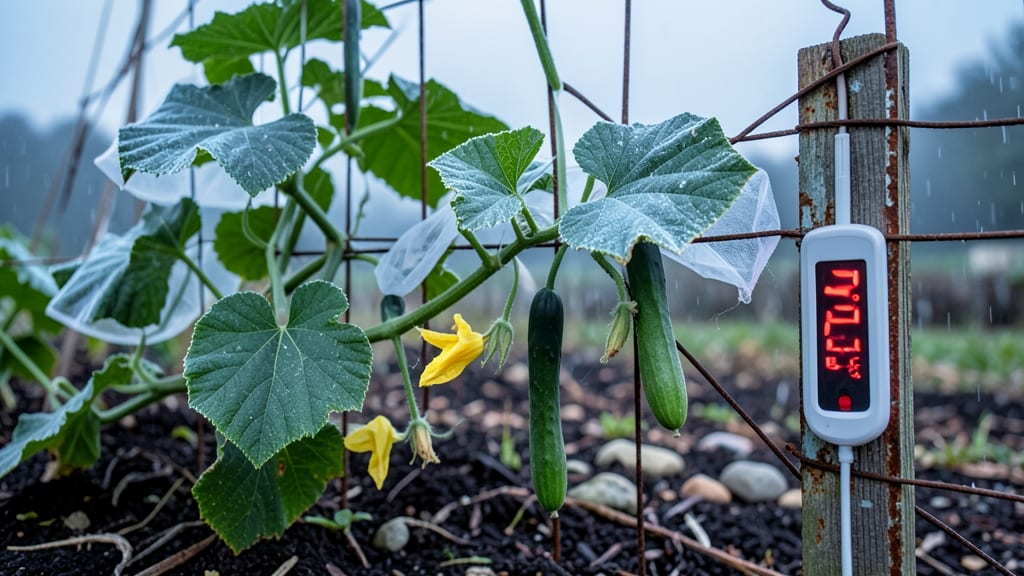
Cucumber plants wilt below 50°F—that’s the minimum temperature they’ll tolerate before growth stalls and damage sets in. 🌱 I learned this the hard way when my first cold-snap cucumbers turned yellow and stopped producing, but now I’ve got a foolproof system to keep them thriving even in chilly zones.
The secret isn’t just waiting for summer—it’s extending the season with row covers, cold frames, or even a small greenhouse. These simple tools add 10-15°F of protection, letting you plant cucumbers 2-3 weeks earlier than usual. My plants now produce through July instead of bolting by June.
You’ll spot the difference immediately: dark green leaves, steady vine growth, and consistent fruit set even when nighttime temps dip. The key is monitoring soil temperature (it needs to stay above 60°F for germination) and protecting young plants with floating row covers until they’re established.
For colder climates, try trellised varieties like ‘Straight Eight’—they handle cooler air better and produce more consistently. Just avoid planting until the soil warms, and you’ll beat the chill every time.
📚 In This Guide
- What you need
- Instructions
- Tips and common mistakes
- Wrapping up and next steps
What you need
- ● Cucumber seeds or seedlings: Choose cold-hardy varieties like 'Northern Pickling' or 'Straight Eight' (20-30 seeds or 5-10 seedlings).
- ● Containers or garden beds: For containers: 5-gallon pots or larger (1 plant per container).
- ● For garden beds: Well-draining soil with a depth of at least 12 inches.
- ● High-quality potting mix or garden soil: Amend with compost (50% soil, 50% compost mix).
- ● Mulch: Straw or black plastic (1-2 inches thick) to insulate roots.
- ● Row covers or cold frames: Lightweight fabric or clear plastic to trap heat (1-2 covers per bed or container).
- ● Thermometer: Soil and air thermometer (40-80°F range) to monitor temps.
- ● Trowel and gloves: For planting and soil prep.
- ● Watering can or hose with nozzle: Drip irrigation preferred for consistency.
- ● Fertilizer: Balanced 10-10-10 or organic compost tea (apply at planting and mid-season).
- ○ Trellis or stakes: 4-6 ft tall for vining varieties (optional but recommended).
- ● Heating mats: For containers in below 50°F soil temps.
- ● Greenhouse or hoop house: Extends growing season by 2-4 weeks.
- ● Seedling heat mat: For germinating seeds indoors (70-90°F range).
Step-by-Step guide to protecting cucumbers in cold climates
Cold snaps can devastate cucumbers—but these proven strategies keep them thriving even when temperatures drop.
☀️ Step 1: Choose the Hardiest Cucumber Varieties
Not all cucumbers handle chill equally. Opt for cold-tolerant varieties like 'Northern Pickling,' 'Straight Eight,' or 'Marketmore 76'—these can survive brief dips to 40°F without permanent damage. I always check seed packets for "cold-hardy" labels before buying, as hybrid varieties often outperform heirlooms in marginal climates.
Sow seeds 2-3 weeks after your last frost date when soil reaches 55°F, but use a soil thermometer—guessing leads to stunted growth. If your spring is unpredictable, start seeds indoors 3-4 weeks before transplanting to give them a head start. Watch for true leaves (the second set after germination) before moving plants outside—they signal the root system is strong enough to handle cooler soil.
🪴 Step 2: Create Microclimates with Row Covers and Containers
Row covers made of floating fabric raise temperatures by 5-8°F and protect against light frosts. I drape them over hoops or stakes, securing edges with soil weights to prevent wind damage. For containers, use 5-gallon buckets or black plastic pots—dark surfaces absorb heat during the day and release it slowly at night, keeping roots warmer.
Position containers near south-facing walls or fences where they’ll catch reflected sunlight. If you’re using in-ground beds, mound soil 6-8 inches high around plants to insulate roots. The key is creating a protected zone where air temperatures feel 10°F warmer than the surrounding environment—this makes all the difference in marginal climates.
💧 Step 3: Adjust Watering and Mulching for Cold Nights
Cucumbers in cold climates need consistent moisture but hate soggy soil. Water deeply once every 2-3 days when the top 2 inches of soil feel dry, but reduce frequency if nights drop below 50°F. I use a drip irrigation system set to run in the early morning—this prevents evening dampness that invites fungal diseases like powdery mildew.
Apply 4-6 inches of straw or wood chip mulch immediately after planting. Mulch acts as an insulator, keeping roots 5-10°F warmer than ambient air. Refresh it every 2-3 weeks as it breaks down, and avoid synthetic mulches—they don’t breathe and can trap too much moisture. You’ll notice healthier vines and faster fruit set when roots stay in their ideal 65-75°F range.
✂️ Step 4: Prune for Airflow and Protect Young Fruit
When temperatures dip below 55°F, cucumbers focus energy on survival instead of fruiting. Prune yellowed or damaged leaves immediately to improve airflow—this reduces stress and helps plants recover faster. I also pinch off early flowers if nights are forecasted below 50°F—waiting for warmer weather ensures fruit sets properly.
For young cucumbers already on the vine, cover them with cloche domes or individual plastic cups during cold snaps. The trapped air creates a mini greenhouse effect, protecting tender fruit from 45°F+ temperatures. Remove covers during the day if temperatures rise above 60°F to prevent overheating—cucumbers wilt just as easily from too much heat as from cold.
🌱 Step 5: Extend the Season with Cold Frames and Succession Planting
Cold frames let you grow cucumbers 2-3 weeks earlier in spring and 4-6 weeks later in fall. I use clear plastic lids with ventilation gaps—open them when temps rise above 70°F to prevent overheating. For fall harvests, plant heat-tolerant varieties like 'Straight Eight' in late summer and cover with row fabric when nights drop below 55°F. Succession planting every 2 weeks ensures a steady supply of fresh cucumbers.
Harvest daily when fruit reaches 6-8 inches—ripe cucumbers won’t survive long in cold storage. You’ll know they’re ready when they’re firm, bright green, and slightly bumpy. If frost threatens, pick everything and store in a cool (50-55°F), dark place for up to 2 weeks. This prevents waste and lets you enjoy homegrown cucumbers long after most gardeners have given up.
Tips & tricks for cold-hardy cucumber cultivation
These battle-tested strategies will help you push cucumbers beyond their usual limits in chilly conditions.
Variety Selection Wisdom: The 40°F survival threshold mentioned in Step 1 is non-negotiable for marginal climates. Beyond the recommended hybrids, consider 'Armenian' cucumbers—they tolerate cooler soils better than most slicing types. I've found that even in 50°F nights, these varieties produce consistently when paired with proper protection. For container growers, look for compact varieties like 'Bush Champion' that mature faster and handle temperature fluctuations better.
Microclimate Engineering: That 5-8°F temperature boost from row covers in Step 2 is your secret weapon against light frosts. I've had success using remay fabric (a lightweight, breathable option) instead of traditional row covers—it lets more light through while still providing protection. For containers, add a layer of black landscape fabric underneath the pots to absorb and retain additional heat. The 10°F warmer microclimate you create around roots is what actually saves your plants during those critical 45°F nights.
Mulching Mastery: The 4-6 inches of mulch specified in Step 3 should be your first line of defense against temperature swings. I've seen dramatic improvements when using straw mulch instead of wood chips—it breaks down more slowly and provides better insulation. For extra protection, top your mulch with a thin layer of leaves in late fall to create an additional insulating barrier. Remember, the goal is keeping those roots in their 65-75°F sweet spot even when air temps drop below 50°F.
Cold Snap Rescue: When temperatures plummet below 45°F, your cloche domes become essential. I've had to improvise with clear plastic milk jugs cut in half when proper cloches weren't available—they work surprisingly well. For extended cold periods, consider adding a small heating cable under containers (wrapped in insulation) to maintain root zone warmth. The key is acting before the frost hits—once damage occurs, recovery is difficult.
Pro Tips for Cucumber Minimum Temperature
- These battle-tested strategies will help you push cucumbers beyond their usual limits in chilly conditions.
- Variety Selection Wisdom: The 40°F survival threshold mentioned in Step 1 is non-negotiable for marginal climates.
- Microclimate Engineering: That 5-8°F temperature boost from row covers in Step 2 is your secret weapon against light frosts.
Frequently asked questions
Got questions about keeping your cucumbers happy in cooler weather? You’re not alone! Here are some of the most common concerns—and answers—to help you grow thriving cucumbers, even when temperatures dip.
What’s the absolute lowest temperature cucumbers can tolerate?
Cucumbers thrive in temperatures between 70–90°F (21–32°C), but they can handle brief dips down to 50°F (10°C) without permanent damage. Below 45°F (7°C), growth slows dramatically, and frost (32°F/0°C or lower) will kill the plants. Use row covers or cold frames to protect them if nighttime temps approach freezing.
Can cucumbers survive a light frost?
Nope! Even a light frost (32°F/0°C) can damage leaves and stunt growth, but cucumbers are not frost-tolerant. If frost is forecasted, act fast: harvest what you can, cover plants with blankets or frost cloth, or move potted cucumbers indoors. Better yet, grow cold-hardy varieties like ‘Northern Pickling’ or ‘Burpee Bush Champion’ for a head start in chilly climates.
How can I extend the growing season for cucumbers in cold climates?
Try these tricks to beat the chill:
- Start indoors: Sow seeds 2–3 weeks before the last frost, then transplant seedlings after soil warms to 60°F (15°C).
- Use black plastic mulch: Warms soil faster and protects roots from cold.
- Row covers: Lightweight fabric traps heat and can raise temps by 5–8°F (3–4°C).
- Choose fast-maturing varieties: Look for labels like “50–60 days to harvest.”
What should I do if my cucumber plants look wilted in cold weather?
Wilting in cool temps usually means stress from cold soil or shock. Check these fixes:
- Water consistently: Cold soil drains moisture faster—keep soil evenly damp but not soggy.
- Mulch heavily: Straw or grass clippings insulate roots and retain heat.
- Avoid fertilizing: Cool roots can’t absorb nutrients well—wait until soil warms to 65°F (18°C).
- Prune damaged leaves: Remove yellow or blackened foliage to redirect energy to healthy growth.
Are there any cold-resistant cucumber varieties worth trying?
If you’re in a short-season or cold climate, opt for these chill-tolerant varieties:
Variety
Days to Harvest
Cold Tolerance Notes
‘Northern Pickling’
50–55 days
Handles cooler soil better than most slicing types; great for pickles.
‘Burpee Bush Champion’
55–60 days
Compact bush type; tolerates light frosts better than vining varieties.
‘Straight Eight’
60–65 days
Classic heirloom; performs well in USDA Zones 3–10 with protection.
‘Armenian’ (Snake Cucumber)
70–80 days
More cold-hardy than traditional cucumbers; grows well in cooler nights.
For container gardening, ‘Spacemaster’ or ‘Diva’ are also reliable choices—they mature faster and can be moved indoors if needed.
Wrapping up and next steps
Understanding the cucumber minimum temperature is your secret weapon for thriving harvests, even in cooler climates! 🌱 Whether you’re using cold-hardy varieties, protective row covers, or indoor growing hacks, a little prep goes a long way. With the right strategies, you can enjoy crisp, homegrown cucumbers year-round—no frostbite required.
Ready to put your new knowledge to work? Start small: test a single plant in a controlled environment (like a greenhouse or sunny windowsill) before scaling up. Happy growing—your future salads (and pickles!) will thank you! 🥒✨