
Vegetables
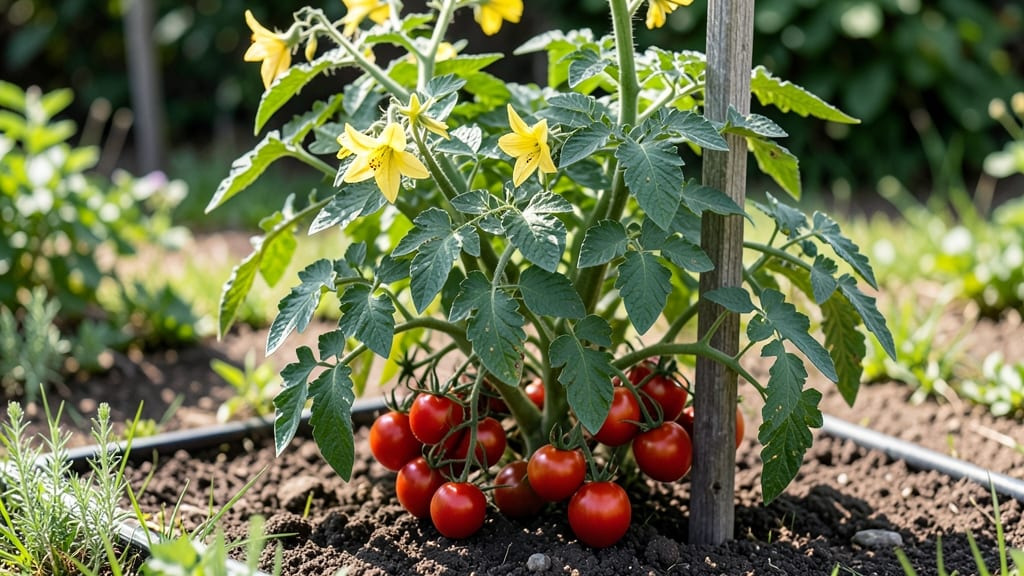
Growing culinary blend tomatoes changes everything about your sauce game. These varieties—like Roma and San Marzano—pack intense, meaty flavor into every seed, and they thrive in cooler climates where most tomatoes would give up.
My first harvest of heirloom paste tomatoes had me questioning why I’d ever bought store-bought sauce again.
The secret lies in their genetics: these tomatoes grow taller but sturdier than slicers, with fewer seeds and thicker walls that hold up to simmering.
You’ll need full sun (6-8 hours daily), well-draining soil with 2-3 inches of compost mixed in, and a sturdy cage or trellis since they can reach 6 feet tall. Prune aggressively—remove suckers early—to focus energy on fruit development, not foliage.
By mid-summer, you’ll be harvesting deep red, firm tomatoes that burst with flavor when cooked down. The key? Harvest when fully colored but still slightly firm—overripe tomatoes turn mushy in sauce.
Store unripe ones at room temperature until they ripen, then process within 2-3 days for peak taste. A single plant yields 10-20 pounds of sauce, enough to fill jars for winter.
These varieties also handle light frosts better than most, making them ideal for Zone 4-7 gardeners. For even better flavor, try black plastic mulch to warm the soil early and drip irrigation to keep plants consistently moist.
The payoff? Sauce so rich, your neighbors will beg for your recipe—and your garden’s secret.
📚 In This Guide
- What you need
- Instructions
- Tips and common mistakes
- Wrapping up and next steps
What you need
- ● Seeds: 10–20 seeds of Solanum lycopersicum (choose cold-hardy heirloom varieties like 'Siberian,' 'Amish Paste,' or 'Cherokee Purple').
- ● Potting Mix: 5–10 gallons of high-quality, well-draining organic potting soil (or compost blend).
- ● Containers or Raised Beds: 5-gallon pots (2–4) or
- ● Raised bed (minimum 12" deep, 4'x8' recommended).
- ● Fertilizer: 1 cup balanced organic fertilizer (5-5-5 or compost tea).
- ● Watering Can or Hose: With a gentle spray nozzle.
- ○ Grow Lights (Optional but Helpful): LED full-spectrum lights for indoor starts.
- ● Trowel or Small Shovel: For transplanting seedlings.
- ● Pruning Shears: To trim suckers and encourage bushier growth.
- ● Support Stakes or Cages: 3–4 ft tall (for indeterminate varieties).
- ● pH Test Kit: To ensure soil pH is between 6.0–6.8.
- ● Mulch: Straw or shredded leaves (2–3 inches) to retain moisture.
- ● Gloves & Sun Hat: For comfort during outdoor work.
- ● Drip irrigation system for consistent watering.
- ● Row covers or frost cloth for early/late-season protection.
- ● Compost bin for continuous soil enrichment.
- ● Seedling heat mat (if starting indoors in cool climates).
Step-by-step guide to growing cold-hardy culinary tomato blends
Here’s how to cultivate a resilient, year-round tomato harvest using cold-tolerant varieties that thrive in cooler climates.
🌱 Step 1: Select and Prepare Cold-Hardy Varieties
Choose determinate tomato varieties like 'Stupice,' 'Glacier,' or 'Mountain Merit'—these handle 25-30°F temperatures and produce reliable yields. Start with 4-6 plants spaced 18-24 inches apart to ensure airflow and prevent disease. I always opt for heirloom seeds because they adapt better to local conditions over time.
Test soil pH before planting—ideal range is 6.0-6.8. If your soil is too acidic, amend with lime (follow package rates). Cold-hardy tomatoes need well-draining soil to prevent root rot, so mix in compost to improve structure. Avoid fresh manure, which can burn tender roots.
☀️ Step 2: Time Planting for Optimal Cold Tolerance
Plant seeds indoors 6-8 weeks before last frost in 75°F soil for best germination. Use biodegradable pots to avoid transplant shock. Harden off seedlings 2 weeks before outdoor placement by gradually exposing them to 40-50°F nights for 2-3 hours daily. This toughens stems and leaves for cooler conditions.
Transplant outdoors after soil warms to 55°F—even cold-hardy varieties struggle in chilly soil. Bury stems deeper than usual (up to half the plant’s height) to encourage stronger root systems. Mulch with straw or shredded leaves to insulate roots and retain moisture.
💧 Step 3: Adjust Watering and Fertilizing for Cold Climates
Water deeply 2-3 times per week—shallow watering stresses plants and makes them vulnerable to blossom-end rot. Aim for 1 inch of water per week, adjusting for rain. Cold-hardy tomatoes need consistent moisture to develop flavor, but avoid soggy soil. Use a soaker hose to deliver water at the base.
Fertilize lightly with a balanced organic fertilizer (10-10-10) at planting, then again when flowers appear. Over-fertilizing leads to excessive leaf growth at the expense of fruit. I switch to fish emulsion mid-season for a phosphorus boost—this supports fruit development without scorching leaves in cooler weather.
✂️ Step 4: Prune and Protect for Extended Harvests
Prune suckers (side shoots) regularly to direct energy into fruit production. Cold-hardy varieties benefit from light pruning—remove only 1-2 suckers per week to avoid stress. Support plants with cages or stakes to prevent wind damage, especially in exposed areas.
Use row covers or cloches on 25°F nights to protect flowers and young fruit. Remove covers during the day to allow pollination. Watch for early blight (brown spots on lower leaves)—remove affected foliage immediately and apply copper fungicide preventatively. Cold-hardy tomatoes are tough, but they still need protection from fungal pressures.
🌿 Step 5: Harvest and Extend the Season
Harvest when tomatoes are fully colored and slightly soft to touch—this ensures peak flavor. Pick green tomatoes in fall and ripen indoors on a sunny windowsill. Cold-hardy varieties like 'Stupice' can produce into October with proper care, so don’t rush the harvest.
Save seeds from your best tomatoes for next year. Rinse seeds, dry them on paper towels, and store in a cool, dark place. Label varieties clearly—cold-hardy blends often have unique flavor profiles worth preserving. Rotate crops annually to prevent soil-borne diseases from building up.
Tips & tricks for growing cold-hardy tomato varieties
Between us, these hardy tomato varieties reward patience with a harvest that lasts well beyond typical seasons. Here's what I've learned after years of growing them in cooler climates.
Variety Selection Matters: The cold-hardy varieties mentioned—'Stupice,' 'Glacier,' and 'Mountain Merit'—aren't just tougher; they develop deeper flavors when grown in cooler conditions. I've found that 'Stupice' handles the coldest nights best, while 'Glacier' produces the most consistent yields in marginal climates. If you're experimenting, start with just one variety to master the growing conditions before expanding.
Soil Preparation is Non-Negotiable: The 6.0-6.8 pH range and well-draining soil requirements aren't just suggestions—they're critical for preventing root rot and blossom-end rot. I've seen plants with perfect cold tolerance fail completely when planted in heavy clay soil. If your soil tests higher than 6.8, don't just add lime—test again after amending and adjust gradually. The goal is to mimic the loose, fertile conditions these varieties evolved in.
Timing Your Transplant is an Art: That 55°F soil temperature threshold is where most beginners make mistakes. I've transplanted too early in cool springs and watched plants languish for weeks. Use an infrared thermometer to check soil temperature at planting depth—it's more accurate than air temperature. Also, the deeper you bury those stems (up to half the plant's height), the stronger the root system becomes, which directly impacts cold resistance.
Watering Strategy Prevents Common Problems: The 2-3 times per week watering schedule might seem simple, but timing matters most. Water in the morning when temperatures are cooler to reduce evaporation and fungal pressure. I've noticed that cold-hardy tomatoes actually concentrate their sugars more when watered consistently this way, resulting in sweeter fruit. And never water the leaves—this is how early blight gets its foothold in cooler climates.
Pro Tips for Culinary Blend Tomatoes
- Between us, these hardy tomato varieties reward patience with a harvest that lasts well beyond typical seasons. Here'...
- Variety Selection Matters: The cold-hardy varieties mentioned—'Stupice,' 'Glacier,' and 'Mountain Merit'—aren't just ...
- Soil Preparation is Non-Negotiable: The 6.0-6.8 pH range and well-draining soil requirements aren't just suggestions—...
Frequently asked questions
Got questions about growing and using culinary blend tomatoes?
Here are some of the most common ones—plus straightforward answers to help you thrive with these cold-hardy, regrow-worthy varieties!
What makes culinary blend tomatoes different from regular tomatoes?
Culinary blend tomatoes are bred for flavor diversity and regrowth—often a mix of heirloom and hybrid traits. They’re cold-hardier, produce smaller but more flavorful fruits, and can regrow from cuttings or seeds year after year. Perfect for gardeners who want sustainability and bold taste!
How long does it take for culinary blend tomatoes to regrow?
Regrowth speed depends on conditions, but you’ll typically see new shoots in 2–4 weeks if you’ve pruned correctly and kept the stem in water. Keep the soil moist and in bright, indirect light (like a sunny windowsill) for best results. Patience pays off—some varieties even fruit faster the second year!
Can I substitute culinary blend tomatoes for regular tomatoes in recipes?
Their richer, sweeter flavor works beautifully in sauces, salads, and salsas. However, since they’re often smaller, you might need 1.5x the amount for dishes expecting larger tomatoes (like stuffed peppers). For slicing, their texture is firmer—great for sandwiches or caprese salads!
Are culinary blend tomatoes truly cold-hardy? How do I protect them in frost?
Yes! Many varieties tolerate light frosts (down to 28°F), but heavy freezes will damage them. Use row covers, mulch, or cloches to extend the season. If frost is imminent, harvest unripe tomatoes—they’ll ripen indoors with a little ethylene (like a banana nearby!).
What’s the best way to propagate culinary blend tomatoes for regrowth?
Cut a healthy stem just below a leaf node, remove lower leaves, and place it in water (2–3 inches submerged). Change the water every 3–4 days. Once roots form (2–4 weeks), transplant to soil. Pro tip: Use a humidity dome or plastic bag to speed up rooting!
Why aren’t my culinary blend tomatoes regrowing? Troubleshooting tips.
No roots?
Check water temperature (too cold slows growth) and light (needs 6+ hours daily).
Yellow leaves?
Overwatering or poor drainage—let the cutting dry slightly between water changes.
Stem rotting?
Trim the bad section, replant in fresh water, and use a fungicide if needed.
Slow growth?
Add a rooting hormone or try a nutrient-rich solution (like diluted fish emulsion).
Most issues fix with patience and adjustments—don’t give up!
Wrapping up and next steps
Mastering the art of growing culinary blend tomatoes—especially those cold-hardy, regrowing varieties—is a rewarding journey that brings fresh, flavorful produce to your table year after year. 🌱 These resilient plants not only thrive in diverse climates but also reward you with bold, versatile flavors perfect for sauces, salads, or roasting.
Whether you're a seasoned gardener or just starting, your green thumb is about to shine brighter!
Ready to take the next step? Start small—plant a few seeds or seedlings this season and experiment with different varieties. Track your progress, share your harvest with friends, and soon, you’ll be the go-to chef for homegrown, heirloom-quality tomatoes that taste like summer in every bite. Happy growing! 🍅✨