
Vegetables
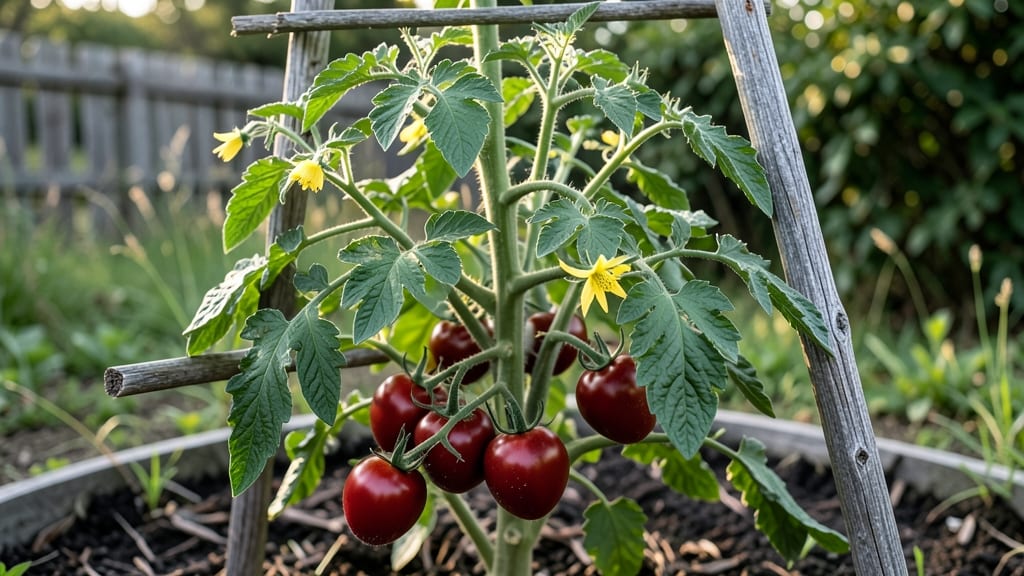
Growing dark red tomatoes like Black Krim or Cherokee Purple changes everything about your harvest. 🌱 These deep-hued beauties pack intense flavor and surprising cold tolerance—perfect for gardeners who want tomatoes that last beyond summer’s end.
I’ve grown them through three winters now, and the results are worth the extra effort: rich, meaty fruit that tastes like summer even in chilly months.
The secret starts with soil—amend yours with 3-4 inches of compost before planting, and mulch heavily to protect roots from temperature swings. These varieties thrive in full sun (6+ hours daily) but handle partial shade better than most tomatoes, making them ideal for cooler climates or early/late seasons.
Water consistently at the base (never overhead) to prevent cracking, a common issue with their thick skins.
By midseason, you’ll be rewarded with vibrant, deep-red fruits that stay firm longer than traditional tomatoes. The flavor? Smoky, almost wine-like, with a balance of sweetness and acidity that’s hard to find in store-bought varieties.
Prune suckers regularly to focus energy on fruit production, and watch for early blight—these tomatoes are susceptible, so rotate crops yearly.
With the right care, you can extend your harvest into fall and even overwinter them in mild climates. Start seeds indoors 8-10 weeks before last frost, and transplant after soil warms to 55°F. The payoff? A garden that keeps giving long after most tomatoes have faded.
📚 In This Guide
- What you need
- Instructions
- Tips and common mistakes
- Wrapping up and next steps
What you need
- ● Seeds or Transplants: Cold-resistant dark red tomato seeds (e.g., Solanum lycopersicum varieties like 'Black Krim' or 'Cherokee Purple') – 5-10 seeds (or 2-3 transplants if starting with seedlings).
- ● Growing Containers or Garden Bed: For containers: 5-gallon pots or larger (at least 12" deep) with drainage holes – 2-3 pots per plant.
- ● For in-ground planting: Well-draining soil with pH 6.0-6.8; enrich with compost.
- ● Soil Mix: High-quality potting mix or a blend of 60% topsoil, 30% compost, and 10% perlite/vermiculite.
- ● Fertilizer: Balanced organic fertilizer (e.g., 5-5-5 or 10-10-10) – 1 tbsp per plant at planting.
- ● Slow-release tomato fertilizer (e.g., fish emulsion or worm castings) – for mid-season feeding.
- ● Support Structures: Cages (5-6 ft tall) OR sturdy stakes (6 ft long) – 1 per plant.
- ● Basic Tools: Trowel or hand shovel
- ● Pruners (sterilized)
- ● Watering can or hose with gentle nozzle
- ○ Optional (But Helpful!): Mulch (straw or shredded leaves) – to retain moisture and regulate soil temp.
- ● Row covers or frost cloth – for early/late-season protection.
- ● pH test kit – to monitor soil acidity.
- ● Grow lights (LED, full-spectrum) – if starting indoors.
How to grow cold-resistant dark red tomatoes as perennials
Here’s how to cultivate dark red tomato varieties that thrive year-round in cooler climates.
🌱 Step 1: Select Cold-Hardy Varieties and Prepare the Soil
Choose heirloom dark red tomato varieties bred for cold tolerance, like 'Black Krim' or 'Cherokee Purple.' These perform best in USDA Zones 4-9 and can overwinter with proper care. Start by amending your soil with 3-4 inches of compost and a balanced organic fertilizer (like 5-5-5) to ensure nutrient density—dark red tomatoes demand rich, well-draining soil to develop their signature deep color and cold resilience.
Test your soil’s pH—aim for 6.0-6.8. If your soil is heavy clay, mix in sand or perlite to improve drainage. Dark red tomatoes struggle in waterlogged conditions, so raise beds or use containers if your site has poor drainage. I like to work in a 2-inch layer of worm castings at planting time to boost microbial activity, which helps roots absorb nutrients even in cooler temperatures.
☀️ Step 2: Plant in Late Spring After Frost Risk Passes
Wait until after your last frost date (typically mid-May in most regions) to transplant seedlings. Dark red tomatoes need full sun—6+ hours daily—but their cold tolerance means they can handle light frosts once established. Harden off seedlings by gradually exposing them to outdoor conditions for 7-10 days before planting, especially if nights still dip below 50°F. Plant 18-24 inches apart in rows spaced 3 feet apart to allow airflow and prevent fungal diseases.
Dig a hole twice as wide as the root ball but no deeper. Gently loosen roots if they’re circling, then place the plant so the top of the root ball sits just below soil level. This encourages strong root growth without burying the stem, which can rot in cool, damp soil. Water deeply immediately after planting to settle the soil and eliminate air pockets.
💧 Step 3: Water Deeply and Mulch for Cold Protection
Dark red tomatoes need consistent moisture—about 1-1.5 inches per week—but avoid overhead watering after germination to prevent disease. Instead, use drip irrigation or water at the base early in the morning. Mulch with 3-4 inches of straw or shredded leaves to retain soil warmth, suppress weeds, and protect roots from temperature swings. In fall, add an extra 2-inch layer of mulch to insulate plants through winter.
Fertilize lightly every 4-6 weeks with a low-nitrogen, high-phosphorus feed (like 2-4-2) to encourage fruiting over foliage. Dark red tomatoes often produce smaller yields in cooler climates, so prioritize potassium-rich amendments (like banana peels or wood ash) to improve flavor and cold hardiness. Stop fertilizing 6 weeks before your first frost to harden off plants for winter.
✂️ Step 4: Prune and Protect Through Winter
Prune suckers (the shoots that grow between the stem and branches) regularly to redirect energy to fruit production. Dark red tomatoes benefit from light pruning—remove only the lowest leaves to improve airflow and reduce disease risk. In late fall, cut back one-third of the foliage and apply a thick layer of mulch (6+ inches) to insulate roots. Some growers wrap plants in burlap or frost cloth for extra protection during hard freezes.
In early spring, remove mulch and check for overwintering damage. Prune dead or broken branches back to healthy growth. Dark red tomatoes often produce earlier and more reliably in their second year, so avoid transplanting—let them establish permanently. Water lightly in early spring to encourage new growth, then resume regular care once temperatures stabilize above 55°F.
🌿 Step 5: Harvest and Extend the Season
Harvest dark red tomatoes when they’re fully colored and slightly soft to the touch. These varieties often ripen slower in cool weather, so check plants every 2-3 days in late summer and fall. Store unripe tomatoes in a cool, dark place (like a paper bag) to finish ripening indoors. In mild climates, greenhouse or cold-frame growing extends the season by 2-3 months, allowing year-round harvests.
Save seeds from your best tomatoes by fermenting them in a jar for 3-5 days, then rinsing and drying on paper towels. Dark red tomato seeds often retain cold tolerance when saved, ensuring future generations thrive in your climate. Rotate crops annually to prevent soil-borne diseases, and consider companion planting with basil or marigolds to deter pests naturally.
Tips & tricks for growing cold-resistant dark red tomatoes
Here's what I've learned after years of growing these stunning tomatoes in cooler climates—tricks that make all the difference between a decent harvest and a spectacular one.
Variety Matters: When selecting cold-hardy varieties like 'Black Krim' or 'Cherokee Purple,' pay attention to seed packets that specify "cold-tolerant" or "perennial" characteristics. These aren't just marketing terms—they indicate true hardiness down to 20°F with proper care. I've found that 'Black Krim' handles early spring frosts better than 'Cherokee Purple,' which needs that extra layer of mulch when temperatures dip below 50°F at night. The deeper the red color, the more cold-resistant the variety tends to be—this rich pigment is nature's built-in frost protection.
Soil Preparation Secret: The 3-4 inches of compost mentioned in Step 1 isn't just about nutrients—it's about creating the right soil structure. Dark red tomatoes need soil that warms up quickly in spring but also retains moisture during summer droughts. I always mix in 1 part sand or perlite to 3 parts compost for heavy clay soils, which prevents waterlogging that can rot roots. Pro tip: Work in worm castings at planting—they contain beneficial microbes that help roots absorb nutrients even when soil temperatures are cool (55°F or lower).
Planting Depth Technique: That subtle detail about planting with the root ball just below soil level in Step 2 is critical. I've ruined plants by burying stems too deep—this creates anaerobic conditions that lead to rot. For container growing, use a mix of 50% potting soil, 30% compost, and 20% perlite to ensure excellent drainage. When transplanting, make sure the hole is twice as wide as the root ball—this encourages roots to spread outward rather than circling, which is especially important for cold climates where roots need to establish quickly before winter.
Winter Protection Layering: The extra 2-inch mulch layer in fall is just the beginning. For true winter protection, build up to 6-8 inches of mulch by late fall, using a combination of straw, shredded leaves, and even pine needles. I've seen plants survive -10°F temperatures with this insulation. Add a layer of burlap or frost cloth over the mulch for the coldest nights, securing it loosely so it doesn't touch the foliage. Remove these covers on warm days to prevent moisture buildup that could encourage fungal diseases.
Pro Tips for Dark Red Tomato
- Here's what I've learned after years of growing these stunning tomatoes in cooler climates—tricks that make all the d...
- Variety Matters: When selecting cold-hardy varieties like 'Black Krim' or 'Cherokee Purple,' pay attention to seed pa...
- Soil Preparation Secret: The 3-4 inches of compost mentioned in Step 1 isn't just about nutrients—it's about creating...
Frequently asked questions
Got questions about growing dark red tomatoes? You’re not alone—these cold-resistant perennials are unique! Here are answers to the most common queries to help you cultivate a thriving harvest.
Can dark red tomatoes survive winter in colder climates?
Yes! Unlike annual tomatoes, Solanum lycopersicum var. cerasiforme (dark red cherry types) are often cold-hardy perennials in USDA Zones 8-11. In colder zones (7 or below), mulch heavily with straw or leaves and protect with row covers. Some gardeners grow them in containers to overwinter indoors near a sunny window.
How long does it take for dark red tomatoes to fruit after planting?
Expect 60–90 days from transplanting to first fruit, depending on warmth and variety. Perennial types may take slightly longer (up to 120 days) in cooler springs. Pro tip: Use a heat mat or black plastic mulch to speed up germination and growth in early spring.
Are dark red tomatoes sweeter than regular red tomatoes?
Their deep color signals higher lycopene and anthocyanin levels, which boost sweetness and antioxidant benefits. Think tangy-sweet with a jammy texture—perfect for fresh eating, sauces, or fermenting. Fun fact: They’re also lower in acid than standard tomatoes, making them ideal for raw dishes.
What can I do if my dark red tomato plants stop producing fruit?
Common culprits include lack of pollination (hand-pollinate with a brush), overwatering (let soil dry slightly between waterings), or nutrient deficiencies (feed with tomato-specific fertilizer every 4–6 weeks). Check for pests like aphids or whiteflies too—neem oil can help. If flowers drop without fruiting, it may be too hot (above 90°F) or cold (below 55°F).
Can I substitute dark red tomatoes in recipes that call for regular tomatoes?
Yes! Their rich flavor works in sauces, salsas, and roasted dishes, but their smaller size means you’ll need about 2–3 dark red tomatoes per 1 large tomato. For salads, their intense sweetness pairs well with basil, feta, and balsamic. Warning: Avoid using them in recipes where you want a mild, watery tomato base—they’re bold!
Do dark red tomatoes need special soil conditions?
They thrive in well-draining, slightly acidic soil (pH 6.0–6.8) with plenty of organic matter. Amend clay soil with compost or coconut coir. Avoid soggy spots—root rot is a risk. Perennial types benefit from a permanent raised bed or hill mounded with compost to improve drainage and warmth.
Wrapping up and next steps
Growing dark red tomatoes—especially cold-resistant perennials—is a rewarding way to enjoy fresh, flavorful harvests year-round! Whether you're expanding your garden or experimenting with hardy varieties, these vibrant tomatoes bring both beauty and bounty to your table.
With the right techniques and patience, you’ll soon be savoring homegrown goodness in soups, salads, or sauces.
Ready to dive in? Start by selecting the perfect variety for your climate, then gather your supplies and follow the step-by-step guide. Happy planting—your future harvests are waiting! 🌱🍅