
Flowers
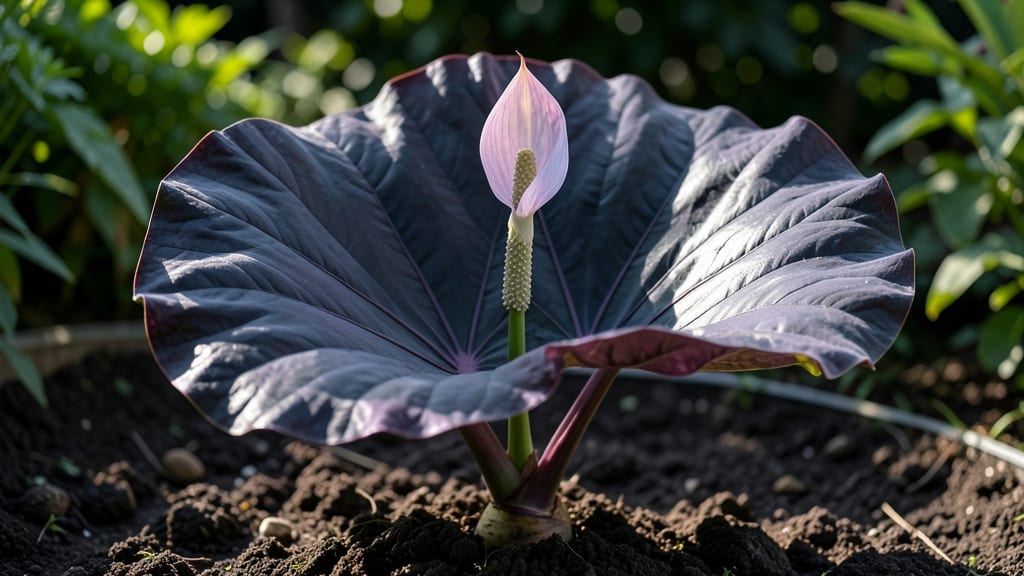
Elephant ears do grow flowers 🌿, though their stunning foliage often steals the show—and that’s exactly why you might be missing them.
If you’ve ever wondered why your elephant ear plants seem to focus all their energy on dramatic leaves, you’re not alone. Many gardeners overlook the subtle, breathtaking blooms these tropical beauties produce in late summer or early fall. The flowers aren’t flashy like the leaves, but they’re worth the wait.
These plants typically bloom when mature, especially in warm climates like USDA Zone 6a or higher. The flowers appear as tall, slender spikes in shades of white, pink, or purple, rising above the lush foliage. While they’re not the main attraction, they add a unique touch to your garden.
Below, I’ll cover when and how to spot these hidden blooms, plus tips to encourage flowering—or manage your plants if they skip this step entirely.

Do elephant ears (Colocasia) actually produce flowers?
You’ve likely grown elephant ears (Colocasia) for their show-stopping foliage, but did you know these tropical stunners also produce delicate, rare flowers? Most gardeners overlook them because the blooms are brief and subtle, often hidden beneath the lush leaves.
The truth? Yes, they flower—but with specific conditions and timing that make them easy to miss.
The Colocasia genus (and its cousin Alocasia) produces spike-like inflorescences that emerge from the center of the plant. These flowers aren’t the flashy stars of the garden—they’re spiky, tubular blooms in white, pink, or purple hues, often described as "dainty" or "elegant."
Their short-lived nature (lasting just a few days) adds to the mystery.
Here’s the catch: Not all elephant ears bloom. Varieties like Colocasia esculenta (the classic) may produce flowers, while others like Colocasia ‘Black Stem’ focus energy on foliage. Even when they do flower, the process is highly dependent on maturity, light, and humidity—three factors many gardeners overlook.
The flower structure of elephant ears is fascinating but often overlooked. Each bloom is a spadix wrapped in a bract, resembling a miniature corn cob with tiny flowers packed inside. The color variations range from pure white to soft pink or even deep purple, depending on the variety.
Why do so many gardeners miss these flowers? Timing is everything. Blooms typically appear in late summer to early fall, just as the plant shifts focus toward tuber formation for winter.
If you’re growing elephant ears in containers, the chances of seeing flowers drop significantly because the plant’s energy is diverted to root growth.
If you’re eager to spot these elusive blooms, focus on three key factors: maturity (older plants bloom more readily), humidity (mimic tropical conditions), and light (partial shade with morning sun). Even then, don’t expect a prolific display—think 1-3 spikes per plant in ideal conditions.
Botanically, these flowers are not showy like cannas or daylilies, but they serve a critical purpose: they produce berries that contain seeds. However, seed production is rare in home gardens, making propagation via tubers the preferred method.
The real reward? The brief but magical moment when your foliage-focused plant surprises you with a delicate floral display.
Pro tip: If you do spot flowers, don’t deadhead them unless you’re trying to encourage more foliage growth. The energy spent on blooming is minimal compared to the leaf production, so let nature take its course.
You might just be rewarded with a subtle, unexpected beauty in your garden.
🌿
When and how to spot elephant ear flowers in your garden
Elephant ears (Colocasia and Alocasia species) are famous for their bold, heart-shaped foliage, but their subtle summer flowers often go unnoticed. These blooms appear on tall, slender stalks rising above the leaves, usually between late June and early September, depending on your climate and plant maturity.
The flowers themselves are spiky, white, pink, or purple and resemble small corn cobs, adding a unique texture to your garden.
Spotting these flowers requires patience and attention to detail. Start by watching for new growth emerging from the center of your plant—this is often where flower stalks begin.
Mature plants (those in their second growing season) are far more likely to bloom than younger ones, so give your elephant ears at least one full year to establish strong roots before expecting flowers.
Container-grown plants may bloom slightly later than those in the ground, as they need to adapt to their environment.
Container-grown elephant ears may need extra care to bloom. Since pots dry out faster than in-ground soil, water containers daily in summer and move them to a partially shaded spot to prevent leaf scorch.
If your plant isn’t flowering after a full growing season, try transplanting it into the ground—the richer soil and more stable moisture levels often trigger blooms the following year.
Once you spot those first flower spikes, enjoy the unexpected beauty of elephant ear blooms! While they’re short-lived (lasting only a few weeks), they’re a rewarding surprise for gardeners who’ve nurtured their plants.
Deadhead spent flowers to redirect energy to foliage, ensuring your plant stays lush and vibrant for years to come. 🌿
Pro tip: Take photos of your blooming elephant ears! These subtle flowers are often overlooked in gardening guides, but they’re a hidden gem that adds unexpected interest to your summer garden.
Share your finds with fellow plant enthusiasts—you might inspire others to look closer at their own tropical foliage stars! 🌸