
Aphids
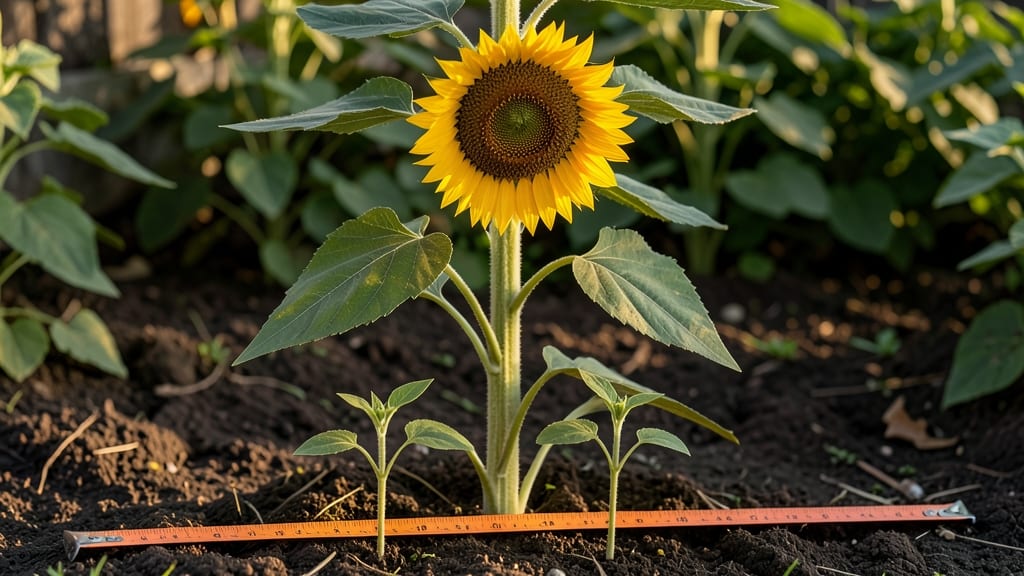
Sunflowers do spread—but not in the way you might think. While they won’t creep like mint or mint, their roots and seeds have habits that can surprise even seasoned gardeners.
Picture this: You plant a single 🌻 in your backyard, and by summer, you’ve got a row of volunteers popping up where you least expected them. That’s self-seeding in action, a natural behavior that makes sunflowers both a blessing and a potential nuisance.
But here’s the good news: with the right spacing and a few simple tricks, you can keep them contained without sacrificing those towering blooms. Below, I’ll walk you through root depth, planting distances, and how to manage spread—so your garden stays healthy and your sunflowers stay where you want them.
Whether you’re dealing with aggressive seedlings or just curious about their growth, this guide gives you the science-backed rules to grow sunflowers confidently—without the chaos.
How far do sunflower roots spread? Understanding root systems and soil needs
Sunflowers may seem like towering giants above ground, but their root systems are just as impressive—and sometimes surprising. While they don’t spread aggressively like some invasive plants, their roots can grow deep and wide, competing for nutrients and space.
Understanding these habits helps you plan your garden layout and soil prep for healthy, thriving sunflowers without overcrowding or nutrient depletion.
The depth of sunflower roots typically reaches 3 to 6 feet below the soil surface, depending on the variety. Dwarf sunflowers may only extend 1 to 2 feet deep, while giant varieties like Mammoth can plunge 6 feet or more.
This deep root system allows them to access water and nutrients from lower soil layers, making them surprisingly drought-tolerant once established.
Lateral root spread is another key factor. Sunflower roots can extend 2 to 4 feet outward from the stem, though this varies by soil type and growing conditions. In loose, well-draining soil, roots spread more aggressively, while compacted or clay-heavy soil may limit their expansion.
This lateral growth is why proper spacing is critical to prevent competition between plants.
Here’s a quick breakdown of sunflower root systems and soil needs to help you plan:
| Sunflower Type | Root Depth | Lateral Spread | Soil pH | Spacing Needs |
|---|---|---|---|---|
| Dwarf Varieties (e.g., 'Teddy Bear') | 1–2 feet | 1–2 feet | 6.0–7.0 | 12–18 inches apart |
| Semi-Dwarf (e.g., 'ProCut') | 2–4 feet | 2–3 feet | 6.0–7.5 | 2–3 feet apart |
| Standard (e.g., 'Autumn Beauty') | 4–6 feet | 3–4 feet | 6.0–7.5 | 3–4 feet apart |
| Giant (e.g., 'Mammoth') | 6+ feet | 4–5 feet | 6.0–7.5 | 4–6 feet apart |
Sunflowers thrive in well-draining soil with a neutral to slightly alkaline pH (6.0–7.5). Poor soil drainage can stunt root growth, while overly acidic or alkaline soil may limit nutrient uptake. Before planting, test your soil and amend it with compost or aged manure to improve structure and fertility.
This ensures roots can penetrate deeply and access the nutrients they need for robust growth.
For container-grown sunflowers, choose large pots (at least 12 inches deep) with drainage holes to accommodate their deep roots. Dwarf varieties adapt better to containers, while standard or giant sunflowers may struggle unless planted in deep, loose soil.
If you’re growing sunflowers in containers, mix in perlite or sand to improve drainage and prevent root rot.
One common misconception is that sunflowers spread aggressively like invasive weeds. While they don’t form underground runners or rhizomes, their self-seeding habit can lead to unwanted seedlings in subsequent years. To control this, deadhead spent blooms or harvest seeds before they mature.
If you want sunflowers to reseed naturally, let a few plants go to seed and then thin seedlings in spring to avoid overcrowding.
To maximize growth and prevent competition, mulch around sunflower bases with straw or wood chips. This keeps soil moist, regulates temperature, and suppresses weeds that could compete with sunflower roots for nutrients. Mulching also helps prevent soil erosion, especially in loose or sandy soil where roots spread widely.
If you’re planting sunflowers near other crops, consider their spacing needs and root competition. Tall varieties like 'Russian Giant' can cast significant shade, affecting nearby plants. For companion planting, pair sunflowers with shallow-rooted crops like lettuce or radishes, which won’t compete for deep nutrients.
Avoid planting them near potatoes or tomatoes, as they share similar pest risks.
Assessing your soil health is the first step to successful sunflower growth. Conduct a simple soil test to check pH and nutrient levels. If your soil is too dense, amend it with organic matter like compost or coconut coir to improve aeration.
Healthy soil encourages deep root penetration, leading to stronger, more resilient sunflowers that can withstand drought and pests.
With the right spacing, soil prep, and care, sunflowers will reward you with vibrant blooms and bountiful seeds—without taking over your garden. Their deep roots and lateral spread are manageable with a little planning, making them a low-maintenance yet stunning addition to any garden. 🌻
Sunflower spacing rules: how close can you plant them without overcrowding?
Proper sunflower spacing is the secret to healthy plants and bountiful blooms. While sunflowers don’t spread aggressively like some invasive plants, their mature size and root systems demand thoughtful placement. Planting too closely leads to stunted growth, disease pressure, and competition for sunlight and nutrients.
The good news? With the right spacing, you can maximize yield while keeping your garden thriving.
Most gardeners focus on above-ground spacing, but understanding how sunflowers grow below the surface matters too. Their taproots can extend 3-5 feet deep, while lateral roots spread about 2 feet outward. This means roots from neighboring plants can compete if spaced too closely.
For dwarf varieties (2-4 ft tall), you can plant them as close as 12 inches apart, but standard varieties (8-16 ft tall) need 2-3 feet of space to avoid overcrowding.
| Sunflower Type | Mature Height | Recommended Spacing | Best For |
|---|---|---|---|
| Dwarf Varieties | 2-4 ft | 12-18 inches apart | Containers, small gardens, or cut flower beds |
| Semi-Dwarf Varieties | 4-6 ft | 18-24 inches apart | Border plantings, mixed flower beds |
| Standard Varieties | 8-16 ft | 2-3 ft apart | Large gardens, field plantings, or windbreaks |
| Group Planting (for pollinators) | Varies by type | 3-4 ft between groups | Pollinator gardens, large-scale plantings |
For container gardening, opt for dwarf varieties and use 5-gallon pots or larger. Plant one sunflower per container to avoid root competition. In small gardens, consider vertical spacing by planting taller varieties toward the back and shorter ones in front.
This creates a natural tiered effect while maximizing space efficiency.
Companion planting can also optimize spacing. Pair sunflowers with shallow-rooted plants like basil, lettuce, or radishes, which won’t compete for depth. Avoid planting them near tomatoes or potatoes, as they share similar nutrient needs and can lead to stunted growth if crowded.
If you’re growing sunflowers for seed production, increase spacing to 3-4 feet to ensure proper pollination and seed development.
One common mistake is assuming closer spacing will yield more flowers. In reality, overcrowded sunflowers produce smaller blooms and are more susceptible to powdery mildew due to poor air circulation.
Thin seedlings early to maintain recommended spacing, and avoid planting in dense rows. Instead, use a grid pattern for even sunlight distribution and easier maintenance.
If you’re growing sunflowers in windy areas, slightly wider spacing (up to 4 feet) helps prevent toppling. Stake taller varieties early to support their heavy seed heads and maintain proper spacing between plants.
With the right spacing, your sunflowers will thrive, attract pollinators, and become the star of your garden—without taking over your space. 🌻