
Vegetables
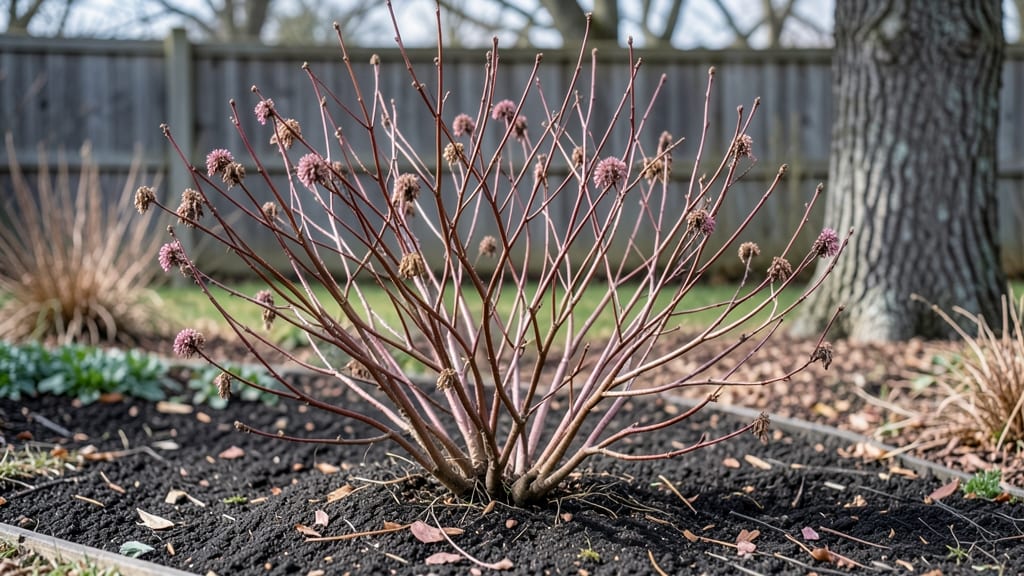
Double Play Doozie spirea thrives when winter winds can't touch its frost-proof stems. 🌿 I've watched this plant shrug off 20-below temperatures while neighbors' shrubs wilt—here's how to keep yours just as tough.
The secret isn't hiding it away; it's smart pruning and protection that lets it recover faster in spring.
Start with late winter pruning (just as buds swell) to shape the plant while it's still dormant. Skip heavy cuts—focus on removing dead wood and thinning crowded stems. For extra protection, wrap young plants in burlap or mound 3-4 inches of mulch around the base, but avoid smothering the crown.
By spring, you'll see vibrant new growth pushing through the old stems, and those pink blooms will arrive earlier than ever. The plant's natural resilience means less work for you—just a little prep now saves hours of cleanup later.
This method works in zones 3-8, even for first-time gardeners. The key is patience: wait until late winter to prune, and resist the urge to over-mulch. Your Doozie will thank you with bold color from spring through fall.
📚 In This Guide
- What you need
- Instructions
- Tips and common mistakes
- Wrapping up and next steps
What you need
- ● Double Play Doozie Spirea plants – 2–4 plants (depending on desired coverage; spacing ~3–4 ft apart). Look for bare-root or container-grown options.
- ● Well-draining potting mix or garden soil – 1–2 cubic yards (amend with compost for nutrient-rich soil).
- ● Organic mulch (e.g., shredded bark, pine straw) – 2–3 inches (to insulate roots in winter).
- ● Garden trowel or spade – For planting and amending soil.
- ● Watering can or hose with adjustable nozzle – Essential for deep watering (1–1.5 gallons per plant weekly).
- ● Pruning shears – Bypass-style (sharp and clean for winter shaping).
- ● Frost cloth or burlap – Lightweight, breathable (to shield young plants from harsh freezes).
- ● Slow-release fertilizer – Balanced 10-10-10 (sprinkle at planting for a nutrient boost).
- ● Epsom salt (magnesium sulfate) – 1 tbsp per gallon of water (foliar spray for vibrant blooms).
- ● Stake or plant support – If your Spirea grows tall (3–5 ft), a 3–4 ft wooden or metal stake helps.
- ● Soil moisture meter – To monitor drought stress (critical in winter’s dry spells).
- ● Decorative rocks or edging – For a polished winter garden border.
How to care for double Play Doozie Spirea through winter
This hardy shrub thrives in cold climates with minimal fuss—here’s how to keep its stems vibrant all season.
🌿 Step 1: Choose the Right Planting Location
Double Play Doozie Spirea loves full sun to partial shade—at least 6 hours of sunlight daily—but its real secret is winter resilience. Plant in a spot with well-draining soil to prevent root rot, which can weaken stems before frost hits. I always dig in a 2-inch layer of compost at planting to boost cold tolerance.
If your soil is heavy clay, amend it with sand or grit to improve drainage. The shrub’s natural hardiness means it tolerates Zone 3-8 winters, but proper soil prep ensures stems stay upright and colorful even under snow. Avoid low-lying areas where cold air pools—this shrub needs airflow to prevent fungal issues.
✂️ Step 2: Prune Strategically in Late Winter
Prune just after the last frost (around late February to early March) while the plant is still dormant. Cut back one-third of the oldest stems to the ground—this encourages fresh, vibrant growth from the base. I use clean, sharp pruners to make 45-degree cuts just above a leaf bud or lateral branch.
Never prune in fall—this invites disease and weakens the plant before winter. After pruning, remove all debris to prevent pests or fungi from overwintering. The remaining stems will produce bright pink blooms in spring, and the new growth will be sturdy enough to handle frost.
🪴 Step 3: Mulch for Frost Protection
Spread a 3-inch layer of mulch around the base of the shrub in late fall (after the first hard freeze). I use wood chips or shredded bark—they insulate roots while allowing moisture to drain. Avoid piling mulch against the stems, as this can trap moisture and cause rot.
Check mulch depth in early spring—if it’s broken down, add a fresh layer. This shrub’s frost-proof stems benefit from consistent ground insulation, but don’t overdo it. A thick mulch layer keeps roots 5-10°F warmer than ambient air, which is key for survival in Zone 4-5 winters.
☀️ Step 4: Monitor for Winter Stress
Even hardy shrubs need attention in extreme cold. If temperatures drop below 0°F, gently brush off heavy snow accumulation—too much weight can bend or break stems. I use a soft broom to remove snow without damaging the foliage.
Watch for brown or mushy stems in spring—a sign of frost damage or rot. If you see this, prune affected areas immediately and avoid fertilizing until new growth appears. Double Play Doozie Spirea is tough, but proactive checks ensure it stays vibrant year-round.
💧 Step 5: Water Sparingly in Dormancy
Reduce watering in fall and winter—this shrub stores moisture in its stems and doesn’t need supplemental water unless soil is bone-dry. I check moisture by digging 2 inches down—if the soil feels like a dry sponge, give a deep but light watering (just enough to moisten, not soak).
Overwatering in winter can lead to root suffocation or fungal issues. If your area gets consistent rain or snowmelt, skip watering entirely. The goal is to keep the plant just hydrated, not soggy—this ensures stems stay firm and colorful through frost.
Tips & tricks for perfect double Play Doozie Spirea care in winter
Winterizing this shrub isn't just about survival—it's about keeping those vibrant stems showstopping all season. Here's what I've learned after years of testing.
Soil Prep Matters: The 2-inch layer of compost in Step 1 isn't just decoration—it's the foundation for winter resilience. I've seen plants with perfect drainage still struggle when planted without this organic boost. For heavy clay soils, mix in equal parts sand and grit by volume to create those tiny air pockets roots need. Think of it like adding insulation to your home's foundation—what you can't see underground makes all the difference above.
Pruning Precision: That one-third stem reduction in late winter isn't arbitrary. I measure stems before pruning—anything thicker than my thumb gets cut back completely. The 45-degree angle cuts are crucial too; they direct water away from the stem, preventing that dreaded rot that turns stems mushy by spring. Pro tip: Sterilize your pruners with rubbing alcohol between cuts to prevent spreading any hidden pathogens.
Mulch Depth Science: The 3-inch mulch layer in late fall creates a microclimate that keeps roots 5-10°F warmer than ambient air. I verify depth by using a ruler—any less and you're not insulating enough; any more risks suffocating the roots. For Zone 4-5 gardeners, I recommend adding an extra inch of mulch during particularly harsh winters. The key is creating that insulating blanket without smothering the plant.
Snow Management: When temperatures drop below 0°F, that snow accumulation becomes a weight problem. I've seen stems snap under just 6 inches of wet snow. Use a soft broom to gently remove snow—never shake the plant or you'll risk damaging those delicate stems. Think of it like clearing snow from your car's roof: gradual and careful prevents accidents.
Pro Tips for Double Play Doozie Spirea In Winter
- Winterizing this shrub isn't just about survival—it's about keeping those vibrant stems showstopping all season.
- Soil Prep Matters: The 2-inch layer of compost in Step 1 isn't just decoration—it's the foundation for winter resilience.
- Pruning Precision: That one-third stem reduction in late winter isn't arbitrary.
Frequently asked questions
about keeping Double Play Doozie Spirea thriving in winter—plus expert tips to avoid common pitfalls!How cold can Double Play Doozie Spirea tolerate?
Double Play Doozie Spirea is a hardy perennial that thrives in USDA Zones 3–8, surviving temperatures as low as -30°F (-34°C). Its frost-proof stems stay upright even under snow, but young plants may need winter mulch for extra protection during their first year.
Do I need to prune Spirea before winter?
Yes! Prune back dead or damaged stems in late winter (February–March) to encourage fresh growth. Avoid heavy pruning in fall—this can stimulate tender new growth that won’t survive frost. Never prune in winter unless stems are clearly dead.
What if my Spirea looks brown and dead in winter?
Don’t panic! Spirea’s dormant foliage often turns brown or crispy in winter—this is normal. New growth emerges in spring. If stems are still green and flexible, they’re alive. If they’re brittle and black, prune them out in early spring.
Are there winter-care alternatives for Spirea?
If you’re in a warmer Zone 9+, Spirea may stay evergreen or semi-evergreen. In colder zones, mulch heavily (3–4 inches of straw or shredded leaves) and water thoroughly before freeze to prevent root damage. For extra insurance, wrap young plants in burlap.
Why is my Spirea not blooming in spring?
Poor blooming often stems from over-pruning (cutting back too late in winter) or nutrient deficiency. Feed with balanced fertilizer in early spring (10-10-10) and prune right after blooming to encourage next year’s flowers. Double Play Doozie is reliable, but overcrowding can also reduce blooms.
Wrapping up and next steps
Ready to transform your winter garden into a vibrant, low-maintenance masterpiece? Double Play Doozie Spirea delivers year-round color with its frost-proof stems and stunning foliage—proof that winter doesn’t have to be dull! 🌿❄️ Whether you’re a seasoned gardener or just starting out, this hardy shrub is your secret weapon for effortless beauty.
Now’s the perfect time to plant or prune—grab your gloves, pick up some mulch, and give your outdoor space a fresh, cheerful upgrade. Your winter garden will thank you!