
Blooming
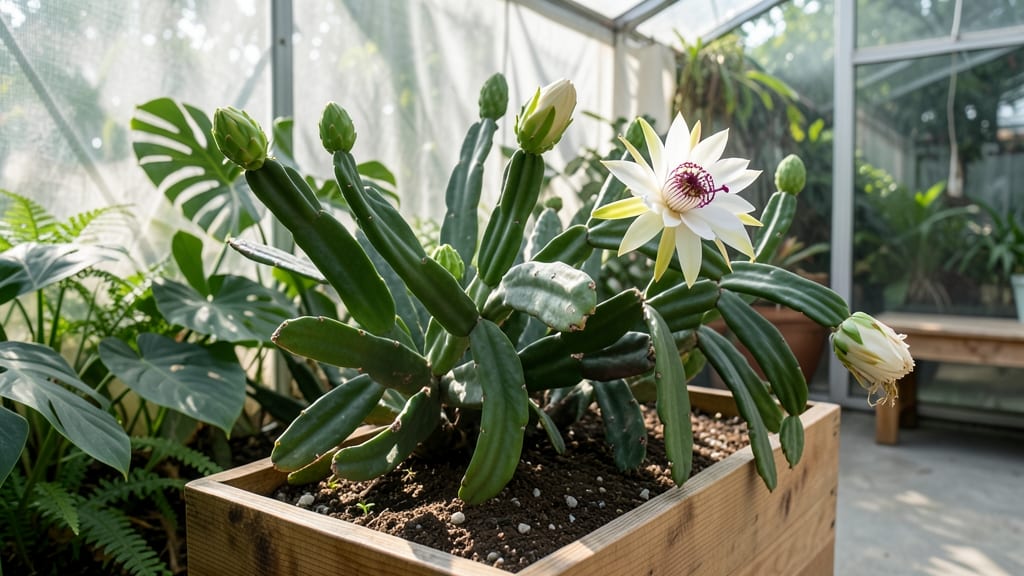
Dragon fruit flowering stages reveal whether your 🐉 plant will bear fruit—or just pretty blooms. If you’ve ever wondered why your dragon fruit plant isn’t producing fruit—or how to tell the difference between male and female blooms—understanding these stages is your key to a bountiful harvest.
Here’s the catch: most gardeners overlook the night-blooming habit of dragon fruit flowers, which means you might miss the one-to-two-night window when they open. Without proper identification, you could be pollinating the wrong flowers—or worse, ignoring the ones that matter.
From the first tiny bud to the scent of jasmine at dusk, each stage depends on temperature, humidity, and even your plant’s age. I’ll break down what to watch for, how to encourage blooming, and why some flowers never turn into fruit—even if they look perfect.
By the end, you’ll know exactly when to pollinate, how to spot a female bloom (the only one that produces fruit), and the three simple tricks to double your harvest next season.
Dragon fruit flowering stages: step-by-step growth from bud to bloom
Watching your dragon fruit (pitaya) plant transition from lush green vines to fragrant night-blooming flowers is one of the most rewarding parts of growing this tropical vine. The flowering process spans 4-6 weeks, transforming small buds into either male or female blooms that determine your harvest success.
Understanding each stage helps you anticipate blooming cycles, troubleshoot delays, and create ideal conditions for fruit production.
Dragon fruit flowers are nocturnal, opening their white, waxy petals only after sunset and closing by dawn. This unique timing means you’ll need to stay vigilant—especially if you’re hand-pollinating—to catch the brief window when flowers are receptive.
Environmental factors like temperature, humidity, and light exposure play critical roles at every stage, often making the difference between abundant blooms and sparse flowering.
Below, I’ll walk you through each phase of the flowering process, from the first visible bud to the post-bloom period, including how to identify healthy development and what to watch for. Whether you’re a first-time grower or a seasoned enthusiast, these insights will help you maximize your dragon fruit’s potential.
Dragon Fruit Flowering Timeline
- 1 Pre-Bloom Stage (Weeks 1-2)
- 2 Bud Formation (Weeks 2-3)
- 3 Nighttime Opening (Weeks 3-4)
- 4 Peak Bloom (Days 1-2)
- 5 Post-Bloom & Fruit Set (Weeks 4-6)
The pre-bloom stage begins when your dragon fruit vine produces small, hard green buds along the stems. These buds, about the size of a pea, appear in clusters and signal the plant’s shift from vegetative growth to reproductive mode.
During this 2-week window, ensure your plant receives 6+ hours of sunlight daily and maintain a temperature between 70-85°F to encourage healthy development.
In the bud formation stage, buds swell and develop a slightly pointed, conical shape. You’ll notice a subtle white or pale green hue emerging at the tip, indicating imminent opening. This phase is highly sensitive to humidity levels—aim for 60-70% humidity to prevent buds from drying out.
If buds drop off prematurely, it’s often a sign of low humidity or temperature stress.
When buds reach the nighttime opening stage, they’ll begin their nocturnal bloom cycle. Flowers unfurl their 6 white petals and emit a sweet, tropical fragrance that peaks around midnight.
This is your cue to hand-pollinate female flowers (if present) using a small paintbrush or cotton swab to transfer pollen from male blooms. Without intervention, many growers miss this brief window, reducing fruit set.
The peak bloom period lasts just 24-48 hours, during which flowers remain open and receptive. Pay close attention to flower color changes—healthy blooms will deepen to a creamy white with visible stamens or pistils.
Male flowers have long, thin stamens, while female flowers feature a bulbous base with a pistil. This is the best time to identify and tag female blooms for future fruit tracking.
After peak bloom, flowers enter the post-bloom stage, where petals wilt and fall off, leaving behind a small, green fruit on female plants. Over the next 4-6 weeks, this fruit will grow and develop its signature pink or yellow skin.
Monitor for fruit drop, which can occur due to nutrient deficiencies, poor pollination, or extreme temperatures. If you notice excessive drop, consider applying a balanced fertilizer (5-10-10) to support fruit development.
To encourage repeat flowering, prune your dragon fruit vine after the first harvest to promote new growth. Focus on removing dead or diseased stems while leaving healthy vines to climb.
In tropical climates (USDA zones 9b-11), dragon fruit plants can flower year-round, while in cooler regions, they may enter a dormant period in winter. Adjust your care routine accordingly to maintain blooming cycles.
Remember,
How to identify male vs female dragon fruit flowers: key differences
Dragon fruit plants produce two distinct flower types—male and female—but many gardeners struggle to tell them apart at first glance. The difference isn’t just academic: female flowers are essential for fruit production, while male flowers help pollinate them.
Without this knowledge, you might miss the chance to harvest those vibrant, sweet fruits you’ve been dreaming of.
Understanding these differences starts with examining the flower structure, particularly the reproductive organs hidden inside. Male flowers have prominent stamens (the pollen-producing parts), while female flowers feature a bulbous base where fruit will develop.
Even the scent and bloom timing can give clues, with female flowers often opening slightly earlier and emitting a sweeter fragrance at night.
Male Flowers
- ✅ Thinner petal structure
- ✅ No bulb at base
- ✅ Produces pollen for pollination
- ✅ Blooms fully in 1 night
Female Flowers
- ❌ Thicker petal base
- ❌ Bulbous base (future fruit)
- ❌ Needs pollen to fruit
- ❌ May reopen for 2 nights
To spot the difference, start by measuring the flower base. Female blooms have a thicker, rounded base (about 1-2 inches wide), while male flowers taper to a thin stem.
If you gently squeeze the base, female flowers will feel softer and slightly spongy—this is where the fruit will develop. Male flowers, on the other hand, feel firmer and hollow inside.
Another trick is to observe the scent. Female flowers release a sweeter, more intense fragrance at night, often described as honey-like or tropical. Male flowers have a lighter, almost musky scent.
This difference is subtle but noticeable if you check multiple blooms. Pro tip: Tag your female flowers with a small ribbon or marker once identified to track their progress toward fruiting.
Misidentifying flowers can lead to failed fruit production, especially if you’re relying on natural pollinators. For example, if you assume a flower is female but it’s actually male, you’ll waste time waiting for fruit that never comes.
Conversely, if you mistakenly prune a female bloom, you’re losing a potential harvest. To avoid this, always double-check by examining the base and scent before taking action.
If your dragon fruit plant is still young (under 2 years old), it may produce only male flowers as it matures. Patience is key—once established, a healthy plant will balance both sexes.
For faster results, consider hand-pollinating female flowers with a small brush dipped in male pollen. This method guarantees fruit set, even if your garden lacks natural pollinators like moths or bats.
Now that you’re equipped to tell the difference, keep an eye out for those bulbous-based female blooms—they’re your ticket to a homegrown dragon fruit harvest! With practice, you’ll spot them instantly, and soon you’ll be enjoying the sweet, crunchy rewards of your gardening efforts. 🌱🐉