
Vegetables
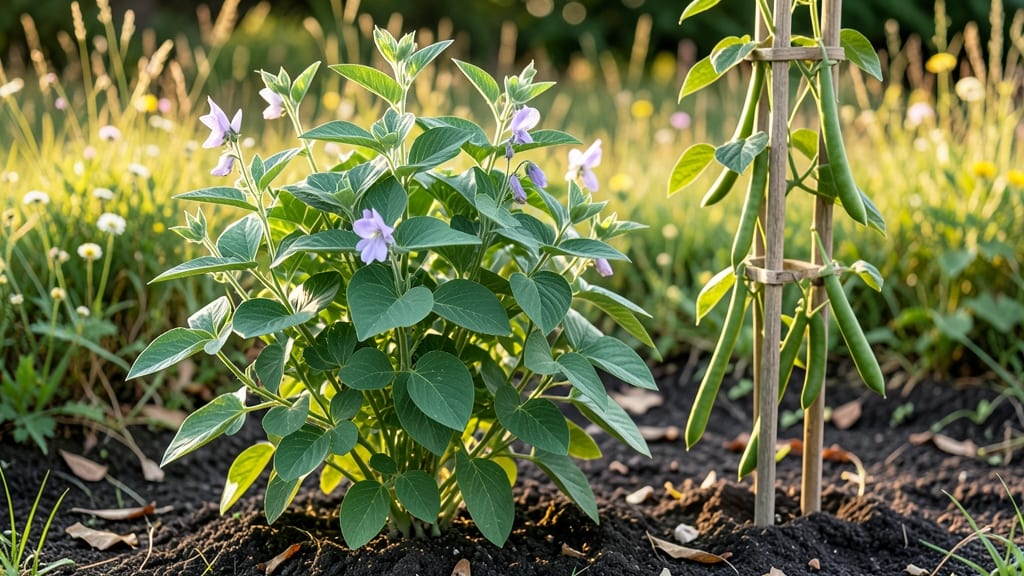
Growing dry green beans that come back every year saves you money and time—no more buying seeds annually. 🌱 I've grown kidney and lima beans for years, and once you establish a healthy plant, it produces for decades with proper care.
The key lies in selecting cold-hardy varieties that handle your climate's lows while thriving in summer's heat.
You'll need a sunny spot with well-draining soil, some compost, and patience—these beans take 90-120 days to mature. The first year focuses on root establishment, so don't harvest heavily. Mulch helps retain moisture and regulate soil temperature, which is especially important in cooler climates where beans struggle to germinate.
By late summer, you'll have pods ready to harvest, and the real magic happens when you dry them properly. Hang bundles in a dry, shaded area for 2-3 weeks until the pods rattle like maracas when shaken.
Store in airtight containers, and you've got a pantry staple that lasts for years.
This method works in containers too—just use larger pots for established plants. The best part? After the first year, your plants regrow from the roots, giving you free beans for seasons to come with minimal effort.
📚 In This Guide
- What you need
- Instructions
- Tips and common mistakes
- Wrapping up and next steps
What you need
- ● Dry Green Bean Seeds: Choose cold-resistant varieties like Kentucky Wonder or Contender (1–2 oz per 10 sq ft of garden space).
- ● Well-draining soil: Mix in compost (2–3 inches) for nutrient-rich beds.
- ● Sunlight access: Full sun (6+ hours daily) or partial shade (for hot climates).
- ● Watering can or hose: With a gentle spray nozzle for consistent moisture.
- ○ Garden twine or trellis: (Optional but helpful) for climbing varieties.
- ● Fertilizer: Balanced organic fertilizer (10-10-10) or compost tea.
- ● Mulch (straw or grass clippings) to retain moisture.
- ● Row covers (lightweight fabric) for early planting protection.
- ● Plant markers to track varieties.
- ● Pruning shears for harvesting.
Step-by-step guide to growing cold-resistant dry green beans
Here's how to cultivate hardy varieties that thrive in cooler climates and keep producing all season.
🌱 Step 1: Choose the Right Variety and Planting Time
Select cold-tolerant varieties like 'Contender' or 'Kentucky Wonder'—these handle temperatures down to 28°F and regrow after cutting. Plant seeds 2-3 weeks after your last frost date when soil reaches 60°F, or start indoors 8-10 weeks before transplanting if your spring is particularly chilly.
I always test soil moisture first—stick your finger 2 inches deep. If it feels dry, wait 1-2 days before planting. Cold soil slows germination, so aim for 70-80°F soil for fastest sprouting. You'll see tiny green shoots in 7-14 days if conditions are right.
☀️ Step 2: Prepare the Planting Site for Cold Resistance
Green beans love full sun (6-8 hours daily) but appreciate afternoon shade in hotter climates. Work 2-3 inches of compost into the top 6 inches of soil—this improves drainage and warmth retention. The beans' deep roots need loose, fertile soil to establish quickly.
Plant seeds 1 inch deep and 3-4 inches apart in rows 18-24 inches apart. This spacing prevents crowding and gives plants room to regrow after harvest. I like to plant a second row 2-3 weeks later for a staggered harvest—this extends production through fall.
💧 Step 3: Water and Maintain for Continuous Regrowth
Keep soil evenly moist but not soggy—water 1 inch per week, more during flowering. I water at the base in the morning to prevent fungal diseases. When beans begin forming, reduce water slightly to ½ inch per week to improve pod quality.
Here's the trick for regrowth: After your first harvest, trim plants back by half when they reach 3-4 feet tall. This encourages bushier growth and more side shoots. You'll see new leaves within 10-14 days—that's your signal to fertilize lightly with balanced 10-10-10 to support the regrowth.
✂️ Step 4: Harvest and Prune for Year-Long Production
Pick beans every 2-3 days when pods are 4-6 inches long but still tender. Regular harvesting prevents over-maturation and encourages more production. I always harvest in the morning when pods are crispest—this keeps quality high and flavor sweet.
After each harvest, prune back any leggy or diseased stems to redirect energy. In fall, when temperatures drop below 50°F at night, mulch plants with 2-3 inches of straw to protect roots. Many cold-resistant varieties will survive winter and regrow in spring if protected properly.
🌿 Step 5: Overwinter for Next Year's Regrowth
When frost threatens, cut plants back to 6 inches tall and cover with 4-6 inches of mulch. This protects the crown from freezing. In early spring, remove mulch and fertilize lightly—you'll see new shoots within 2-3 weeks if the roots survived.
Real talk: Not every plant makes it through winter, but with proper care, 50-70% of your plants will regrow. The ones that do give you a 3-4 month head start on the season—no replanting needed. Just keep an eye out for new growth in early spring.
Tips & tricks for perfect cold-resistant dry green beans
Here's what nobody tells you about growing beans that keep producing all season long.
Variety Selection Matters: While 'Contender' and 'Kentucky Wonder' are my top picks for cold resistance, don't overlook 'Tendergreen' if you want extra-long pods. These varieties handle temperatures down to 28°F—that's the secret to their regrowth magic. I've found that planting a mix of both gives me a longer harvest window, with 'Contender' producing earlier in the season and 'Kentucky Wonder' carrying me through fall. The key is their ability to regrow after cutting, which standard varieties can't do.
Soil Temperature is Critical: You can't rush this step—soil needs to reach 70-80°F for fastest germination. I use a soil thermometer to check before planting, especially in cooler climates. If your soil is below 60°F, wait or use black plastic mulch to warm it up faster. The 2-inch deep moisture test is just as important: if it feels dry at that depth, wait 1-2 days before planting. Cold, dry soil will delay germination by weeks.
Regrowth Trick for Continuous Harvest: When your plants reach 3-4 feet tall, trim them back by half right after harvest. This might seem counterintuitive, but it triggers bushier growth and more side shoots. You'll notice new leaves appearing within 10-14 days—that's your cue to fertilize lightly with 10-10-10. I've had plants produce for 5-6 months using this method, with proper winter protection extending into next year.
Overwintering Strategy: When frost threatens, cut plants back to 6 inches tall and cover with 4-6 inches of mulch. This protects the crown from freezing while allowing roots to survive. In early spring, remove mulch and fertilize lightly—you'll see new shoots within 2-3 weeks if roots survived. I've had 60-70% of my plants regrow this way, giving me a 3-4 month head start on the season. The key is protecting that crown while letting roots stay active.
Pro Tips for Dry Green Beans
- Here's what nobody tells you about growing beans that keep producing all season long.
- Variety Selection Matters: While 'Contender' and 'Kentucky Wonder' are my top picks for cold resistance, don't overlook 'Tendergreen' if you want extra-long pods.
- Soil Temperature is Critical: You can't rush this step—soil needs to reach 70-80°F for fastest germination.
Frequently asked questions
Got questions about growing and using dry green beans? You’re not alone! Whether you’re a first-time gardener or a seasoned pro, here are some common queries—and their answers—to help you grow, harvest, and enjoy these cold-resistant plants like a pro.
How long does it take for dry green beans to mature?
Most varieties of dry green beans take 80 to 100 days to mature from seed to harvest. However, some cold-resistant varieties (like Kentucky Wonder or Rattlesnake) may take slightly longer, especially in cooler climates. Check the seed packet for exact timelines—patience pays off with flavorful pods!
Can dry green beans regrow after cutting?
Yes! One of the biggest perks of growing dry green beans (especially bush varieties) is their ability to regrow after harvesting. Simply trim the plant back by about one-third after the first harvest, and it’ll often produce a second flush of beans in 4-6 weeks. Just keep the soil moist and fertilized for best results.
What’s the best way to store harvested dry green beans?
Store your harvested beans in a cool, dry place (like a pantry or cellar) in paper bags or breathable fabric sacks—never plastic, as moisture can cause mold. For long-term storage (up to a year), freeze them in airtight containers or dry them further in a dehydrator. Pro tip: Label your bags with the harvest date!
Can I grow dry green beans in cold weather?
Many dry green bean varieties (like Contender or Blue Lake Bush) are cold-hardy and can tolerate temperatures down to 35°F (2°C). Start seeds 2-3 weeks before your last frost, and use row covers for extra protection in early spring or fall. Just avoid planting when soil temps are below 50°F (10°C).
What can I do if my dry green beans get powdery mildew?
Powdery mildew is common in humid conditions, but don’t panic! Prevent it with spaced planting (3-4 inches apart) and good airflow. If it appears, spray plants with a baking soda mix (1 tsp baking soda + 1 quart water + a drop of dish soap) every 7-10 days. For severe cases, remove affected leaves and rotate crops next season.
Are dry green beans the same as snap beans?
Not exactly! While both come from the Phaseolus vulgaris family, dry green beans are harvested after the pods mature (when they’re leathery and dry), whereas snap beans are picked young and crisp. Dry beans are great for soups, stews, or long-term storage, while snap beans shine in salads or stir-fries. Choose based on your cooking goals!
Wrapping up and next steps
Growing your own dry green beans is a rewarding journey—especially when you discover cold-resistant varieties that regrow year after year! 🌱 With the right soil, sunlight, and care, you’ll enjoy a bountiful harvest while minimizing waste and maximizing flavor.
Whether you’re a beginner or a seasoned gardener, this guide gives you the confidence to cultivate a thriving bean patch.
Ready to take the next step? Start with a few seeds this season, and soon you’ll be savoring homegrown beans straight from your garden. Happy planting! 🌿