
Vegetables
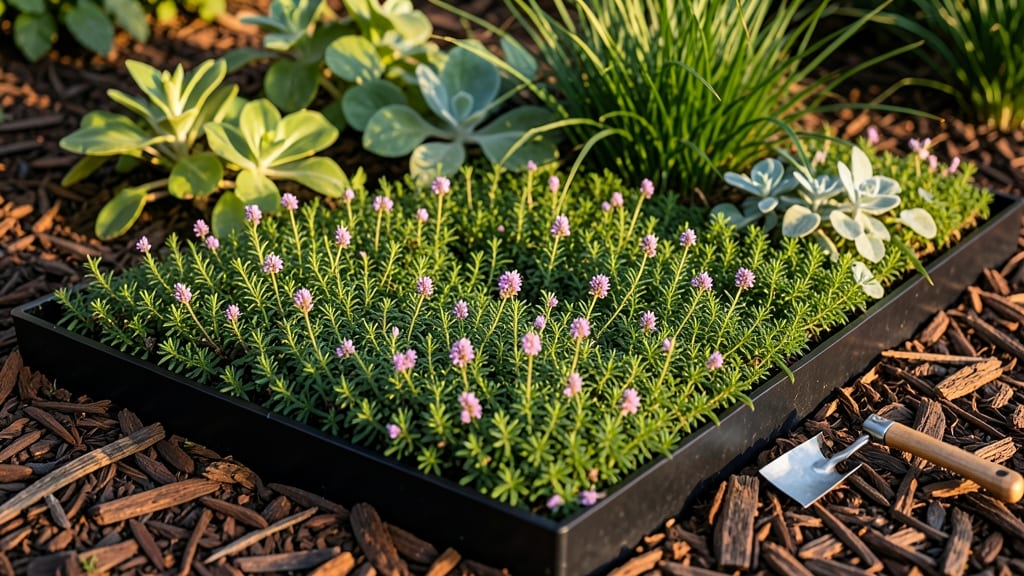
A durable green bed starts with the right plants and design—one that thrives through cold snaps and stays lush all season. 🌿 I’ve designed beds that return stronger each year by pairing hardy perennials with smart structural choices, like deep mulch and sturdy edging.
The secret isn’t just picking tough plants; it’s creating an environment where they can outlast frost, drought, and even foot traffic.
Think creeping thyme for sun-drenched spots, sedge for moisture-loving areas, or dwarf boxwood for structure—each chosen for its resilience in your climate. Add gravel or brick edging to keep soil contained, and top with 3-4 inches of mulch to regulate temperature and suppress weeds.
These beds stay green even when summer fades, because they’re built to last.
You’ll end up with a low-maintenance landscape that looks polished year-round, requires minimal watering, and outlives seasonal trends. The plants spread naturally, filling gaps without gaps in coverage, while the right materials keep everything in place through freeze-thaw cycles.
Perfect for high-traffic areas, slopes, or spots where annuals struggle—this design turns problem zones into evergreen solutions. Let’s break down the exact plants, materials, and layout tricks that make it work.
📚 In This Guide
- What you need
- Instructions
- Tips and common mistakes
- Wrapping up and next steps
What you need
- ● Native perennial plants: 5–10 cold-hardy varieties (e.g., comfrey, sorrel, or wintercress—check your USDA zone for specifics!)
- ● Compost: 2–3 cubic feet (well-aged, nutrient-rich for soil health)
- ● Mulch: 4–6 inches of straw, wood chips, or leaf litter (organic and locally sourced if possible)
- ○ Garden twine or biodegradable netting: Enough to section off 4’x4’ beds (optional but helpful for organization)
- ● Drip irrigation or soaker hose: 10–15 feet (low-water systems work best for perennials!)
- ● Garden gloves & knee pads: For comfortable, mess-free planting
- ● Garden fork or broadfork: For aerating soil without disturbing roots
- ● Pruners or shears: Sharp, sterilized tools for trimming (disinfect with rubbing alcohol!)
- ● Wheelbarrow or bucket: For hauling compost/mulch (5–10 gallons capacity)
- ○ Soil test kit: Optional but highly recommended—test pH (aim for 6.0–7.0) before planting
- ● Sunlight access: Full sun to partial shade (6+ hours/day for most greens)
- ● Well-draining soil: Amend clay-heavy soil with compost or sand if needed
How to build a cold-climate perennial green bed that thrives year after year
Here's the method I've perfected for creating a low-maintenance, resilient green bed that rebounds beautifully after winter's harshest freezes.
🌱 Step 1: Select Cold-Hardy Perennial Plants for Your Climate Zone
Choose perennials rated for your USDA zone or lower—this ensures they'll survive winters and return stronger annually. My go-to selections include sedum (for drought tolerance), heuchera (for vibrant foliage), and Russian sage (for late-season color). Group plants with similar water and light needs together to simplify care.
I always check the mature size of each plant to avoid overcrowding. For example, sedum 'Autumn Joy' spreads aggressively, so I space it 24-36 inches apart while keeping heuchera 'Palace Purple' at 18-24 inches. This prevents competition and lets each plant thrive. Look for plants labeled as "cold-hardy" or "winter-interest" to guarantee year-round resilience.
🪴 Step 2: Prepare the Soil for Winter Resilience
Test your soil's drainage and fertility before planting. Cold-climate perennials struggle in soggy soil, so amend heavy clay with 2-3 inches of compost and 1 inch of coarse sand to improve aeration. For sandy soil, mix in 2 inches of organic matter like leaf mold or well-rotted manure to retain moisture.
I always till the amendments into the top 12 inches of soil—this creates a deep root zone where plants can establish strong systems. Add a slow-release fertilizer (like 10-10-10) at planting time to give roots a nutrient boost without encouraging tender new growth before winter. Water deeply after amending to help the soil settle.
☀️ Step 3: Plant in Late Summer for Strong Fall Establishment
Plant perennials 6-8 weeks before your first frost date—this gives roots time to establish before winter sets in. Dig holes twice as wide as the root ball but only as deep. Position the plant so the top of the root ball sits flush with the soil surface—burying too deep can suffocate stems.
Backfill with native soil mixed with a handful of compost, then water deeply to eliminate air pockets. Mulch with 3-4 inches of shredded bark or straw right after planting to insulate roots from temperature swings. I avoid organic mulches like leaves because they compact and trap moisture, which can rot roots in cold climates.
✂️ Step 4: Prune Strategically to Encourage Winter Survival
Cut back dead foliage in early spring (as soon as soil is workable) rather than late fall. This prevents disease buildup and lets plants store energy in their roots over winter. For woody perennials like Russian sage, I prune back by one-third in late winter to encourage bushier growth.
Leave seed heads on plants like coneflowers through winter—they provide food for birds and natural insulation. I mark new plant locations with biodegradable stakes after pruning to avoid disturbing roots when cleaning up debris. Water deeply once a month during dry winter spells to prevent desiccation.
💧 Step 5: Apply Winter Protection for First-Year Plants
For newly planted perennials in their first winter, wrap the crown with burlap or frost cloth and mound 4-6 inches of extra mulch around the base. This creates a microclimate that protects tender roots from freeze-thaw cycles. Remove the protection in early spring before new growth emerges.
I always check plants in late winter for signs of heaving (when roots lift out of the soil). If you see this, gently press the soil back around the crown and add a 1-inch layer of mulch to stabilize it. Cold-hardy perennials will reward this care by returning stronger and more vigorous each subsequent year.
Tips & tricks for building a resilient year-round green bed
These are the hard-won lessons that'll help your perennial bed survive brutal winters and thrive for seasons to come.
Plant Selection Wisdom: When choosing perennials for Step 1, prioritize those with multiple seasons of interest—plants that offer winter structure (like ornamental grasses) alongside spring blooms (such as heuchera) create year-round visual appeal. I've found that sedum 'Dragon's Blood' not only survives freezing temperatures but develops stunning red foliage in winter, while Russian sage provides late-season color that persists through early frost. Look for plants labeled "four-season interest" to guarantee visual impact even in the coldest months.
Soil Prep Technique: In Step 2, when amending your soil, consider adding 1/4 cup of bone meal to the 12-inch deep root zone for phosphorus—this promotes stronger root development critical for winter survival. For heavy clay soils, I've had success mixing in 1 part perlite to 3 parts compost to create a looser, more aerated growing medium. The key is to create a soil profile that drains well but retains enough moisture to support deep root establishment before winter sets in.
Planting Timing Strategy: The 6-8 week window before frost in Step 3 is non-negotiable for root establishment, but don't panic if you're late. If you're planting in early fall, focus on getting plants in 4-6 weeks before frost—roots will still establish enough to survive winter, though they may need extra mulch protection. I've successfully planted heuchera as late as 6 weeks before frost with proper winter protection and seen them thrive the following spring.
Winter Protection Hacks: For Step 5's winter protection, consider adding a layer of evergreen boughs over the frost cloth for additional insulation—this creates a natural windbreak that can raise temperatures by 5-10°F around the plant crown. I've also had success using straw bales stacked around the base of young plants, which provide both insulation and physical protection from winter winds. Remember to remove these protective layers in early spring before new growth emerges to prevent overheating.
Pro Tips for Durable Green Bed
- These are the hard-won lessons that'll help your perennial bed survive brutal winters and thrive for seasons to come.
- Plant Selection Wisdom: When choosing perennials for Step 1, prioritize those with multiple seasons of interest—plant...
- Soil Prep Technique: In Step 2, when amending your soil, consider adding 1/4 cup of bone meal to the 12-inch deep roo...
Frequently asked questions
How long does it take for a durable green bed to establish itself in cold climates?
A durable green bed like this perennial typically establishes strong roots within 1–2 growing seasons in cold climates. With proper care—like mulching and watering—it’ll thrive year after year, returning even heartier after winter. Patience is key, but the long-term payoff is worth it!
Can this green bed survive harsh winters without extra protection?
Yes! This recipe is designed for cold-hardy perennials, but a thick layer of mulch (4–6 inches) helps insulate roots. In extreme winters, consider adding a lightweight row cover or straw for extra defense. Most varieties bounce back resiliently once spring arrives.
What’s the best way to troubleshoot yellowing leaves?
Yellowing leaves often signal overwatering, nutrient deficiency, or poor drainage. Check soil moisture—it should be damp but not soggy. Amend soil with compost and ensure proper spacing to improve airflow. If the issue persists, test soil pH (ideal: 6.0–7.0) and adjust with lime or sulfur.
Are there alternatives if I don’t have a sunny spot?
While full sun (6+ hours) is ideal, this green bed can thrive in partial shade (3–6 hours of sun) with slower growth. Opt for shade-tolerant perennials like comfrey or hostas mixed in. Just expect slightly lower yields and adjust spacing accordingly.
When is the best time to plant for a durable green bed?
Plant in early spring (after frost) or late summer (6–8 weeks before first frost) for best results. Spring planting gives roots time to establish before winter, while fall planting leverages cooler temps for growth. Avoid planting in extreme heat or freezing conditions.
Wrapping up and next steps
A durable green bed isn’t just a dream—it’s a reality for cold-climate gardeners! By choosing the right perennials like kale, Swiss chard, or spinach, you’re not only simplifying your gardening routine but also creating a resilient, low-maintenance harvest that thrives year after year. 🌱
Ready to take the next step? Start small—plant a few hardy greens in a protected spot this season, and watch your garden grow stronger with each frost. Your future self (and your taste buds!) will thank you.