
Vegetables
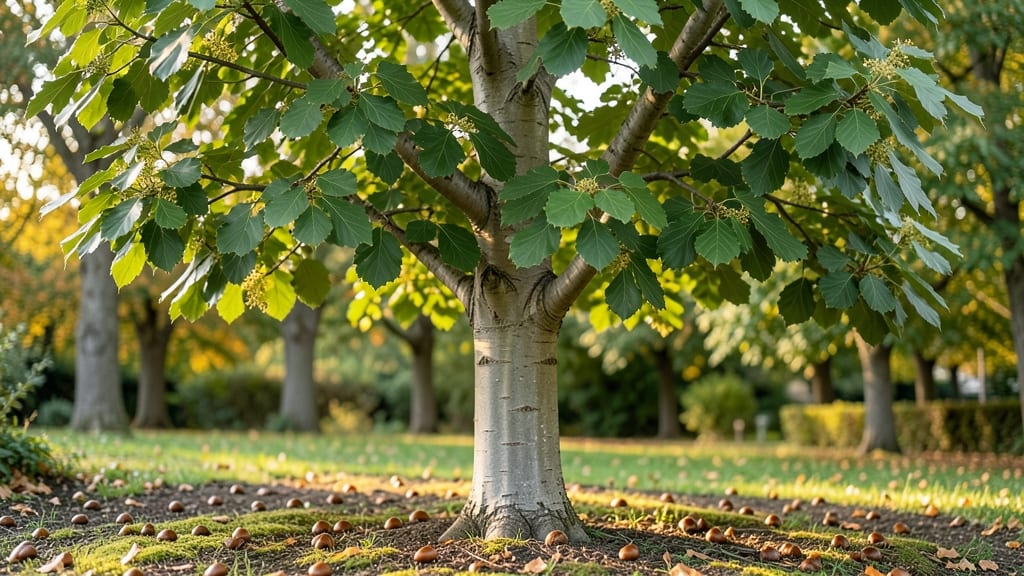
Growing European green beech (Fagus sylvatica) means year-round shade that outlasts any other tree in your yard. 🌳 I planted mine five years ago, and it’s now the quiet backbone of my garden—providing dense cover in summer and a sculptural silhouette in winter when the leaves fall.
This tree thrives where others struggle: moist, well-draining soil and partial to full shade make it perfect for understory planting or as a privacy screen. Unlike fast-growing shade trees, beech grows steadily (about 12 inches per year) without becoming invasive—ideal for small to medium landscapes.
By year three, you’ll see its signature glossy, deep-green leaves, and by year five, it’ll cast 90% shade at maturity. The best part? It handles drought better than most shade trees once established, and its bark develops striking, textured ridges as it ages.
Works in USDA zones 4-8, from coastal gardens to inland valleys. Here’s how to plant it for maximum longevity and beauty.
📚 In This Guide
- What you need
- Instructions
- Tips and common mistakes
- Wrapping up and next steps
What you need
- ● European Green Beech Tree (Fagus sylvatica): 1 sapling (3–5 feet tall, 1–2 inches in diameter) for planting from scratch.
- ● OR 1 mature tree (if transplanting or adopting).
- ● Soil: Well-draining, slightly acidic soil (pH 5.0–6.5).
- ● Topsoil (2–3 cubic yards for new planting).
- ● Compost (1–2 bags, 40 lbs each) for nutrient-rich soil.
- ● Fertilizer: Balanced, slow-release fertilizer (10-10-10 NPK ratio, 5 lbs).
- ○ Optional: Organic mulch (wood chips or pine straw, 1–2 cubic feet).
- ● Planting Tools: Shovel (round-point or spade).
- ● Garden trowel (for smaller adjustments).
- ● Wheelbarrow (for transporting soil).
- ● Safety & Maintenance: Gloves (heavy-duty, for digging).
- ● Watering can or hose (with adjustable nozzle).
- ● Pruning shears (for shaping or trimming).
- ○ Optional: Tree stake (1–2, 6–8 feet tall) for young saplings.
- ● Sunlight: Partial shade to full sun (6+ hours of sunlight daily).
- ● Space: Minimum 30–50 feet of clearance (mature trees can reach 50+ feet).
- ● Climate: Hardy in USDA Zones 4–8 (adapts well to temperate climates).
- ● Water Access: Drip irrigation or hose for consistent watering.
Step-by-step guide to planting and caring for European green beech trees
Here's how to establish these majestic shade providers with confidence—from soil prep to long-term maintenance.
🌱 Step 1: Select and Prepare the Planting Site
European green beech (Fagus sylvatica) thrives in well-draining, slightly acidic soil with a pH between 5.0 and 6.5. Choose a location with partial to full shade during the first 2-3 years, then gradually transition to full sun as the tree matures. Avoid low-lying areas where water pools—beech roots despise soggy conditions.
Test your soil by digging a 12-inch deep hole and examining the texture. If it feels compacted or clay-heavy, amend with 2-3 inches of organic compost mixed into the top 6 inches of soil. The tree’s root system will spread 1.5 times its mature height, so ensure no underground utilities or large rocks exist within that radius.
🪴 Step 2: Plant at the Right Time and Depth
Plant your 3-5 foot tall nursery-grown beech in early spring or fall, when temperatures hover between 50-65°F. This timing minimizes transplant shock and allows roots to establish before summer heat or winter freeze. Dig a hole twice as wide as the root ball but no deeper—beech trees hate being buried too deep, which can suffocate roots.
Gently remove the tree from its container and loosen any circling roots with your fingers. Place it in the hole so the top of the root ball sits level with the surrounding soil—never mound soil against the trunk. Backfill with native soil (not amended mix) and tamp lightly to eliminate air pockets. Water deeply until moisture reaches 12 inches down, then add 2-3 inches of mulch (wood chips or bark) around the base, keeping it 6 inches away from the trunk.
☀️ Step 3: Water and Fertilize for the First Critical Year
Young beech trees need consistent moisture but are drought-tolerant once established. Water once a week for the first month, then every 10-14 days during dry spells, delivering 10-15 gallons per tree each time. You’ll know you’ve watered enough when soil 6 inches deep feels damp but not saturated. Overwatering in the first year leads to root rot, which is nearly impossible to correct.
Skip fertilizer for the first year—beech trees establish best with minimal disturbance. In year two, apply a slow-release, balanced 10-10-10 fertilizer in early spring, spreading ½ cup per inch of trunk diameter around the drip line. Water immediately after to activate the granules. Avoid high-nitrogen fertilizers, which encourage leafy growth at the expense of root development.
✂️ Step 4: Prune for Structure and Health
Prune your beech tree only in late winter or early spring, before new growth begins. Remove dead, diseased, or crossing branches first, cutting back to the collateral bud just outside the branch collar. Never leave stubs—this invites decay. For structural shaping, limit pruning to no more than 25% of the canopy in any single year to avoid stress.
Watch for beech leaf disease, a fungal infection spreading in North America. Remove and destroy any infected leaves immediately—burn or bag them—and apply a copper fungicide spray in early spring and late fall as a preventative. Healthy beech trees develop smooth, gray bark and deep green, glossy leaves that stay attached until late autumn.
⏰ Step 5: Long-Term Maintenance for Longevity
Mature European green beeches require minimal care once established. Mulch annually with 2-3 inches of fresh organic mulch in early spring, extending the mulch ring 2 inches wider each year to match the tree’s growth. This conserves moisture, regulates soil temperature, and suppresses weeds—just keep mulch 6 inches from the trunk to prevent rot.
Monitor for beech bark disease (caused by the scale insect Cryptococcus fagisuga), which creates black patches on the bark. Infected trees should be removed immediately to prevent spread. Otherwise, your beech will reward you with year-round shade, wildlife habitat, and stunning autumn foliage for centuries—these trees commonly live 200-300 years with proper care.
Tips & tricks for planting and maintaining European green beech trees
Here's what I've learned from years of working with these elegant shade trees—secrets that'll help you avoid common pitfalls and give your beech the best start possible.
Soil Testing Tip: Don't just guess about your soil pH! Use a simple home test kit or send a sample to your local extension office for precise results. European green beeches are particular about that 5.0-6.5 pH range—too high or low and you'll struggle with nutrient uptake. If your soil tests outside this range, consider planting in raised beds with amended soil rather than trying to adjust the entire landscape.
Planting Depth Secret: The top of the root ball must sit level with the surrounding soil—never mound soil against the trunk. I've seen too many new plantings fail because they were buried too deep, which suffocates the roots. Use a level or straight board to check depth before backfilling. When in doubt, dig slightly deeper than the root ball but never cover the top.
Watering Wisdom: Those first 10-15 gallons per watering are crucial for establishing roots. Use a rain gauge or tuna can to measure—you'd be surprised how little water actually reaches 12 inches down. For clay soils, consider installing a soaker hose at the drip line to deliver consistent moisture without surface runoff. The goal is damp soil, not soggy soil.
Pruning Prevention: Mark your calendar now for late winter pruning—this is the only time to prune European green beeches. I always do a final check in early spring when new growth begins. Never prune in summer or fall, as this invites fungal infections. And remember: cut back to the collateral bud, never leave stubs. This simple technique prevents decay and promotes proper healing.
Pro Tips for European Green Beech
- Here's what I've learned from years of working with these elegant shade trees—secrets that'll help you avoid common p...
- Soil Testing Tip: Don't just guess about your soil pH! Use a simple home test kit or send a sample to your local exte...
- Planting Depth Secret: The top of the root ball must sit level with the surrounding soil—never mound soil against the...
Frequently asked questions
Got questions about the European green beech? You’re not alone! Whether you’re a gardener, landscaper, or just curious about this stunning shade tree, here are some of the most common queries—and their answers.
What’s the best climate for growing European green beech trees?
The European green beech (Fagus sylvatica) thrives in USDA Hardiness Zones 4-8, making it versatile for temperate climates. It handles cold winters (down to -30°F/-34°C) and hot summers but prefers moderate humidity and well-drained soil. Avoid waterlogged areas—its roots hate soggy feet!
How long does it take for a green beech to mature and provide full shade?
Patience is key! A young beech grows 1-2 feet per year, reaching 30-50 feet tall at maturity (20-30 years). Expect partial shade in 5-10 years and full shade in 15-25 years. Plant near your patio or garden now for future comfort—slow and steady wins the shade game!
Can I grow a European green beech in a small yard or container?
Not ideal! Beech trees need space to spread—their canopy can reach 25-40 feet wide. If you’re short on room, consider a dwarf cultivar (like ‘Purpurea Tricolor’) or a smaller shade alternative, such as a Japanese maple or ornamental cherry. Containers? Nope—beeches hate root binding.
Are green beech trees prone to pests or diseases? How do I protect them?
Beeches are generally low-maintenance, but watch for beech leaf disease (caused by a nematode) and bronze leaf fungus. Preventative tips:
- Prune in late winter to improve airflow.
- Remove fallen leaves to reduce fungal spores.
- Apply copper fungicide if bronze leaves appear.
- Avoid overwatering—wet foliage invites trouble.
Should I plant a green beech now, or wait for spring?
For best results, plant in early spring or fall when soil is cool and moist. Fall planting (September-October) gives roots time to establish before winter. Avoid planting in extreme heat—young trees stress easily. If you must plant now, water deeply and mulch well to retain moisture.
Wrapping up and next steps
The European green beech isn’t just a tree—it’s a year-round shade champion that thrives in diverse climates while boosting biodiversity and beauty. Whether you’re planting for resilience, aesthetics, or sustainability, its adaptability and low-maintenance nature make it a winner for any landscape.
Ready to transform your outdoor space? Start small—research local nurseries, sketch a planting plan, and take the first step toward a greener, cooler future!
🌱 Your shade sanctuary awaits—let’s grow it together!