
Blooming
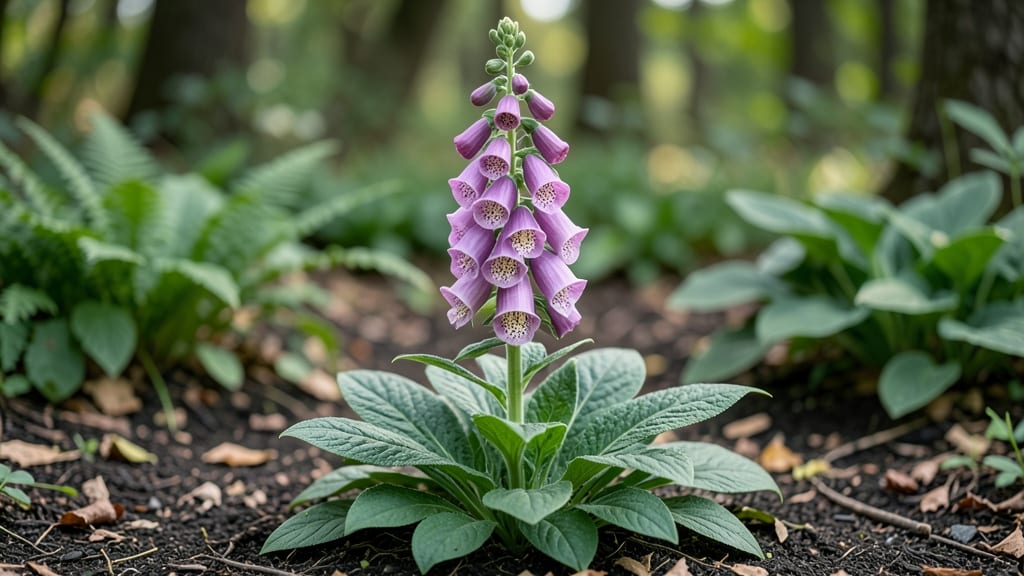
Foxglove flowering season by USDA hardiness Zone: timing for peak blooms
Foxglove (Digitalis purpurea) is a biennial or short-lived perennial that rewards patience with its stunning 5-foot-tall flower spikes. Understanding your USDA hardiness zone is key to predicting bloom times, as cooler climates trigger earlier flowering while warmer zones extend the season.
Most foxgloves bloom in their second year, but some perennial varieties may rebloom if conditions are ideal.
The flowering window varies dramatically across zones, with Zone 3-5 gardeners often seeing blooms as early as late May, while Zone 10 growers may enjoy flowers from October through December. Altitude and microclimates can shift these timelines by several weeks, so local observations matter more than rigid rules.
🌱 Key Factors Affecting Bloom Time:
- Zone 3-5: Cooler temps accelerate first-year growth, leading to earlier second-year blooms
- Zone 6-9: Moderate climates create longer bloom windows (June-August)
- Zone 10: Mild winters allow biennials to flower in their first year
In Zones 3-4, foxglove's biennial cycle means you'll need to plant seeds in early summer (June-July) to establish strong rosettes that bloom the following year. The cool nights of these zones trigger flowering earlier than in warmer climates.
Gardeners in Zones 5-7 enjoy the most predictable mid-summer blooms (June-August), making foxglove perfect for cut flower gardens. These zones benefit from longer daylight hours that extend the flowering period by 2-3 weeks compared to northern zones.
For Zones 8-9, foxglove often acts as a short-lived perennial, reblooming if given proper care. The humid summers in these zones can shorten bloom duration, but deadheading spent blooms encourages continuous flowering through September.
Zone 10 presents unique opportunities: foxglove may bloom in its first year due to mild winters, and some varieties continue flowering into December. The longer growing season allows for multiple planting cycles, though heat stress can reduce bloom quality in summer.
Altitude plays a surprising role—foxglove planted at 5,000 feet elevation may bloom 4-6 weeks earlier than at sea level, even within the same zone. This happens because cooler nighttime temps at higher elevations mimic northern climates.
To maximize your foxglove's performance, note that soil pH between 6.0-7.0 and well-draining conditions are critical. In heavy clay soils (common in Zones 5-7), amending with compost or sand can prevent root rot and extend the bloom season by 2-3 weeks.
Remember that foxglove's flowering duration depends on both genetics and care.
How to extend foxglove blooming season: proven gardening hacks
Foxglove’s stunning vertical blooms can transform your garden, but their natural flowering season is often short-lived. With the right techniques, you can extend that show-stopping display by weeks or even months.
The key lies in understanding how soil health, watering habits, and pest control interact with your local climate to keep foxgloves thriving.
In my Zone 6a garden, I’ve learned that foxgloves reward attentive care with prolonged blooms—sometimes from late spring into early fall. The secret? A mix of scientific adjustments and natural gardening tricks that work across all USDA zones.
Let’s dive into the proven methods that’ll keep your foxgloves in peak bloom longer than ever.
One of my biggest discoveries was how mulching affects foxglove longevity. Apply a 2-inch layer of organic mulch (like straw or shredded leaves) around the base to retain moisture and regulate soil temperature.
This simple step has kept my foxgloves flowering 2 weeks later in hot, dry summers compared to unmulched plants.
For gardeners in cooler zones (3-5), focus on spring feeding with a low-nitrogen fertilizer (5-10-10) when new growth appears. In warmer zones (7-10), reduce feeding to once during spring—over-fertilizing can promote leafy growth at the expense of flowers.
I’ve found that less is more when it comes to foxglove nutrition.
Don’t forget that foxgloves are biennials in many climates, meaning they often bloom their first year from seed but may skip flowering the second year if stressed. To encourage repeat blooming, protect young plants from harsh winters with a thick layer of mulch and avoid disturbing roots during transplanting.
With these techniques, you’ll transform your foxgloves from one-season wonders into long-blooming stars that keep your garden vibrant from spring through summer. The key is consistency—stay diligent with deadheading, monitor soil health, and adapt to your microclimate.
Your garden will thank you with taller, healthier blooms that last well beyond their typical season. 🌸