
Vegetables
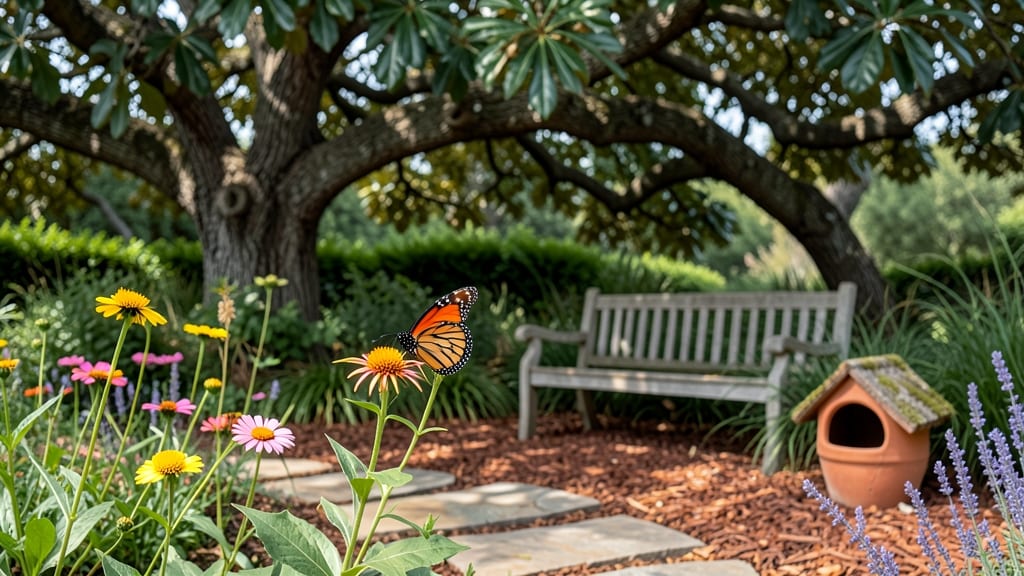
Gainesville’s gardens thrive where others falter—thanks to cold-hardy perennials that paint the city in color year-round. 🌿 I’ve designed my own backyard oasis here, and the secret lies in plants that shrug off Florida’s mild winters while still blooming like it’s summer.
The key? Choosing native species and smart layering to create visual interest in every season.
Think beyond the usual palm trees—Gainesville’s climate supports shrubby perennials like abelia, salvia, and coreopsis that stay lush even after frost. These plants need minimal fuss: well-draining soil, occasional pruning, and enough sunlight to fuel their growth.
My front yard’s purple abelia blooms from spring to fall, while the golden coreopsis adds a sunburst effect that lasts until winter’s edge.
What you’ll love most is how effortlessly these gardens blend beauty with sustainability. Native plants require less water and no pesticides, and they support local pollinators like butterflies and hummingbirds. My salvia ‘May Night’ alone has attracted three species of hummingbirds since planting it last spring—no extra work required.
Whether you’re redesigning a small urban lot or expanding a rural property, these perennials adapt to Gainesville’s humid summers and cool winters without compromise. Visit Kanapaha Botanical Gardens for inspiration, then bring the same principles home. The result? A garden that’s always in season, no matter what the calendar says.
📚 In This Guide
- What you need
- Instructions
- Tips and common mistakes
- Wrapping up and next steps
What you need
- ● Cold-Hardy Perennial Plants: 5–10 Lavender plants (e.g., 'Munstead' or 'Grosso') – drought-tolerant & fragrant
- ● 3–5 Russian Sage bushes (perky purple blooms, thrives in heat/cold)
- ● 1–2 Salvia nemorosa ('May Night' or 'Caradonna') – vibrant spikes, deer-resistant
- ● 3–6 Coneflower (Echinacea) ('Magnus' or 'White Swan') – pollinator magnet
- ● 1–2 Black-Eyed Susan (Rudbeckia) ('Goldsturm') – golden-yellow cheer
- ● Soil Amendments: 50 lbs compost (for nutrient-rich soil)
- ● 20 lbs perlite or vermiculite (for drainage)
- ○ Optional: 10 lbs bone meal (for phosphorus boost)
- ● Tools: Garden trowel (for precise planting)
- ● Pruning shears (sharp, for trimming)
- ● Garden gloves (to protect your hands)
- ● Watering can or hose with adjustable nozzle
- ● Wheelbarrow (for hauling soil/plant materials)
- ● Location: Choose a spot with 6+ hours of sunlight daily (most perennials love sun!).
- ● Water Access: Ensure a nearby water source for consistent hydration (especially in Gainesville’s summer heat!).
- ○ Mulch (Optional but Recommended): 2–3 bags pine straw or shredded bark mulch (to retain moisture & suppress weeds)
- ● 💡 Pro Tip: Test your soil’s pH (aim for 6.0–7.0) using a kit from a local nursery like Gainesville Garden Club.
Instructions: designing a year-round Gainesville perennial garden
Here’s how to create a garden that thrives through Gainesville’s mild winters and hot summers.
🌱 Step 1: Select Cold-Hardy Perennials for Gainesville’s Climate
Gainesville’s USDA Zone 8b climate allows for perennials that bloom year-round with minimal fuss. Focus on plants like black-eyed Susan, salvia, coneflower, and Russian sage—they handle humidity and occasional freezes while attracting pollinators. I always check the University of Florida IFAS Extension database for region-specific recommendations before buying.
For structure, add evergreen shrubs like boxwood or dwarf yaupon holly—they provide winter interest while keeping the garden lush. Avoid tropical plants that won’t survive below 20°F; instead, opt for native perennials that thrive in 60-90°F ranges. Group plants by sunlight needs: full sun for coneflowers, partial shade for ferns, and deep shade for hostas.
☀️ Step 2: Plan for Sunlight and Microclimates
Gainesville’s long summer days mean 6+ hours of direct sun for most perennials, but microclimates matter. The north side of your house stays cooler, while the south side bakes—so place sun-lovers like blanket flower on the south and shade-tolerant heuchera on the north. I sketch a quick layout, marking sun exposure at different times of day.
Add mulch (2-3 inches) after planting to retain moisture and regulate soil temperature. Organic mulch like pine straw or shredded bark also suppresses weeds and breaks down slowly, feeding the soil. Water deeply after mulching to settle it in place and encourage root growth.
🪴 Step 3: Prepare the Soil for Long-Term Health
Gainesville’s sandy soil drains too quickly for most perennials, so amend with 2-3 inches of compost before planting. Work it into the top 6-8 inches of soil to improve water retention and nutrient availability. A soil test (available through UF/IFAS Extension) ensures you’re addressing pH or fertility issues before planting.
For containers, use a well-draining potting mix with added perlite or vermiculite. Perennials in pots dry out faster, so I always check moisture levels by sticking my finger 1 inch deep—if it’s dry, water until it drains freely from the bottom.
🌿 Step 4: Plant and Establish for Year-Round Success
Dig holes twice as wide as the root ball but no deeper to prevent waterlogging. Gently loosen roots if they’re circling and place the plant so the top of the root ball sits level with the soil. Backfill with native soil, tamp lightly, and water deeply to eliminate air pockets.
After planting, water 1-2 times weekly for the first month to encourage root establishment. Avoid overhead watering, which can spread fungal diseases. Instead, use drip irrigation or soaker hoses to deliver moisture directly to the roots.
✂️ Step 5: Maintain Through Seasons
Deadhead spent blooms throughout the year to encourage continuous flowering. In late winter, prune back woody perennials like salvia to stimulate new growth. I also divide overcrowded clumps like daylilies or hostas every 3-4 years to keep them vigorous.
Fertilize lightly in early spring with a balanced, slow-release fertilizer (10-10-10). Gainesville’s warm winters mean some perennials grow year-round—so avoid heavy feeding in fall, which can encourage tender new growth before winter.
Tips & tricks for perfect Gainesville gardens
Creating a thriving perennial garden in Gainesville's unique climate takes a few strategic moves that go beyond basic planting. Here's what I've learned after years of trial and error in this region.
Native Plant Pairing: In Step 1, when selecting your black-eyed Susan, salvia, and coneflower, consider pairing them with native ground covers like Froebelia (Froebelia berlandieri) or wild strawberry. These plants create a natural understory that suppresses weeds while maintaining the garden's ecological balance. The key is to match plants with similar water needs—grouping moisture-loving perennials together and drought-tolerant varieties in another section.
Microclimate Mapping: Before planting in Step 2, take a walk around your property at different times of day. Note where morning sun lingers, where afternoon shade appears, and where wind patterns create drying effects. I use colored chalk to mark these zones on my driveway—this visual guide becomes invaluable when planning your layout. Remember that Gainesville's summer humidity means plants on the west side may need extra afternoon shade.
Soil Amendment Strategy: When amending soil in Step 3, don't just focus on compost—consider adding 1-2 inches of coarse sand to improve drainage in heavy clay areas while maintaining the 2-3 inches of compost recommendation. For containers, mix in 1 part perlite to 3 parts potting mix to prevent compaction. I've found that adding a handful of worm castings to each planting hole gives new plants an immediate nutrient boost.
Watering Wisdom: The 1-2 times weekly watering recommendation in Step 4 works best when done in the early morning between 6-9 AM. This timing minimizes evaporation and fungal risks. For new plantings, I set up a simple drip irrigation system on a timer—this ensures consistent moisture without the risk of overhead watering spreading diseases. Remember that Gainesville's sandy soil means you'll need to water more frequently than in heavier clay soils.
Pro Tips for Gardens In Gainesville
- Creating a thriving perennial garden in Gainesville's unique climate takes a few strategic moves that go beyond basic planting.
- Native Plant Pairing: In Step 1, when selecting your black-eyed Susan, salvia, and coneflower, consider pairing them with native ground covers like Froebelia (Froebelia berlandieri) or wild strawberry.
- Microclimate Mapping: Before planting in Step 2, take a walk around your property at different times of day.
Frequently asked questions
Got questions about creating or maintaining stunning gardens in Gainesville? Here are some of the most common queries—and their answers—to help you get started or troubleshoot along the way.
What are the best cold-hardy perennials for Gainesville’s climate?
Gainesville’s Zone 8a climate thrives with perennials like black-eyed Susans, coneflowers, salvia, and Russian sage. These plants handle humidity and occasional freezes while adding year-round color and texture. For veggie gardens, consider kale, broccoli, and carrots—they’re tough, delicious, and perfect for fall/winter harvests!
When is the ideal time to plant perennials in Gainesville?
For spring planting, aim for late February to early April after the last frost (usually around March 15). Fall is also prime time—plant between September and October to give roots time to establish before winter. Pro tip: Mulch heavily after planting to protect young perennials from temperature swings!
How often should I water my Gainesville garden, especially during summer?
Newly planted perennials need 1–1.5 inches of water weekly, while established plants tolerate drought-like conditions once rooted. During peak summer heat (June–August), water deeply 2–3 times per week in the early morning to reduce evaporation. Drip irrigation or soaker hoses work best to avoid fungal issues from overhead watering.
What pests are common in Gainesville gardens, and how do I prevent them?
Watch for aphids, Japanese beetles, and slugs—they love Gainesville’s lush greenery! Preventative tips:
- Neem oil sprays for soft-bodied pests.
- Set up beer traps for slugs (yes, it works!).
- Encourage beneficial insects like ladybugs with native plants.
- Inspect leaves weekly for early signs of damage.
Most pests are manageable with organic methods and vigilance!
Can I grow vegetables alongside perennials in Gainesville?
Companion planting is a great strategy. Pair herbs like basil or thyme with tomatoes to repel pests, or tuck radishes between perennials—they act as “trap crops” for aphids. Just avoid overcrowding; leave 12–18 inches between veggies and perennials for airflow. Rotate crops yearly to prevent soil depletion.
Wrapping up and next steps
Gainesville’s mild winters and rich soil make it a perfect playground for cold-hardy perennials—offering year-round beauty with minimal fuss! 🌿 Whether you’re a seasoned gardener or just starting, these resilient plants bring color, texture, and life to your space while thriving in Florida’s climate. Now’s the time to roll up your sleeves and transform your garden into a vibrant, low-maintenance haven.
Ready to dive in? Start small—pick one or two perennials to test, sketch a simple layout, and gather your tools. Before you know it, your Gainesville garden will be the talk of the neighborhood! 🌸