
Blooming
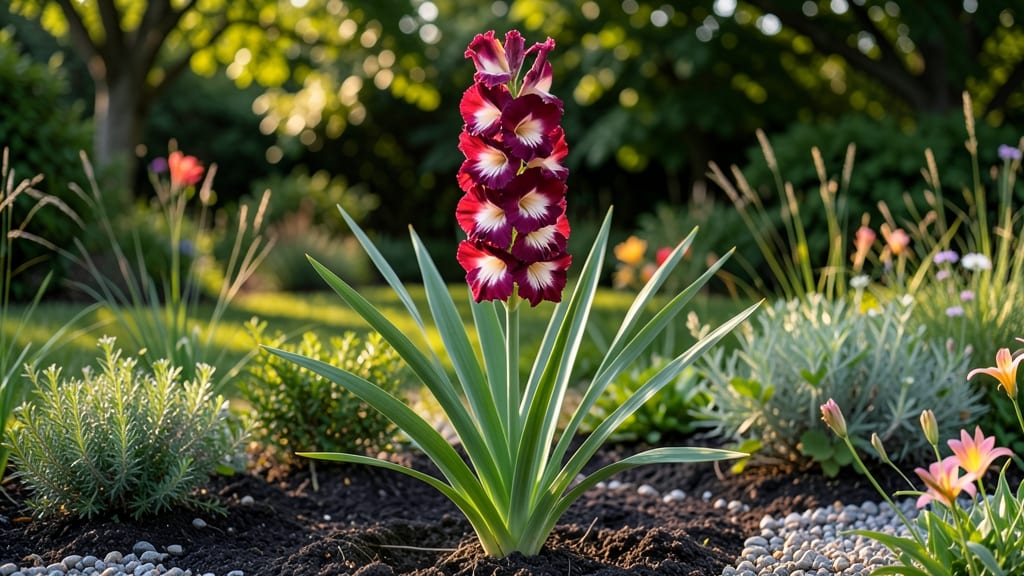
The gladioli flowering season transforms your garden into a vibrant canvas of 🌸 sword-like blooms, but timing is everything to unlock their full potential.
Picture this: you’ve planted your gladioli corms in spring, only to watch them sit there for weeks with no sign of buds. That’s because their flowering season hinges on climate, planting date, and a few key care tricks most gardeners miss.
Without the right approach, you could be staring at green spikes instead of a showstopping display.
In most temperate zones—like USDA 6a—gladioli typically burst into color from July to September, but the exact timing shifts with your location. Early varieties might bloom as soon as late June, while late-season types can stretch into October with the right care.
The secret? A little strategy goes a long way.
Below, I’ll break down the exact months to expect blooms in your area, how to push your gladioli into flowering earlier or longer, and the simple care routine that keeps them thriving from first bud to last petal.
Gladioli flowering season timeline: months and climate zones explained
Timing your gladioli blooms depends heavily on your USDA hardiness zone and the specific variety you choose. In most regions, these dramatic sword-shaped flowers burst into color between mid-summer and early fall, but exact timing shifts dramatically depending on where you live and what types you plant.
For gardeners in warmer southern zones (8-10), you can expect blooms as early as June or July, while those in cooler northern zones (5-7) may see their first flowers in August or September.
Understanding these patterns helps you plan your garden layout and succession planting for continuous color.
Here’s how to visualize the gladioli flowering season across different zones and varieties:
| USDA Zone | Bloom Period | Early Varieties | Mid-Season Varieties | Late Varieties |
|---|---|---|---|---|
| Zones 5-6 | Late July - Early September | 'White Friendship' | 'Green Star' | 'Black Star' |
| Zones 7-8 | June - August | 'Picturestream' | 'Attraction' | 'Swan Lake' |
| Zones 9-10 | May - July | 'Green Ice' | 'Black Pearl' | 'Pink Parfait' |
Note: Planting dates should be adjusted 4-6 weeks earlier for early blooms or 4-6 weeks later for delayed flowering.
Temperature plays a crucial role in gladioli bloom timing. These plants thrive in warm soil temperatures (60°F+) and need consistent warmth to develop buds.
In cooler zones (5-6), early planting in late spring ensures blooms by mid-summer, while fall planting can extend the season into early autumn.
In warmer climates (8-10), gladioli often bloom earlier because the soil warms up faster. However, extreme heat above 90°F can stress plants and shorten their bloom period. Providing afternoon shade during peak summer months helps maintain vibrant blooms for longer.
Choosing the right gladioli varieties also impacts bloom timing. Early-season types like 'White Friendship' typically flower 2-3 weeks sooner than mid-season varieties. Meanwhile, late-season types like 'Black Star' can extend your garden’s color into September or October in cooler regions.
For gardeners in transition zones (7-8), strategic planting can create a continuous bloom sequence. Plant early varieties in spring and late varieties in early summer to enjoy flowers from June through September.
This staggered approach maximizes your garden’s visual impact and ensures you always have fresh cut flowers.
Don’t forget that soil preparation affects bloom timing too. Gladioli need well-draining, nutrient-rich soil to develop strong roots before flowering. Amending your soil with compost or aged manure in early spring gives plants the energy they need to produce larger, more abundant blooms on schedule.
Finally, watering practices influence bloom timing. Consistent moisture during the bud formation stage helps gladioli reach their full potential. Deep watering 2-3 times per week during dry spells encourages healthier growth and prevents buds from drying out prematurely.
By understanding these seasonal patterns and climate considerations, you can plan your gladioli garden to deliver months of stunning color—no matter where you live. 🌸
How to trigger earlier or longer gladioli blooms: proven techniques
Want your gladioli to burst into color weeks before their usual summer-to-fall season? Or extend their showstopping displays into late autumn? The secret lies in strategic soil prep, watering, and sunlight optimization.
Unlike many flowers, gladioli respond dramatically to timing adjustments—especially when you choose the right varieties for your climate zone.
Cold-hardy early-blooming varieties like 'Green Star' or 'White Prosperity' can push blooms into late June with proper care, while heat-tolerant types such as 'Black Star' or 'Pink Perfection' thrive in September heat.
The key is understanding how to manipulate their natural growth cycles without stressing the plants. Let’s break down the exact techniques that work.
- 1. Soil Prep: Amend clay soil with compost and perlite (1:1 ratio) to improve drainage. Test pH—gladioli thrive in 6.0-6.5. Add bone meal (2 tbsp per corm) at planting for phosphorus, which boosts root growth and early flowering.
- 2. Strategic Planting: For earlier blooms, plant corms in late winter (USDA Zones 7-10) under row covers. In colder zones, use a cold frame to simulate spring conditions. For extended seasons, stagger plantings every 2 weeks from May to July.
- 3. Watering Schedule: Deep water every 5-7 days during bud formation (June-July). Use drip irrigation to keep foliage dry—wet leaves invite thrip infestations, which delay blooms. Reduce watering in September to harden off plants for late-season color.
- 4. Sunlight Optimization: Gladioli need 6+ hours of full sun daily. In shady gardens, use reflective mulch (white gravel) to bounce light onto plants. For container growing, place pots on south-facing windowsills or use grow lights (12 hours/day) to extend daylight in short-season areas.
- 5. Fertilization Triggers: Apply balanced fertilizer (10-10-10) when shoots reach 6 inches. For reblooming, top-dress with low-nitrogen fertilizer (5-10-10) after the first flush of blooms fades. Avoid high-nitrogen feeds—they promote leafy growth over flowers.
One technique I’ve had the most success with is staggered planting. By installing 3 sets of corms every 2 weeks in early summer, I’ve extended my gladioli’s bloom period from 4 weeks to a stunning 8 weeks.
The secret? Each new batch takes over as the previous one fades, creating a continuous color show. Pair this with morning watering and afternoon shade cloth in peak summer to prevent stress.
For early bloomers, focus on cold-hardy varieties like 'Green Star' and plant them in well-drained raised beds. The elevated soil warms faster in spring, giving roots a head start. Mulch with straw to insulate corms overnight—this can shave 2-3 weeks off the time to bloom.
Meanwhile, heat-tolerant types like 'Black Ninja' thrive with afternoon shade during 90°F+ days, preventing bud drop.
Remember, gladioli are heavy feeders—don’t skimp on phosphorus and potassium. A monthly foliar spray of seaweed extract (1 tbsp/gallon) boosts flower production by up to 30% while improving stress resistance.
And if your blooms start wilting prematurely, check for thrips—these tiny pests suck sap from buds, causing them to brown and drop.
With these techniques, you’ll transform your garden into a year-round gladioli paradise, from June’s first spikes to October’s final bursts of color. The key is consistency—stick to the watering schedule, monitor soil moisture, and choose varieties that match your local climate.
Your gladioli will reward you with weeks of drama you never thought possible! 🌸