
Flowers
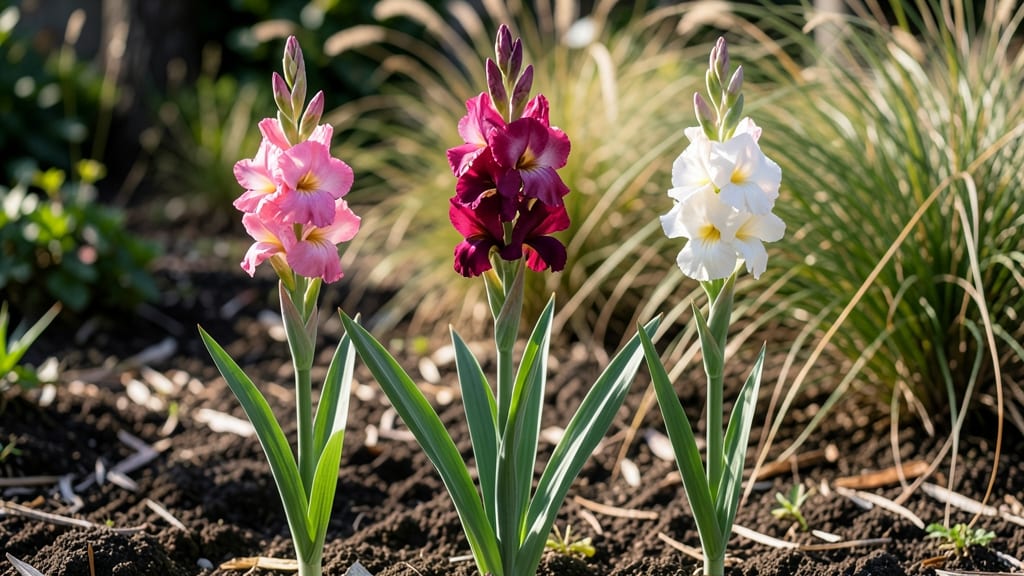
Gladiolus flowers bloom in late summer to early fall 🌸, but the exact timing depends on when you plant those corms and where you live.
Want to enjoy vibrant gladiolus blooms at their absolute peak? Timing is everything—plant too early or late, and you’ll miss their show-stopping display entirely. Here’s how climate zones dictate the exact months to expect those iconic sword-like spikes of color, so you can plan your garden like a pro.
If you’re in USDA Zone 6a (like much of the Midwest), your gladiolus will likely start blooming in mid-July and keep going until early September.
But in warmer zones like Florida or California, those flowers can appear as early as June, while cooler northern regions might see them pushing through the soil in August.
Below, I’ll break down the best planting windows, how to stretch your blooms for weeks, and the top varieties that deliver the longest, most vibrant displays—so you’re never left wondering why your garden isn’t putting on its best show.
Gladiolus bloom time by USDA climate Zone: month-by-month guide
Timing your gladiolus planting by USDA climate zone ensures those dramatic sword-like blooms appear when you crave them most. From Zone 3's late-summer bursts to Zone 11's winter-friendly displays, each region has its own bloom window.
I’ll break down the exact months to plant and expect flowers, plus how to adjust for extended flowering in your area.
Gladiolus thrive on warm soil and long daylight hours, which is why their bloom time shifts dramatically across zones. In cooler climates (Zones 3-5), you’ll see blooms in late summer, while warmer zones (7-11) can enjoy them from spring through fall.
The key is planting corms when soil hits 60°F—that’s your bloom trigger.
Frost sensitivity is critical: Gladiolus cannot tolerate temperatures below 28°F. In Zones 3-6, this means late-summer blooms before fall frost. Meanwhile, Zones 8-11 can stretch blooms into winter with succession planting. Let’s dive into the month-by-month breakdown so you can plan your garden calendar like a pro.
| USDA Zone | Planting Window | Bloom Time | Frost Risk | Extended Tips |
|---|---|---|---|---|
| Zones 3-4 | Late April - Early May | Late July - Early September | High (fall frost) | Use early varieties like 'White Friendship' |
| Zones 5-6 | Mid-May | Mid-August - Late September | Moderate (late frost) | Plant mid-season types for longer displays |
| Zones 7-8 | Early April - June | June - October | Low (mild winters) | Try late-season 'Green Gables' for fall color |
| Zones 9-10 | February - March | March - November | None (year-round growth) | Succession plant every 6 weeks for continuous blooms |
| Zone 11 | Year-round (avoid winter) | Year-round (peak spring-fall) | None | Use dwarf varieties for containers |
In Zones 3-4, your 60-day window for planting means blooms arrive just in time for late-summer gardens. I recommend White Friendship—it’s cold-tolerant and blooms reliably. For Zones 5-6, aim for mid-May planting to catch that golden August peak when other flowers fade.
Warmer climates like Zones 7-8 let you play with seasonal variety. Plant early types in April for June blooms, then follow with late-season 'Green Gables' for October color. The trick? Soil temperature—wait until it hits 60°F before planting, even in spring.
For Zones 9-11, the game changes entirely. Here, gladiolus can bloom year-round if you succession plant every 6 weeks. I’ve seen March-to-November displays in Zone 10 by staggering plantings. In Zone 11, opt for dwarf varieties like 'Picasso' to keep them manageable in containers.
Pro tip: Adjust planting depth by zone. In cooler zones, bury corms 6 inches deep for insulation. In hot zones, shallow to 4 inches to prevent rot. Mulch heavily in Zones 3-6 to protect roots from fall frosts.
One common mistake? Planting too early in warm zones. Corms rot in 60°F+ soil before they’re ready. Use a soil thermometer—plant only when temps stabilize at 60°F for 5+ days. This timing trick has extended my bloom season by 3 weeks!
For extended flowering, try deadheading spent blooms. This redirects energy to new flower spikes and can add 2-3 weeks to
How to extend gladiolus bloom time with strategic planting
Gladiolus flowers may only bloom for 2-3 weeks per planting, but with strategic timing and succession planting, you can stretch their vibrant display from early summer to fall. The secret lies in understanding soil temperature triggers and planting different varieties at staggered intervals.
I’ve learned that even a 2-week difference in planting can create a continuous cascade of color.
First, focus on soil warmth—gladiolus corms need 60°F+ soil temperatures to sprout. In cooler zones (like USDA 5-7), start with early-season varieties in late spring (May) and follow with mid-to-late season types every 3-4 weeks.
Warmer climates (Zones 8+) can plant as early as April and extend into July for fall blooms.
- 🌱 Plant corms 4-6 inches deep in well-draining soil with full sun (6+ hours daily).
- 📅 Stagger plantings every 2-3 weeks from late spring to early summer for continuous blooms.
- 🌡️ Wait until soil reaches 60°F+—use a soil thermometer to avoid cold delays.
- 🌸 Choose heat-tolerant varieties (e.g., 'Green Star' or 'White Friendship') for longer fall displays.
- ✂️ Deadhead spent blooms to redirect energy to new buds and extend flowering.
One of my biggest mistakes was planting all gladiolus corms at once—resulting in a short, intense burst of flowers followed by weeks of bare stems. Now, I space plantings in 3 batches: early (May), mid (June), and late (July).
This ensures fresh blooms appear just as the previous batch fades, creating a 6-8 week extension of color in my garden.
Don’t overlook variety selection—some gladiolus types naturally bloom longer. For example, 'Picasso' and 'Black Star' varieties often produce extra buds per spike, while 'Green Star' thrives in heat and can rebloom if given proper care.
Pair these with dwarf varieties (like 'Pygmy') for container gardens or borders, as they bloom earlier and tolerate cooler soils better.
Watering plays a critical role too. Deep watering 2-3 times per week (especially during bud formation) prevents stress that shortens bloom time. I’ve noticed that morning watering reduces fungal risks (like rust), which can cause buds to drop prematurely.
Also, mulch heavily around plants to maintain even soil moisture—this is key for consistent blooming across all your staggered plantings.
Avoid these common pitfalls: planting in shady spots, overcrowding corms, or skipping fertilizer during the growing season. I once saw a garden where gladiolus blooms lasted only 10 days because the soil was too rich in nitrogen—it prioritized foliage over flowers!
Instead, use a balanced 10-10-10 fertilizer every 4-6 weeks once spikes emerge. With these tweaks, you’ll transform a fleeting summer show into a long, lush gladiolus extravaganza that keeps your garden buzzing with color well into autumn.