
Vegetables
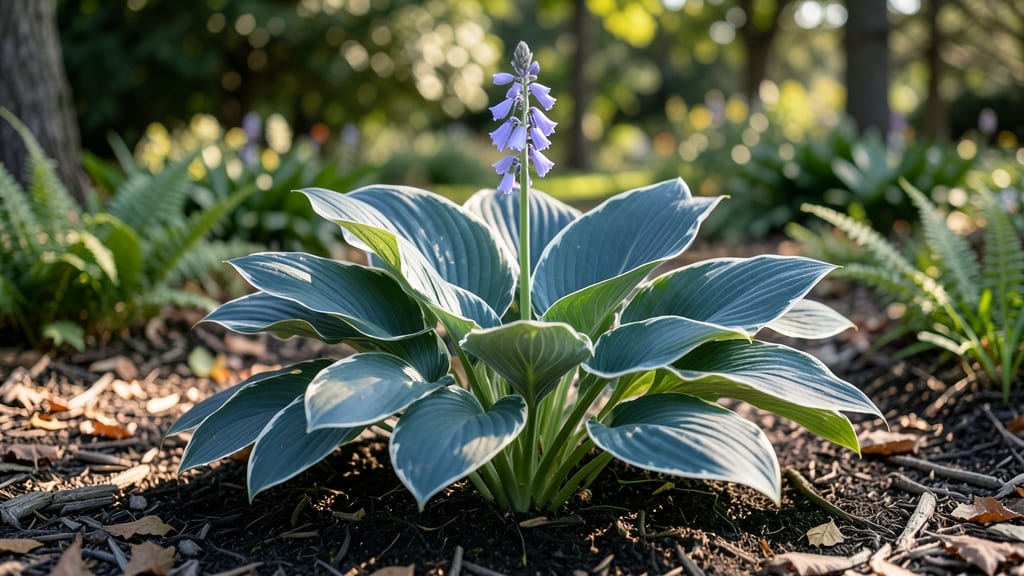
Nothing makes a garden pop like bold green-and-white foliage that steals the show year-round. 🌿 I’ll never forget the first time I planted a variegated hosta in my shady border—it transformed a dull corner into a statement piece that kept its drama through every season.
The secret isn’t just picking the right plants (like striped dracaenas or silver-and-green dusty millers) but pairing them with the right neighbors. A mix of textures—think glossy leaves against matte—creates depth, while complementary blooms (like soft pinks or purples) tie everything together without competing.
By spring, your plants will return even more vibrant, with crisp white stripes standing out against fresh green. The key is consistent moisture and occasional pruning to encourage dense growth—no fancy tricks, just good care. Works in containers, borders, or even as a dramatic focal point.
Let’s make your garden the envy of the block!
📚 In This Guide
- What you need
- Instructions
- Tips and common mistakes
- Wrapping up and next steps
What you need
- ● Green & White Foliage Plants: Choose from varieties like Variegated Swiss Chard (Bright Lights), Silver Queen Kale, Ghost Pepper (ornamental), or White Veined Dusty Miller. Quantity: 3–5 plants (for a small garden) or 10+ (for borders/beds).
- ● Well-Draining Soil: Mix 1 part potting soil with 1 part compost and 1 part perlite/sand (for containers or in-ground planting). Quantity: Enough to fill raised beds or pots (1–2 cubic feet per plant).
- ● Organic Fertilizer: A balanced 10-10-10 or fish emulsion (for nutrient boost). Quantity: 1–2 tbsp per plant, every 4–6 weeks.
- ● Mulch: Straw or shredded bark to retain moisture and suppress weeds. Quantity: 2–3 inches, spread evenly.
- ● Garden Tools: Trowel or hand shovel
- ● Pruning shears (for trimming dead leaves)
- ● Gloves (to protect your hands)
- ○ Containers (Optional): Fabric pots or ceramic containers (8–12 inches deep) if planting in urban spaces. Quantity: 1 per plant.
- ● Watering Can or Hose: With a gentle spray nozzle for even moisture.
- ● Sunlight Check: Ensure your garden gets 4–6 hours of sunlight daily (partial shade works for some varieties like Dusty Miller).
- ○ Pest Control (Optional): Neem oil or insecticidal soap (for aphids or caterpillars).
- ● 🌡️ Temperature: Most variegated foliage thrives in 50–75°F—protect from frost with row covers if needed.
- ● ✨ Color Boost: Prune outer leaves regularly to encourage new, vibrant growth and maintain that striking contrast!
How to design a stunning green and white foliage garden
Here's how to create a garden that pops with contrast and keeps its beauty season after season.
🌱 Step 1: Choose the Right Variegated Plants for Your Climate
Start with plants that thrive in your hardiness zone. Variegated foliage like Hosta 'Francee', Dracaena marginata 'Colorama', or Calathea orbifolia bring striking green-and-white patterns. I always check the plant tags for sun requirements—some, like Hosta, prefer shade, while others, like Dracaena, tolerate bright indirect light.
Look for plants with bold white veining or edging—these create the most dramatic contrast. If you're unsure, start with a few tried-and-true varieties like Pothos 'Marble Queen' or Snake Plant 'Golden Hahnii'. These are forgiving and adaptable, perfect for beginners.
🪴 Step 2: Plan Your Layout for Maximum Visual Impact
Place taller plants toward the back or center of your garden bed to create a focal point. I like to group 3-5 plants of the same variety together—this repetition makes the pattern pop. For example, a cluster of Hosta 'Francee' surrounded by Heuchera 'Silver Scroll' adds texture and movement.
Add trailing plants like Sweet Potato Vine or Creeping Jenny along edges or in hanging baskets to soften the look and draw the eye. Space them 6-12 inches apart so their leaves cascade naturally without overcrowding. This creates a layered effect that feels lush and intentional.
☀️ Step 3: Provide the Right Light and Water Conditions
Most variegated foliage plants prefer bright, indirect light—think morning sun or dappled shade. Too much direct sun can scorch white leaves, while too little light causes the green to dominate and the variegation to fade. I test light conditions by placing a plant in a spot for a week and watching how the leaves respond.
Water when the top inch of soil feels dry. Variegated plants often have less chlorophyll, so they can't photosynthesize as efficiently and may need slightly more moisture. However, soggy soil leads to root rot, so always use pots with drainage holes or well-amended garden beds. Mulch with 2-3 inches of shredded bark to retain moisture and protect roots.
✂️ Step 4: Prune and Divide for Healthier Growth
Trim back leggy or overgrown stems in early spring to encourage bushier growth. I use clean, sharp pruners to snip just above a leaf node—this prevents disease and promotes new shoots. For plants like Hosta, I also remove any leaves that turn brown or yellow to keep the garden looking fresh.
Divide clumps every 3-4 years in early spring or fall. Dig up the plant, separate the roots gently with your hands, and replant the strongest sections. This rejuvenates the plant and gives you free material to share or expand your garden. Just make sure each division has at least 3-5 healthy leaves to recover quickly.
🌿 Step 5: Protect and Maintain Year-Round Beauty
In winter, mulch heavily with 4-6 inches of straw or leaves to insulate roots from freezing temperatures. Some variegated plants, like Dracaena, are tender and may need to be moved indoors or wrapped in burlap for protection. Check on them during cold snaps—wilting or browning leaves mean they’re struggling.
Fertilize lightly in spring with a balanced 10-10-10 formula to support steady growth. Too much nitrogen can make leaves grow too fast and lose their variegation. I also add a handful of compost to the soil annually to feed the plants naturally. This keeps the colors vibrant and the plants healthy without overwhelming them.
Tips & tricks for perfect green and white foliage gardens
These simple tricks will help you create a garden that stays vibrant and thrives all year long.
Plant Selection: When choosing variegated plants, look for those with at least 30-40% white variegation—the more contrast, the more dramatic your garden will look. I've found that plants like Hosta 'Francee' and Pothos 'Marble Queen' hold their color beautifully in shade, while Dracaena marginata 'Colorama' thrives in brighter light. Start with 3-5 plants of the same variety to create that impactful visual repetition mentioned in Step 2.
Light Testing: Before committing to a location, test your plants for a week to see how they respond. Place them in the spot you're considering and watch for any signs of stress—white leaves turning yellow or brown means too much direct sun, while dull green leaves indicate insufficient light. This simple test saves you from potential disappointment down the road.
Pruning Technique: When trimming leggy stems in Step 4, always cut just above a leaf node where new growth emerges. I use clean pruners and make a sharp angle cut to prevent tearing. For Hosta specifically, remove any leaves that develop brown edges—they won't recover their variegation and can spread disease to healthy foliage.
Winter Protection: The 4-6 inches of mulch mentioned in Step 5 is crucial, but don't forget to protect tender plants like Dracaena during hard freezes. I've wrapped these in burlap and placed them against a south-facing wall where they benefit from reflected sunlight. This simple technique can make the difference between survival and loss during winter cold snaps.
Pro Tips for Green And White Foliage
- These simple tricks will help you create a garden that stays vibrant and thrives all year long.
- Plant Selection: When choosing variegated plants, look for those with at least 30-40% white variegation—the more cont...
- Light Testing: Before committing to a location, test your plants for a week to see how they respond. Place them in th...
Frequently asked questions
Got questions about keeping your green and white foliage vibrant year-round? You’re not alone!
Here are answers to the most common concerns—from planting tips to troubleshooting—so you can enjoy that stunning contrast all season long.
What’s the best way to plant green-and-white foliage for maximum color?
Plant in full sun to partial shade (6+ hours of light daily for boldest variegation). Amend soil with compost for drainage, and space plants 12–18 inches apart to prevent overcrowding. Mulch with straw or shredded leaves to retain moisture and protect roots—especially in winter!
When is the ideal time to prune or divide green-and-white foliage?
Prune early spring (before new growth) to shape plants and remove dead leaves. Divide clumps in fall or early spring when soil is moist but not soggy. Avoid pruning in late summer—it stresses plants before winter. Pro tip: Sterilize tools with rubbing alcohol to prevent disease!
Why is my green-and-white foliage losing its white variegation?
Variegation fades due to too little light (plants revert to green) or nutrient imbalance (excess nitrogen). Move plants to brighter spots gradually, and fertilize lightly with a balanced 10-10-10 formula in spring. Avoid heavy shade—it dulls the contrast!
Are there low-maintenance alternatives to green-and-white foliage?
Yes! Try ‘Variegated Dusty Miller’ (silvery-gray and green) or ‘Lime Zinger’ ginger (yellow-green stripes). Both thrive in similar conditions but require less frequent pruning. For ground cover, ‘Dragon’s Wing’ begonia offers bold white-and-green foliage with minimal upkeep.
How do I protect green-and-white foliage in winter?
Most varieties are hardy to USDA Zone 5–9, but tender types (like some hostas) need mulch (4–6 inches) or a light frost cloth. Avoid heavy mulch—it can suffocate roots. In extreme cold (<20°F), wrap containers with bubble wrap or move potted plants to a sheltered spot.
Wrapping up and next steps
Embracing green and white foliage in your garden or kitchen isn’t just about aesthetics—it’s a celebration of resilience and renewal. These vibrant plants bring year-round beauty while rewarding you with fresh, nutritious harvests that thrive season after season.
Whether you’re a seasoned gardener or just starting, the key is patience and a little creativity!
Ready to level up your garden? Start small—try one new variety this spring, experiment with companion planting, or share your tips with fellow plant lovers. Every leaf you nurture today will grow back stronger tomorrow, painting your world in endless shades of green and white! 🌱✨