
Vegetables
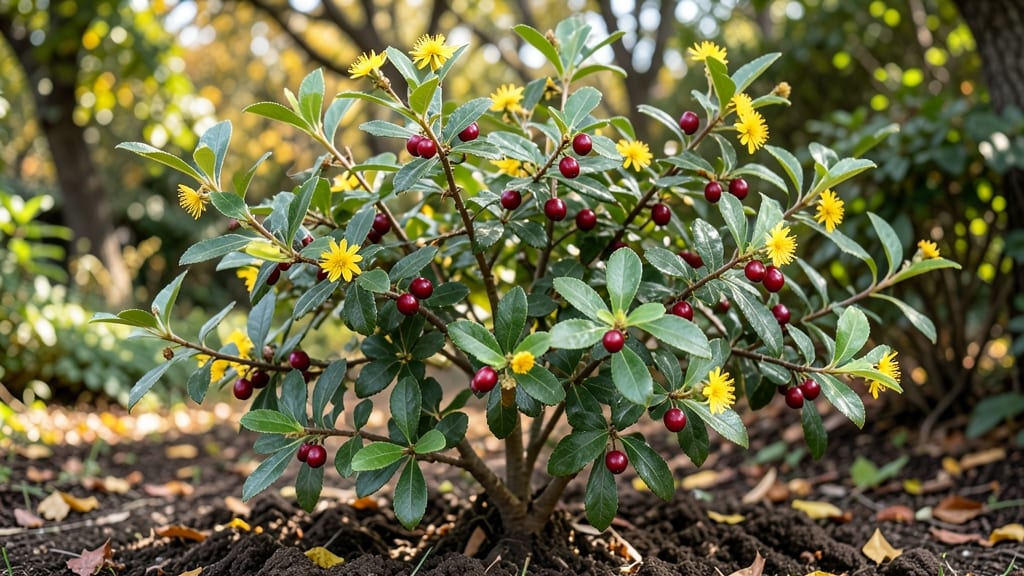
Growing a green barberry bush means year-round color and texture that outlasts winter. 🌿 The glossy, holly-like leaves stay vibrant even when temperatures drop, and the bright red berries add winter interest—no other shrub delivers this kind of frost-proof beauty with so little effort.
This bush thrives in partial shade to full sun and tolerates almost any soil, making it perfect for beginners or busy gardeners. Plant it in spring or fall when roots can establish before extreme weather hits, and space them 3-5 feet apart for full foliage impact.
Once established, it’s nearly drought-tolerant and handles pruning like a pro—just trim back leggy growth in early spring to encourage dense, bushy growth. The berries are edible (though tart!) and attract birds, adding another layer of garden value.
Whether you want a low-maintenance hedge, a winter-interest shrub, or a pollinator-friendly addition, this plant delivers. Here’s how to get the most out of yours!
📚 In This Guide
- What you need
- Instructions
- Tips and common mistakes
- Wrapping up and next steps
What you need
- ● Green barberry plants: 3–5 healthy nursery-grown Berberis vulgaris (green barberry) plants (choose hardy cultivars like 'Atropurpurea' or 'Rose Glow' for vibrant foliage).
- ● Well-draining soil: 5–10 bags of organic compost or potting mix (amend with perlite or sand if your soil is heavy).
- ● Mulch: 2–3 cubic feet of wood chips or straw to retain moisture and regulate temperature.
- ● Fertilizer: 1 lb of balanced 10-10-10 or slow-release organic fertilizer (apply in early spring).
- ● Watering can or hose: With a gentle spray nozzle for even hydration.
- ● Pruning shears: Sharp, sterilized shears (for shaping and harvesting).
- ● Gloves: Heavy-duty gardening gloves (barberry thorns are sharp!).
- ● Soil pH test kit: To ensure optimal acidity (ideal range: 6.0–7.0).
- ● Trellis or support stakes: For larger varieties (e.g., 'Constance' barberry).
- ● Drip irrigation system: For automated watering (great for drought-prone areas).
- ● Organic pest control: Neem oil or insecticidal soap (to deter aphids or spider mites).
- ● Harvesting basket: A breathable mesh bag to collect leaves/berries without crushing.
Step-by-Step instructions for planting and cultivating green barberry bushes
Here's how to establish these hardy shrubs for lush foliage and seasonal berries that thrive even in tough climates.
🌱 Step 1: Select and Prepare the Planting Site
Green barberry bushes thrive in full sun to partial shade, with at least 6 hours of direct sunlight daily. Choose a location with well-draining soil—they hate soggy roots. I always test drainage by digging a 12-inch deep hole and filling it with water; if it drains in under an hour, the site is perfect.
Amend heavy clay soil with 2-3 inches of compost mixed into the top 12 inches of soil. The goal is loose, crumbly soil that lets roots expand easily. Avoid low-lying areas where cold air settles, as barberry handles frost but prefers good airflow to prevent fungal issues.
🪴 Step 2: Plant Bare-Root or Container-Grown Barberry
For bare-root plants, soak the roots in lukewarm water for 1-2 hours before planting to revive them. Dig a hole twice as wide as the root ball but only as deep—the top of the root ball should sit 1 inch above ground level to prevent rot. This ensures proper drainage while maintaining stability.
If using container-grown plants, remove it carefully and loosen any circling roots. Place the plant in the hole, backfill with native soil mixed with 1 part compost, and water deeply to settle everything. Mulch with 2-3 inches of shredded bark around the base, keeping it 3 inches away from the stem to prevent moisture buildup.
☀️ Step 3: Establish Watering and Fertilization Routine
Water deeply once a week for the first 2 months to encourage deep root growth. You'll know you're doing it right when the soil 6 inches down stays moist but not soggy. After establishment, barberry is drought-tolerant but will produce better berries with consistent moisture during dry spells.
Fertilize once in early spring with a balanced 10-10-10 fertilizer at half-strength. I avoid high-nitrogen fertilizers—they encourage leafy growth at the expense of berry production. Spread granules 6 inches from the stem and water immediately to activate them. No additional feeding is needed unless the soil is particularly poor.
✂️ Step 4: Prune for Shape and Health
Prune immediately after flowering (late spring) to shape the bush and remove any dead or crossing branches. Barberry handles pruning well, so you can be bold—cut back one-third of the oldest stems to the ground each year to encourage new growth. This keeps the bush compact and prevents woody centers.
Watch for powdery mildew on leaves, especially in humid climates. If you spot white fungal growth, prune affected branches immediately and apply neem oil spray as a preventative. I always sterilize pruners with rubbing alcohol between cuts to prevent spreading disease from one branch to another.
⏰ Step 5: Prepare for Winter and Year-Round Care
Green barberry is extremely cold-hardy, surviving down to -30°F, but young plants benefit from 2-3 inches of mulch around the base in winter. This protects roots from extreme temperature swings. I never cover the bush itself—just the root zone—to prevent moisture buildup that could cause rot.
Harvest berries in late summer to fall when they turn deep red. They're not edible for humans but make excellent bird feeders. Remove spent berries to encourage more production. In early spring, rake away old mulch and replace it with fresh to maintain soil health and prevent thatch buildup.
Tips & tricks for perfect green barberry bush cultivation
These hard-won insights will help you grow a thriving green barberry bush that delivers year-round beauty and resilience.
Soil Preparation Secret: Beyond the 2-3 inches of compost mentioned in Step 1, I recommend adding a handful of perlite or coarse sand to heavy clay soils. This creates tiny air pockets that prevent compaction, which is crucial for root health. Think of it as giving your barberry's roots room to breathe—especially important in the first growing season when roots are establishing themselves.
Planting Depth Precision: The 1-inch elevation above ground level in Step 2 is critical for preventing rot, but here's what I've learned: If your soil is particularly dense, you can gently mound native soil around the root ball to achieve this elevation without digging deeper. This maintains proper drainage while keeping the plant stable during windy conditions. A small trick that makes a big difference in storm-prone areas.
Watering Technique: When establishing your barberry's watering routine in Step 3, I've found that using a soaker hose set to deliver water slowly at the base for 20-30 minutes works better than quick watering. This mimics natural rainfall patterns and encourages deep root development. The goal is to wet the soil to that 6-inch depth consistently without creating surface puddles that can lead to fungal issues.
Pruning Timing Strategy: While pruning immediately after flowering in Step 4 is ideal, I've discovered that barberry bushes actually tolerate a slightly wider window. If you miss the perfect post-flowering moment, you can safely prune up to two weeks later without significantly affecting berry production. The key is to always prune before new growth begins—this gives the plant time to heal before the next growing season starts.
Pro Tips for Green Barberry Bush
- These hard-won insights will help you grow a thriving green barberry bush that delivers year-round beauty and resilience.
- Soil Preparation Secret: Beyond the 2-3 inches of compost mentioned in Step 1, I recommend adding a handful of perlite or coarse sand to heavy clay soils.
- This maintains proper drainage while keeping the plant stable during windy conditions.
Frequently asked questions
When is the best time to plant a green barberry bush?
The ideal time to plant is in early spring or fall, when soil temperatures are cool but not frozen. This gives roots time to establish before extreme heat or cold. Avoid planting in summer—young plants struggle with drought stress and heat waves. If you must plant in late fall, do so at least 6 weeks before the first frost!
How do I keep my green barberry bush from losing its vibrant color?
Green barberry bushes thrive in full sun to partial shade (6+ hours of sunlight daily). Poor drainage or overly rich soil can dull foliage, so amend clay soil with compost and ensure well-draining conditions. Prune in late winter to remove dead or overcrowded branches—this encourages fresh, colorful growth. Pro tip: A light fertilizer in early spring keeps leaves lush!
Can green barberry bushes survive harsh winters?
These bushes are highly frost-resistant and tolerate temperatures down to -20°F (-29°C). However, young plants may need winter mulch (2–3 inches of straw or shredded leaves) for extra protection. Avoid heavy snow buildup—gently brush it off branches to prevent breakage. Their evergreen leaves also provide year-round interest!
What pests or diseases should I watch for?
Green barberry bushes are generally low-maintenance, but watch for spider mites (dry conditions) or scale insects (sticky leaves). Treat with neem oil or insecticidal soap if needed. Fungal issues like powdery mildew can occur in humid climates—improve airflow by pruning and avoid overhead watering. Pro tip: Healthy plants resist pests better, so mulch and water consistently!
What are some great companion plants for green barberry?
Pair green barberry with drought-tolerant perennials like lavender, Russian sage, or ornamental grasses for a low-maintenance border. It also complements spring bulbs (daffodils, tulips) or evergreen shrubs (boxwood, holly) for year-round structure. Avoid planting near acid-loving plants (like blueberries)—barberry prefers slightly alkaline to neutral soil (pH 6.0–7.5).
Wrapping up and next steps
Growing a green barberry bush is a rewarding way to enjoy year-round harvests while adding beauty and resilience to your garden. 🌿 With its frost-resistant leaves and low-maintenance nature, this versatile plant is perfect for both beginners and seasoned gardeners.
Whether you're drawn to its edible berries, ornamental appeal, or hardy adaptability, this bush promises a bountiful and sustainable addition to your outdoor space.
Ready to get started? Plant your green barberry bush this season and watch it thrive with minimal effort. Share your progress or tips with fellow gardeners—your journey could inspire others!