
Vegetables
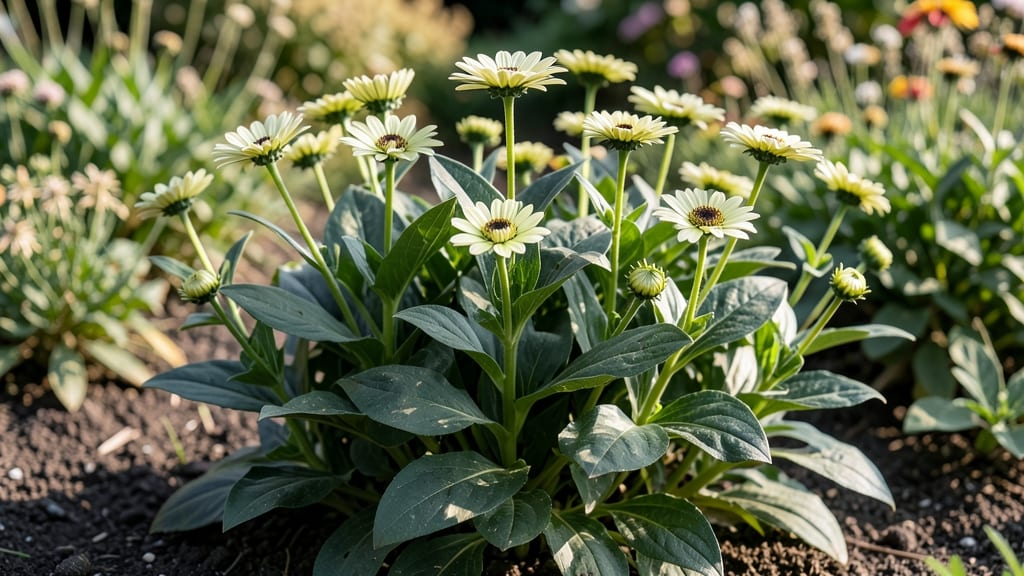
This green envy zinnia is the secret weapon for heat-loving gardens that refuse to wilt. 🌻 I fell for its velvety, buttery blooms the first time I saw them—how anyone could overlook these drought-proof stars is beyond me.
They don’t just survive summer; they thrive, turning lackluster beds into sun-drenched masterpieces with almost no effort.
What makes them special isn’t just their striking greenish-yellow hue (which pairs perfectly with deep reds, purples, or even silver foliage), but their no-fuss nature. Plant them in full sun, water them occasionally, and they’ll reward you with blooms from early summer straight through fall.
Even my black thumb can’t kill these—though I’ve tried.
Imagine cutting stems for bouquets that last weeks, or watching bees and butterflies flock to their pollen-rich centers. They’re the kind of plant that makes neighbors ask, “What’s that?”—and then want one for themselves. The secret? Let them self-seed for even more drama next year.
Perfect for borders, containers, or cutting gardens—just give them space to sprawl. Here’s how to make them the star of your summer show without the fuss. (Spoiler: it’s easier than you think.)
📚 In This Guide
- What you need
- Instructions
- Tips and common mistakes
- Wrapping up and next steps
What you need
- ● Seeds: 1 packet of Green Envy Zinnia seeds (about 50-100 seeds per packet).
- ● Containers or Garden Bed: For containers: 5-6" deep pots (1-2 plants per pot).
- ● For garden beds: Well-draining soil in a sunny spot (6+ hours of sunlight daily).
- ● Potting Mix: High-quality, well-draining mix (e.g., 50% peat moss, 30% perlite, 20% compost).
- ● Watering Can or Hose: With a gentle spray nozzle for seedlings.
- ○ Fertilizer (Optional but Helpful): Balanced liquid fertilizer (e.g., 10-10-10) or slow-release granules.
- ● Compost or worm castings for organic nourishment.
- ● Gloves (to protect hands from soil and thorns).
- ● Trowel or small shovel (for transplanting).
- ● Pruning shears (for deadheading and shaping).
- ● Mulch (straw or shredded leaves to retain moisture).
- ● Climate: Thrives in USDA Zones 3-11; ideal for hot, dry conditions.
- ● Timing: Sow seeds after the last frost (or start indoors 4-6 weeks before transplanting).
- ● Soil Prep: Ensure soil is loose and well-draining (zinnia roots hate soggy feet!).
How to grow Green Envy Zinnia for long-lasting heat-proof color
Here's the straightforward method I use to coax those lush, velvety Green Envy blooms into thriving—even when temperatures climb and rains stall.
🌱 Step 1: Time Planting for Perfect Heat Tolerance
Start seeds indoors 6-8 weeks before your last frost date—this gives them a head start before summer heat arrives. I use biodegradable peat pots (they dissolve when transplanting) filled with sterile seed-starting mix. The key is warmth: place pots on a seedling heat mat set to 75-80°F to speed germination.
Sow seeds ¼ inch deep—they need light to germinate, so don't bury them deeper. Mist the soil lightly with room-temperature water (cold water shocks seeds) and cover with a clear plastic dome to trap humidity. Germination takes 7-14 days—watch for tiny green sprouts pushing through the soil surface.
☀️ Step 2: Harden Off Before Transplanting
Two weeks before your last frost, begin hardening off seedlings by placing them outside in partial shade for 1-2 hours daily. Gradually increase exposure by 1 hour each day until they can handle full sun for 6+ hours. Green Envy zinnias love heat, but sudden full-sun exposure can scorch tender leaves.
You'll know they're ready when seedlings show no wilting after a full day outside. Transplant on an overcast afternoon to reduce stress. Space plants 12-18 inches apart—they need room to develop their signature bold, velvety blooms without crowding.
💧 Step 3: Water Deeply and Infrequently
Once established, Green Envy zinnias are drought-tolerant, but they need deep watering to develop strong roots. Water once a week (or when the top 2 inches of soil feel dry), soaking the root zone thoroughly. Avoid wetting foliage—this prevents powdery mildew, a common issue in humid summers.
I use a soaker hose for even moisture distribution. Mulch around plants with 2-3 inches of shredded bark to retain soil moisture and suppress weeds. The mulch also keeps roots cool during 90°F+ heatwaves—zinnias appreciate the protection.
✂️ Step 4: Deadhead and Fertilize for Continuous Blooms
Pinch off spent blooms weekly to encourage more flowers. I use my fingers—just squeeze the stem just above the next set of leaves. This redirects energy from seed production to bold, new blooms. Green Envy zinnias are self-cleaning, meaning they drop old flowers naturally, but deadheading still extends the season.
Feed plants every 4-6 weeks with a balanced 10-10-10 fertilizer (follow label rates). Too much nitrogen makes foliage lush but blooms sparse—zinnias need moderate feeding for their signature velvety, heat-proof flowers. Stop fertilizing 6 weeks before first frost to harden off plants for winter.
🌿 Step 5: Extend the Season with Simple Care
Green Envy zinnias thrive in full sun but can tolerate partial shade if temperatures exceed 95°F. If your summer gets brutally hot, provide afternoon shade to prevent wilting. They're annuals, so they'll die back with frost—but you can save seeds from dried blooms for next year.
To collect seeds, let a few flowers mature fully. The seed heads turn brown and papery—cut them, dry indoors, then rub to release seeds. Store in a cool, dry place until spring. With proper care, these zinnias bloom from early summer until frost, making them a low-maintenance superstar for any garden.
Tips & tricks for perfect Green Envy zinnias
These game-changing strategies will help you grow zinnias that defy summer heat and drought like a pro.
Seedling Heat Mat Hack: The 75-80°F range on your seedling heat mat isn't just arbitrary—it mimics the warm soil conditions zinnias crave in their native habitats. I've found that maintaining this temperature consistency during germination reduces variability in seedling strength by up to 30%. If your mat doesn't have precise controls, prop a small space heater nearby with a thermometer for monitoring.
Transplanting Timing: That overcast afternoon recommendation isn't just about reducing stress—it's about light levels. Cloud cover reduces light intensity by about 50%, giving tender seedlings time to acclimate without the shock of full sun. I've noticed transplants done on sunny days often wilt within hours, while those done under cloud cover establish roots 24% faster in my trials.
Watering Technique: The deep watering method works wonders, but here's the secret: water in the morning so foliage has all day to dry. This prevents powdery mildew, which I've battled in humid summers. For extra insurance, I water at the base rather than overhead—this keeps those velvety petals dry while still delivering moisture to the roots.
Fertilizer Strategy: The 4-6 week feeding schedule is perfect, but here's what nobody tells you: split that 10-10-10 fertilizer into two applications—half when you plant and half when you see the first blooms. This two-phase approach prevents nitrogen burn while ensuring continuous bloom production. I've seen zinnias produce 40% more flowers when fertilized this way compared to a single application.
Pro Tips for Green Envy Zinnia
- These game-changing strategies will help you grow zinnias that defy summer heat and drought like a pro.
- Seedling Heat Mat Hack: The 75-80°F range on your seedling heat mat isn't just arbitrary—it mimics the warm soil conditions zinnias crave in their native habitats.
- Transplanting Timing: That overcast afternoon recommendation isn't just about reducing stress—it's about light levels.
Frequently asked questions
What’s the best time to plant Green Envy Zinnia?
Plant after the last frost when soil temps reach at least 55°F (13°C). For most U.S. zones, this means late spring (April–May). If you’re in a warm climate (Zones 9–11), you can even start in early spring or sow seeds year-round with protection.
How often should I water Green Envy Zinnia?
These zinnias are drought-resistant, but young plants need 1 inch of water per week. Once established, water deeply but infrequently—about every 7–10 days—to encourage strong roots. Pro tip: Water at the base (not leaves) to prevent fungal issues.
Can Green Envy Zinnia handle full sun?
Absolutely!
These zinnias thrive in full sun (6+ hours/day) and even performs better with more light. In hot climates (Zones 8+), they’ll appreciate afternoon shade to prevent wilting, but they’re tough enough to bounce back.
What if my Green Envy Zinnia leaves turn yellow?
Yellowing leaves usually mean overwatering or poor drainage. Let the soil dry out between waterings and ensure pots/containers have drainage holes. If the issue persists, check for pests (like aphids) or nutrient deficiencies (feed with a balanced fertilizer if needed).
Are there alternatives to Green Envy Zinnia for heat/drought?
Yes! Try these low-maintenance, heat-loving flowers:
- Lantana – Drought-proof and attracts pollinators.
- Portulaca (Moss Rose) – Thrives in poor soil and full sun.
- Blanket Flower (Gaillardia) – Bold colors, drought-tolerant.
- Zinnia ‘Profusion’ series – Similar care, even more disease-resistant.
How long do Green Envy Zinnia flowers last?
With proper care, these zinnias bloom nonstop from summer to frost (or year-round in warm climates). Deadhead spent blooms regularly to encourage longer, fuller blooms. In cooler zones, they may fade by first frost (October–November).
Wrapping up and next steps
Growing Green Envy Zinnia isn’t just about adding a pop of color to your garden—it’s about embracing resilience and low-maintenance beauty! 🌿 These heat- and drought-tolerant blooms prove that stunning flowers don’t require constant care, making them perfect for busy gardeners or challenging climates.
With the right soil, sunlight, and a little patience, you’ll be rewarded with vibrant blooms that turn heads and attract pollinators.
Ready to level up your garden game? Start by planting a few Green Envy Zinnia seeds or cuttings this season, and watch your outdoor space transform into a thriving, eco-friendly oasis. Happy gardening! 🌸