
Vegetables
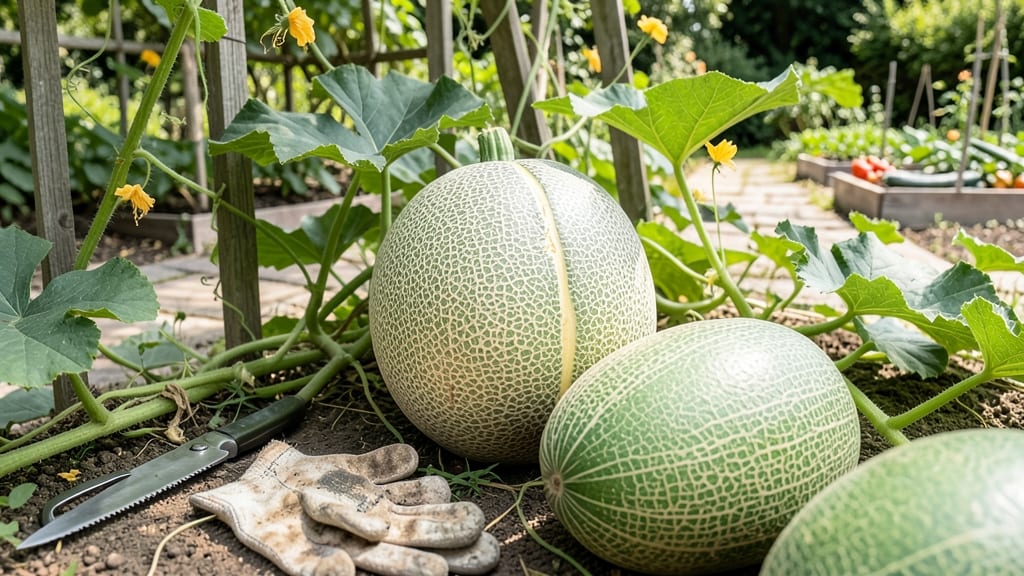
Growing green-fleshed cantaloupe means harvesting a sweeter, more aromatic fruit than the orange varieties most gardeners know. 🌱 I’ve grown these melons for years, and they’re the secret weapon for gardeners who want something different—and delicious—without the fuss of heirloom varieties.
The key? Mimicking their natural tropical environment while keeping care simple enough for a first-time melon grower.
These melons thrive with warm soil temperatures (70°F or higher) and full sun (at least 8 hours daily), but they’re surprisingly low-maintenance once established. Start seeds indoors 4-6 weeks before your last frost, then transplant seedlings after all danger of frost has passed.
The real magic happens when you let them sprawl—these vines can stretch 6-10 feet, so plan for space or trellising if you’re working with limited room.
You’ll know they’re ready to harvest when the stem slips easily from the vine and the fruit smells intensely sweet near the blossom end. Unlike their orange cousins, green-fleshed cantaloupes ripen evenly and store well for up to 2 weeks in a cool, dry place.
The flavor? A perfect balance of honey and citrus, with a texture that’s juicy but firm—ideal for fresh eating, smoothies, or even grilling.
Watch for cucumber beetles and powdery mildew, which love these melons, but a row cover early on and good airflow keep problems minimal.
If you’ve ever struggled with mushy or bland cantaloupes, this variety changes the game—70 days from seed to harvest, and every bite tastes like summer in a rind.
📚 In This Guide
- What you need
- Instructions
- Tips and common mistakes
- Wrapping up and next steps
What you need
- ● Seeds: 5–10 high-quality green-fleshed cantaloupe seeds (e.g., 'Hale’s Best Green Flesh' or 'Minnesota Midget').
- ● Growing Containers or Garden Space: Direct Sowing: 1–2 sq ft per plant, with well-draining soil (pH 6.0–6.8).
- ● Container Growing: 5-gallon pots (minimum) with drainage holes.
- ● Soil: 3–5 lbs of compost-rich, loamy soil (or potting mix for containers).
- ● Fertilizer: Balanced 10-10-10 fertilizer (1 tbsp per plant at planting).
- ● Organic options: Composted manure or worm castings.
- ● Watering Supplies: Watering can or hose with a gentle spray nozzle (1–2 gallons per plant, 2x daily in hot weather).
- ○ Mulch: Straw or black plastic mulch (optional, to retain moisture and suppress weeds).
- ● Hand Trowel (for transplanting or loosening soil).
- ● Garden Gloves (to protect hands while handling soil/seeds).
- ○ Trellis or Cage (optional, for vining varieties—3–4 ft tall).
- ● Pruning Shears (to remove dead leaves or excess vines).
- ○ pH Test Kit (optional, to monitor soil acidity).
- ○ Row Cover or Shade Cloth (optional, for early seedlings or hot climates).
Step-by-Step instructions for growing green-fleshed cantaloupe
Here's how to cultivate these unique, honey-sweet melons with vibrant green flesh—every step designed for success.
🌱 Step 1: Start Seeds Indoors 4-6 Weeks Before Last Frost
Fill 2-3 inch deep seedling trays with sterile seed-starting mix and sow seeds ½ inch deep. Green-fleshed cantaloupes germinate best at 80-85°F, so use a seedling heat mat if your home stays cooler. Keep the soil consistently moist but never soggy—you'll see sprouts in 5-10 days.
Once seedlings emerge, move them to a sunny windowsill or under grow lights providing 14+ hours of light daily. Watch for the first true leaves (the second set after the initial seed leaves) before transplanting. These melons grow fast, so don't delay starting seeds—you'll need strong plants to beat powdery mildew, which loves crowded vines.
☀️ Step 2: Harden Off and Transplant After All Frost Risk Passes
Two weeks before your last frost date, begin hardening off seedlings by placing them outside in partial shade for 2-3 hours daily. Gradually increase exposure over 7-10 days, ending with full sun. Green-fleshed cantaloupes need full sun (8+ hours daily) and warm soil to thrive—wait until soil temperatures reach 70°F before transplanting.
Choose a location with well-draining soil and space vines 3-4 feet apart in all directions. These melons sprawl aggressively, so plan for trellising if space is limited. Bury the stem slightly deeper than in the seedling tray to encourage stronger root development. Water deeply at transplanting to reduce shock.
💧 Step 3: Maintain Consistent Water and Fertility
Water melons 1-2 inches per week, keeping soil evenly moist but never waterlogged. Green-fleshed varieties are more prone to cracking than orange-fleshed types, so mulch heavily with straw to maintain steady moisture. Fertilize lightly with a balanced organic fertilizer (10-10-10) at planting and again when vines begin running, then switch to a low-nitrogen formula (5-10-10) when flowers appear.
Watch for powdery mildew on leaves—this is the biggest threat to green-fleshed cantaloupes. At the first sign of white powder, spray leaves with a mixture of 1 tablespoon baking soda + 1 quart water + a drop of dish soap. Prune lower leaves to improve airflow and reduce humidity around the plant canopy.
⏰ Step 4: Monitor Flowering and Fruit Development
Male flowers appear first, followed by female flowers (identifiable by tiny melons at their base) about 2-3 weeks later. Hand-pollinate by gently brushing flowers with a small paintbrush in the morning to ensure fruit set. Green-fleshed cantaloupes take 70 days to maturity, so remove any small, underdeveloped fruits to direct energy toward fewer, larger melons.
Once fruit reaches 3-4 inches in diameter, reduce watering slightly to concentrate sugars. The rind will turn from green to cream-colored when ripe, and the stem will slip easily from the vine. Harvest in the morning when temperatures are coolest to preserve sweetness. These melons don't ripen further after picking, so time your harvest carefully.
🌿 Step 5: Extend the Season with Succession Planting
For a continuous harvest, sow a second batch of seeds 2-3 weeks after the first planting, using black plastic mulch to warm the soil faster. Green-fleshed cantaloupes thrive in warm climates but can be grown in cooler zones by using row covers early in the season. Choose disease-resistant varieties like 'Hale's Best Green Flesh' or 'Athena' for better yields in challenging conditions.
After harvest, remove all vine debris and rotate planting locations next year to prevent soil-borne diseases. These melons are biennial, so save seeds from your best fruits for next season's crop. The green flesh stays fresher longer than orange varieties, making it ideal for salads, smoothies, or fresh eating straight from the vine.
Tips & tricks for cultivating green-fleshed cantaloupe
Here's what nobody tells you about growing these vibrant melons—lessons I learned after watching three batches struggle with powdery mildew.
Germination Temperature: Those 80-85°F soil temps in Step 1 aren't just ideal—they're critical. I've seen seeds fail to sprout when temps dropped below 75°F during germination. Use a seedling heat mat if your home stays cooler, and avoid cold drafts near your seed trays. The difference between 75°F and 80°F can mean the difference between 50% and 100% germination rates—trust me on this.
Harden Off Gradually: The 2-3 hours daily hardening off in Step 2 is non-negotiable, but the key is gradual exposure. Start with just 1 hour on day one, then add 30 minutes each day. I made the mistake of jumping straight to 3 hours too soon, and my seedlings got sunburned. Watch for wilting—if leaves look droopy, they're getting too much sun too fast. This gradual approach also helps prevent transplant shock later.
Soil Temperature Matters: Don't just check air temps before transplanting—soil temperature is what really counts. Use a soil thermometer to confirm 70°F before planting. Cold soil slows root growth and makes plants more susceptible to disease. If your soil is too cool, use black plastic mulch to warm it up 2-3 weeks before transplanting. I've had cantaloupes take twice as long to establish when planted in cold soil, and that delays fruit production significantly.
Powdery Mildew Prevention: The baking soda spray in Step 3 is your first line of defense, but prevention starts earlier. Space those vines 3-4 feet apart as instructed—crowded plants create the perfect humid microclimate for mildew. Also, avoid overhead watering once flowers appear. Water at the base instead, and always water in the morning so leaves have time to dry. I lost an entire plant to mildew because I watered in the evening and didn't notice the early signs until it was too late.
Pro Tips for Green Fleshed Cantaloupe
- Here's what nobody tells you about growing these vibrant melons—lessons I learned after watching three batches strugg...
- Germination Temperature: Those 80-85°F soil temps in Step 1 aren't just ideal—they're critical. I've seen seeds fail ...
- Harden Off Gradually: The 2-3 hours daily hardening off in Step 2 is non-negotiable, but the key is gradual exposure....
Frequently asked questions
Got questions about growing or enjoying green-fleshed cantaloupe?
You’re not alone! Here are answers to the most common queries—from curious gardeners to home cooks looking for a twist on classic cantaloupe.
What’s the difference between green-fleshed and orange cantaloupe?
Green-fleshed cantaloupe (like Musk Oxie or Honey Dew varieties) has a milder, sweeter flavor with a crisp, almost honey-like texture. Orange cantaloupe is richer and more aromatic, while green-fleshed types are often less seedy and have a delicate, almost cucumber-like bite. Perfect for those who prefer a lighter, refreshing profile!
How do I know when green-fleshed cantaloupe is ripe?
Look for these cues: 1) The rind should turn from dull green to a creamy yellow or tan (even if the flesh is green!). 2) The blossom end (opposite the stem) should soften slightly and give under gentle pressure. 3) A sweet, musky scent at the stem. Avoid picking too early—green-fleshed types need full maturity for peak sweetness!
Can I substitute green-fleshed cantaloupe in recipes that call for orange?
Swap them 1:1 in salads, smoothies, or desserts, but expect a lighter flavor and texture. Green-fleshed cantaloupe shines in cold soups, fruit salads, or as a refreshing snack on its own. For baked goods, orange cantaloupe holds up better—green-fleshed can get watery when cooked.
Why are my cantaloupe vines wilting or covered in bugs?
Common culprits:
- Squash vine borers: Look for sawdust-like frass or chewed stems. Fix: Remove affected vines and wrap young stems with aluminum foil to deter larvae.
- Powdery mildew: White dust on leaves? Fix: Space plants for airflow, water at the base, and spray with neem oil.
- Overwatering: Wilting? Let soil dry slightly between waterings—cantaloupes hate soggy roots!
Rotate crops yearly to break pest cycles.
How should I store green-fleshed cantaloupe to keep it fresh?
Store unripe cantaloupe at room temperature (like bananas!) to ripen. Once ripe, refrigerate whole for up to 5 days or cut fruit for 3–4 days. For longer storage, freeze cubed flesh (great for smoothies!) or pickle slices. Avoid washing until ready to eat—moisture speeds spoilage.
Pro Tip:
Want to boost sweetness? Plant cantaloupe near radishes or nasturtiums—they deter pests and may enhance flavor. And if birds are snacking on your blossoms, try row covers early in the season!
Wrapping up and next steps
Growing green-fleshed cantaloupe is a rewarding journey that brings vibrant flavor and nutritional benefits right to your table in just 70 days! With the right soil, sunlight, and care, you’ll unlock a unique, refreshing twist on classic cantaloupe—packed with vitamins and a crisp, honey-like sweetness.
Whether you’re a seasoned gardener or a beginner, this guide makes it simple to cultivate a thriving harvest.
Ready to taste the fruits of your labor? Start by planting your seeds this season—your future self (and taste buds!) will thank you. 🌱🍉