
Vegetables
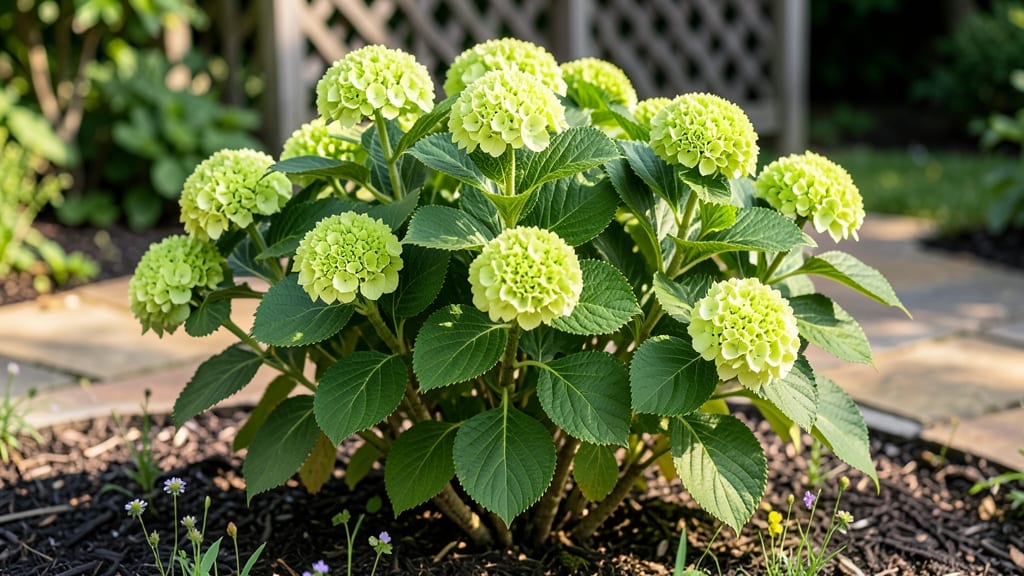
Green flowered hydrangeas bring lush, velvety texture to gardens year-round—no pruning drama required. 🌿 I fell for them when I realized they’re the unsung heroes of shade gardens, offering bold foliage that never fades like seasonal blooms.
Their deep green blooms stay striking from spring through frost, making them the perfect low-maintenance statement plant. They thrive in partial shade, where most flowers struggle, and their mop-like shape creates natural privacy or softens hard lines in your landscape.
Pair them with heuchera for a pop of purple or hostas for a lush, layered look. Containers? Absolutely—they’ll spill over edges like a living waterfall. What you end up with is a garden that feels alive even when other plants are dormant.
The blooms hold their color through rain and heat, and their size (3-5 feet) makes them ideal for borders, focal points, or even as a standalone specimen. No deadheading, no fuss—just reliable, jewel-toned drama. Works in urban courtyards, woodland gardens, or modern landscapes.
Here’s how to style them for maximum impact!
📚 In This Guide
- What you need
- Instructions
- Tips and common mistakes
- Wrapping up and next steps
What you need
- ● Green flowered hydrangea plants: 1–3 mature shrubs (or seeds/cuttings if starting from scratch). Choose Hydrangea macrophylla varieties like 'Limelight' or 'Annabelle' for reliable green blooms.
- ● Well-draining potting mix: 5–10 gallons (for containers) or amend garden soil with compost (3–5 lbs per planting hole) and perlite (1 part perlite to 3 parts soil).
- ● Balanced fertilizer: 10–10–10 or hydrangea-specific formula (1 tbsp per plant at planting time).
- ● Mulch: 2–3 inches of pine bark or shredded leaves to retain moisture and regulate soil temperature.
- ● Garden trowel or spade (for planting)
- ● Pruning shears (sterilized with rubbing alcohol)
- ● Watering can or hose with nozzle (drip irrigation ideal for containers)
- ● Gloves (to protect hands from thorns and soil)
- ○ pH test kit (optional but helpful—hydrangeas thrive in acidic soil (pH 5.2–6.0))
- ● Sunlight: Partial shade (3–6 hours of morning sun; avoid harsh afternoon rays).
- ● Water access: Consistent moisture (1–1.5 inches per week; more in containers).
- ● Space: 3–6 feet apart (depending on variety) for shrubs; larger containers (15+ gallons) for potted plants.
Step-by-step guide to cultivating lush green flowered hydrangeas
These striking plants thrive with the right balance of sun, water, and strategic pruning.
🪴 Step 1: Select the Perfect Planting Location
Green flowered hydrangeas like partial shade—think morning sun with afternoon shade or dappled light under tall trees. Too much direct sun fades their signature color, while too little shade weakens blooms. I always test a spot by placing a white sheet of paper on the ground for a full day—if it stays mostly white, the area has the right light.
Choose a location with well-draining soil—hydrangeas hate soggy roots. If your soil is heavy clay, amend it with 3-4 inches of compost mixed into the top 12 inches of soil. The plants also appreciate slightly acidic soil (pH 5.5-6.2) for vibrant foliage. Test your soil with a simple kit before planting, and adjust with sulfur if needed.
☀️ Step 2: Plant at the Right Depth and Spacing
Dig a hole twice as wide as the root ball but only as deep as the container. This prevents burying the stem, which can cause rot. Gently remove the plant from its container and loosen any circling roots with your fingers—hydrangeas resent compacted roots right out of the gate.
Place the plant so the top of the root ball sits level with the surrounding soil. Backfill with native soil mixed with compost, tamping lightly to eliminate air pockets. Space plants 4-6 feet apart—crowding leads to weak stems and fewer blooms. Water deeply immediately after planting to settle the soil and encourage root spread.
💧 Step 3: Water Consistently Without Overdoing It
Keep the soil evenly moist for the first 6-8 weeks after planting—this is when roots establish. You'll know you're on track if the top 2 inches of soil feel damp but not soggy. I use a soaker hose set to run for 20 minutes daily in dry spells, which delivers water directly to the roots without wetting leaves.
Once established, hydrangeas tolerate drought better than soggy conditions. Let the top 3 inches of soil dry out between waterings, but never to the point of wilting. Mulch with 2-3 inches of organic mulch (like shredded bark) to retain moisture and regulate soil temperature. Just keep the mulch 2 inches away from the stem to prevent rot.
✂️ Step 4: Prune Strategically for Year-Round Color
Green flowered hydrangeas bloom on old wood, so prune right after flowering—never in late winter or early spring. Remove dead or crossing branches first, cutting back to a healthy bud or lateral branch. Then, trim overly long stems to encourage bushier growth, but never cut more than 1/3 of the plant's height.
I always use clean, sharp pruners—dull blades crush stems, inviting disease. Make cuts at a 45-degree angle just above a bud that faces outward. Avoid heavy pruning unless you're rejuvenating an overgrown plant. With minimal pruning, these hydrangeas reward you with lush foliage and blooms from early summer through fall.
🌿 Step 5: Feed and Protect for Long-Term Health
Feed in early spring with a balanced, slow-release fertilizer (10-10-10) applied 6 inches away from the stem. This encourages strong root and stem growth without excessive foliage at the expense of blooms. I also add a handful of bone meal to the planting hole at planting time for extra phosphorus, which supports flowering.
Watch for aphids or powdery mildew—common pests that love hydrangeas. Spray with neem oil at the first sign of trouble, and avoid overhead watering to prevent fungal issues. In winter, mulch heavily (4-6 inches) to protect roots from freeze-thaw cycles. With this care, your green hydrangeas will thrive for years with minimal effort.
Tips & tricks for perfect green flowered hydrangeas
These simple secrets will help your green hydrangeas thrive with vibrant color and minimal effort.
Location Testing: Don't guess about light conditions—place a white sheet of paper on potential planting spots for a full day. If it stays mostly white, that area has the perfect partial shade for your hydrangeas. This simple test prevents color fading from too much sun or weak growth from insufficient light. I've seen dramatic differences in foliage color just by moving plants a few feet!
Root Preparation: When removing your hydrangea from its container, gently tease apart any circling roots with your fingers. These compacted roots can strangle new growth if left intact. The goal is to encourage outward root expansion immediately after planting. Think of it like untangling headphones—just enough to loosen without damaging the roots.
Watering Technique: The 20-minute daily soaker hose method during those critical first 6-8 weeks delivers water precisely where roots need it most. This prevents fungal issues from wet foliage while ensuring even moisture. I've found that morning watering works best—it gives roots time to absorb moisture before afternoon heat evaporates it.
Pruning Precision: Always make your pruning cuts at a 45-degree angle just above an outward-facing bud. This simple technique promotes better healing and encourages bushier growth. I keep a small notepad near my pruners to track which stems I've pruned—this helps me avoid over-trimming in subsequent years. Remember, these plants bloom on old wood, so less is always more!
Pro Tips for Green Flowered Hydrangea
- These simple secrets will help your green hydrangeas thrive with vibrant color and minimal effort.
- Location Testing: Don't guess about light conditions—place a white sheet of paper on potential planting spots for a full day.
- Root Preparation: When removing your hydrangea from its container, gently tease apart any circling roots with your fingers.
Frequently asked questions
Got questions about your green flowered hydrangea? You’re not alone! Here are some of the most common queries—plus straightforward answers to keep your plant thriving with minimal fuss.
Why are my green hydrangea blooms turning brown?
Brown edges on green flowered hydrangea blooms usually mean too much sun or underwatering. These varieties thrive in partial shade (4–6 hours of morning sun). Water deeply when the top inch of soil feels dry, and trim damaged blooms to encourage new growth. Pro tip: Mulch around the base to retain moisture!
When is the best time to prune green hydrangeas?
Prune green hydrangeas (like Hydrangea arborescens) in late winter or early spring (February–March) before new shoots emerge. Avoid summer pruning—it can stunt blooms! Cut back dead or leggy stems to the first set of buds, and shape lightly for a fuller look. Bonus: Overgrown plants can be pruned back by ⅓ without losing next year’s flowers!
Can I grow green hydrangeas in containers? Yes—here’s how!
Choose a 5-gallon+ pot with drainage holes and a well-draining potting mix. Opt for mophead or panicle types (like ‘Annabelle’), as they adapt better to containers. Water frequently (containers dry out fast!) and fertilize monthly with a balanced liquid fertilizer in spring/summer. Tip: Move pots to partial shade in hot climates to prevent leaf scorch.
How do I change my green hydrangea blooms to pink or blue?
Green hydrangeas (H. arborescens) rarely change color like their blue/pink cousins (H. macrophylla), but you can shift their shade slightly with soil pH tweaks. For bluer blooms, amend soil with aluminum sulfate (follow package rates). For pinkish hints, add lime. Test soil pH first—aim for 5.5–6.0 for blue or 6.0–7.0 for pink.
What pests should I watch for on green hydrangeas?
Keep an eye out for aphids, spider mites, and scale insects, which love hydrangea sap. Aphids (tiny green/black bugs) cluster on new shoots—blast them off with water or use neem oil. Spider mites (tiny webs on undersides of leaves) thrive in dry heat; increase humidity or spray leaves. For scale, scrape off clusters or apply horticultural oil in dormant season.
Still stumped? Drop your green hydrangea woes in the comments—we’re happy to help!
Wrapping up and next steps
Transforming your garden into a lush, low-maintenance paradise with green-flowered hydrangeas is easier than you think! These stunning plants offer year-round interest with minimal pruning, making them a dream for busy gardeners.
Whether you're a beginner or a seasoned pro, their adaptability and vibrant foliage will elevate any outdoor space—so why wait?
Ready to dive in? Grab your pruners, pick your favorite variety, and start planting today! For extra inspiration, explore hydrangea care guides or local gardening forums to connect with fellow enthusiasts. Your future garden oasis awaits—let’s make it happen! 🌿✨