
Vegetables
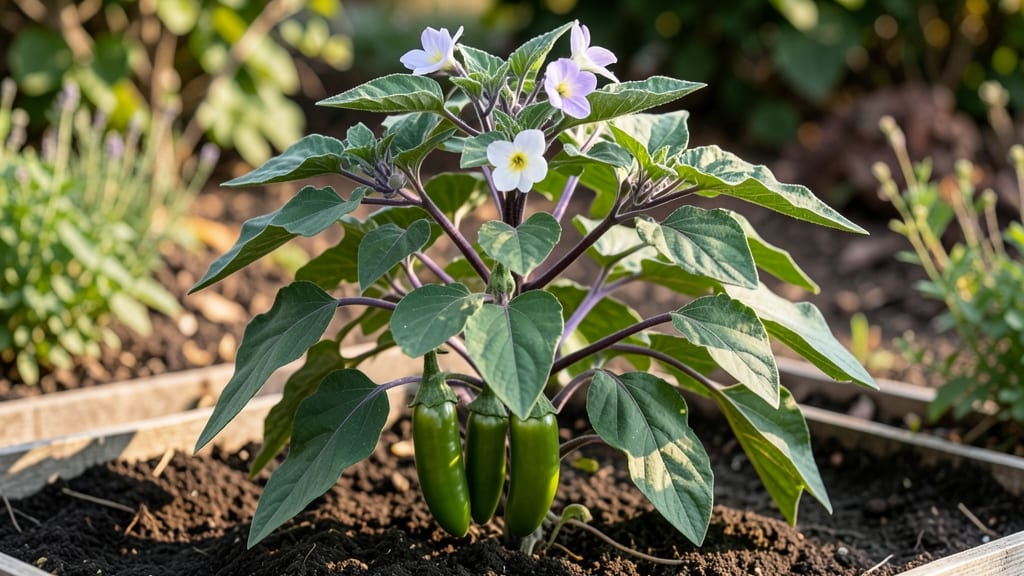
Growing Green Knight eggplant means purple-striped beauty in even the smallest spaces. 🌱 This heirloom variety thrives in containers, producing glossy, 12-inch fruits with bold purple stripes and creamy centers—far superior to store-bought eggplants in both looks and flavor.
The secret lies in its compact growth habit and surprising disease resistance, making it perfect for beginners or urban gardeners. You'll need 5-gallon containers with drainage, rich but well-draining soil, and a sunny spot getting 6-8 hours of direct light daily.
Start seeds indoors 8-10 weeks before your last frost, or buy sturdy transplants. Water consistently—keeping soil moist but never soggy—since Green Knight eggplants hate wet feet. By midsummer, you'll be harvesting smooth-skinned, tender fruits that stay firm even when overripe.
The flavor is rich and slightly sweet, perfect for grilling, roasting, or stuffing. Prune regularly to encourage bushier growth and more production. This variety handles heat and humidity better than most, but watch for spider mites in dry conditions. Companion plants like basil or marigolds help deter pests naturally.
With the right care, you'll get 10-15 fruits per plant—enough to enjoy fresh all season!
📚 In This Guide
- What you need
- Instructions
- Tips and common mistakes
- Wrapping up and next steps
What you need
- ● Green Knight eggplant seeds (or young seedlings from a nursery) – 3-5 seeds for a small container, 5-7 seeds for larger pots.
- ● Containers – 5-gallon pots or larger (minimum 12" deep) with drainage holes. Fabric grow bags also work!
- ● High-quality potting mix – Well-draining, organic mix (avoid garden soil—it compacts!). Look for blends labeled for vegetables or tomatoes.
- ● Slow-release fertilizer – Balanced 10-10-10 or 5-10-10 (follow package rates for containers).
- ● Compost or worm castings – 1 cup per pot for extra nutrients.
- ● Watering can or hose with a gentle nozzle – Eggplants hate soggy roots!
- ○ Plant supports (optional but helpful) – Sturdy stakes or cages (2-3 ft tall) as plants grow tall.
- ● Warmth – Green Knight thrives in 70–90°F (21–32°C). Start seeds indoors 8–10 weeks before last frost or buy transplants.
- ● Sunlight – Full sun (6+ hours daily). A south-facing window or grow lights work for seedlings.
- ● pH-balanced soil – Aim for 6.0–6.8 pH (test with a soil kit if unsure).
- ● Patience – Eggplants take 70–90 days to mature! Plan ahead for a summer harvest.
- ○ Use black plastic mulch (optional) to warm soil and suppress weeds—eggplants love heat!
- ● If growing in containers, rotate pots weekly for even sun exposure.
- ● Check for aphids or spider mites early—neem oil helps if pests appear.
Step-by-Step instructions for growing Green Knight eggplant in containers
Here's how to coax this striking purple-striped variety into thriving plants—perfect for patios and small spaces.
🌱 Step 1: Start Seeds Indoors 8-10 Weeks Before Last Frost
Fill 4-inch biodegradable pots with sterile seed-starting mix—this variety's large seeds need room to develop strong roots. Plant 2 seeds per pot at ½-inch depth, as deeper planting delays germination. Press them gently into the mix, then mist with lukewarm water until the surface feels damp but not soggy.
Cover the pots with a humidity dome and place them in a warm spot (75-85°F)—a seedling heat mat works wonders. Green Knight seeds typically sprout in 7-14 days, but don't be surprised if they take longer in cooler conditions. Once seedlings emerge, remove the dome immediately to prevent damping-off, which can wipe out tender sprouts overnight.
☀️ Step 2: Provide Strong Light and Fertility After Germination
The instant those first true leaves appear (they'll look like tiny eggplant versions of the adult plant), move seedlings under grow lights for 14-16 hours daily. Green Knight thrives on intensity—without enough light, stems stretch weakly and leaves pale. Position lights 2-3 inches above the plants, then raise them gradually as seedlings grow.
Feed with diluted fish emulsion (5-5-5) when the first true leaves unfurl. This variety loves nutrients but hates salt buildup, so always water thoroughly after fertilizing. You'll notice stronger stems and deeper purple striations developing within two weeks of consistent feeding.
🪴 Step 3: Transplant to Final Containers When Strong Enough
Choose 5-gallon containers with drainage holes—Green Knight's sprawling roots need depth. Fill with well-draining potting mix amended with compost, then transplant seedlings when they're 4-6 inches tall with 4-5 leaves. Dig a hole twice as wide as the root ball to encourage outward growth, then backfill with soil.
Water deeply after transplanting, then let the top inch dry before watering again. Place containers in full sun (6+ hours daily)—this variety's bold stripes develop most intensely with maximum sunlight. If your patio gets afternoon shade, supplement with a reflective surface beneath the pots to boost light exposure.
✂️ Step 4: Prune and Support for Maximum Yield
Green Knight benefits from pruning side shoots to direct energy toward fruit production. Remove any shoots growing below the first flower cluster—these compete with your main harvest. Install sturdy cages or stakes at planting, as the plants can reach 3-4 feet tall and become top-heavy with fruit.
Pinch off the first few flowers if your plant looks leggy—this forces energy into stronger stems. Once flowers appear, hand-pollinate by gently shaking plants daily (or use a small brush to transfer pollen). You'll know pollination worked when flowers drop and small eggplants form—harvest when they reach 6-8 inches long for peak flavor.
💧 Step 5: Maintain Consistent Water and Soil Health
Water deeply 2-3 times weekly, aiming for 1-2 gallons per container—this variety's large fruit demands steady moisture. Let the top 2 inches of soil dry between waterings to prevent blossom-end rot. Mulch with 2 inches of straw to retain moisture and keep roots cool.
Fertilize every 2-3 weeks with balanced organic fertilizer (10-10-10) during flowering and fruiting. You'll see it in the results: glossy leaves, vibrant purple stripes, and heavy yields of 10-15 eggplants per plant. Watch for Japanese beetles—they adore Green Knight's glossy foliage—so have neem oil spray ready for early intervention.
Tips & tricks for growing stunning purple-striped eggplants
These insider secrets will help you transform your patio into a vibrant eggplant garden with minimal fuss.
Germination Trick: Don't rush to remove weak seedlings after germination—wait until both seeds in a pot have sprouted and you can clearly identify the stronger one. The weaker seedling often falls over on its own within 24 hours, saving you the trouble of careful thinning. This variety's large seeds sometimes produce two sturdy sprouts, so check before pulling anything.
Lighting Secret: The 14-16 hours of daily light in Step 2 is non-negotiable for those dramatic purple stripes to develop fully. If your grow lights aren't LED, consider upgrading—they're more energy-efficient and produce less heat, which prevents leaf scorch. Position your lights just above the tallest seedlings to maintain the 2-3 inch distance as plants grow. I've seen striations fade dramatically when light intensity drops below 14 hours.
Transplanting Hack: When transplanting to 5-gallon containers, mix a handful of worm castings into the bottom third of your potting mix. This gives roots an instant nutrient boost and helps prevent transplant shock. The extra organic matter also improves moisture retention, which is crucial for Green Knight's heavy fruit production. Don't skip this—your plants will reward you with deeper color and more vigorous growth.
Pest Prevention: Japanese beetles are the arch-nemesis of Green Knight's glossy leaves. The moment you spot them, spray with neem oil mixed at a 1:10 ratio with water. Apply in the early morning when bees are less active. I've found that a preventive spray every 10 days during peak beetle season (late summer) keeps them at bay completely. The key is consistency—don't wait for an infestation to start treating.
Pro Tips for Green Knight Eggplant
- These insider secrets will help you transform your patio into a vibrant eggplant garden with minimal fuss.
- Germination Trick: Don't rush to remove weak seedlings after germination—wait until both seeds in a pot have sprouted...
- Lighting Secret: The 14-16 hours of daily light in Step 2 is non-negotiable for those dramatic purple stripes to deve...
Frequently asked questions
Got questions about growing the stunning Green Knight eggplant? You’re not alone! Here are some of the most common queries—plus quick, practical answers to help your purple-striped beauties thrive.
How long does it take for Green Knight eggplant to produce fruit?
The Green Knight eggplant typically takes 80–90 days from transplanting to harvest, depending on your climate. Start seeds indoors 6–8 weeks before your last frost for a head start. In warm regions, you might see fruit sooner—just keep an eye on those purple-striped beauties!
Can I grow Green Knight eggplant in containers?
This variety is perfect for containers—just use a pot at least 12–15 inches deep with drainage holes. A 5-gallon container works well for one plant. Ensure it gets full sun (6+ hours/day) and rich, well-draining soil. Pro tip: Prune lower leaves to encourage upward growth in tight spaces!
Why are my Green Knight eggplant flowers falling off?
Flower drop is often due to stress—think temperature swings, underwatering, or poor pollination. Hand-pollinate by gently shaking plants on warm, sunny days. Also, ensure consistent moisture (not soggy soil) and avoid over-fertilizing with nitrogen. Quick fix: A light spray of water on flowers can mimic rain and encourage pollinators!
What’s the best way to tell when Green Knight eggplants are ripe?
Ripe Green Knight eggplants are deep purple with glossy skin and a slight give when pressed (like a soft tennis ball). Avoid harvesting too early—they’ll be seedy and bitter. Timing tip: Check every 3–5 days in peak season to snag them at peak flavor!
Can I substitute Green Knight eggplant with another variety?
If you can’t find Green Knight, try ‘Ichiban,’ ‘Rosa Bianca,’ or ‘Fairy Tale’ for similar compact growth and container-friendly traits. However, Green Knight’s striking stripes are unique! For a purple heirloom alternative, ‘Black Beauty’ is a classic, though it’s larger and needs more space.
Wrapping up and next steps
Growing the Green Knight eggplant is a rewarding journey—whether you're a container gardener or a space-conscious urban farmer. This striking variety brings bold flavors and vibrant aesthetics to your harvest, proving that even small gardens can yield big results. 🌱
Now that you’re armed with the right tips, take the next step—order your seeds, prep your containers, and watch your garden transform into a purple-streaked paradise. Happy planting!